Egypt Itinerary: 10 Days from Cairo to Abu Simbel
The nine entrance tickets on this 10-day Nile route, from Giza to Abu Simbel, add up to 4,970 Egyptian pounds (EGP) for a foreign adult, according to the fares of Egypt’s Ministry of Tourism and Antiquities; the Grand Egyptian Museum and the inside of the pyramids are extra.
By Ander BilbaoOwn photosPublished 16 min read
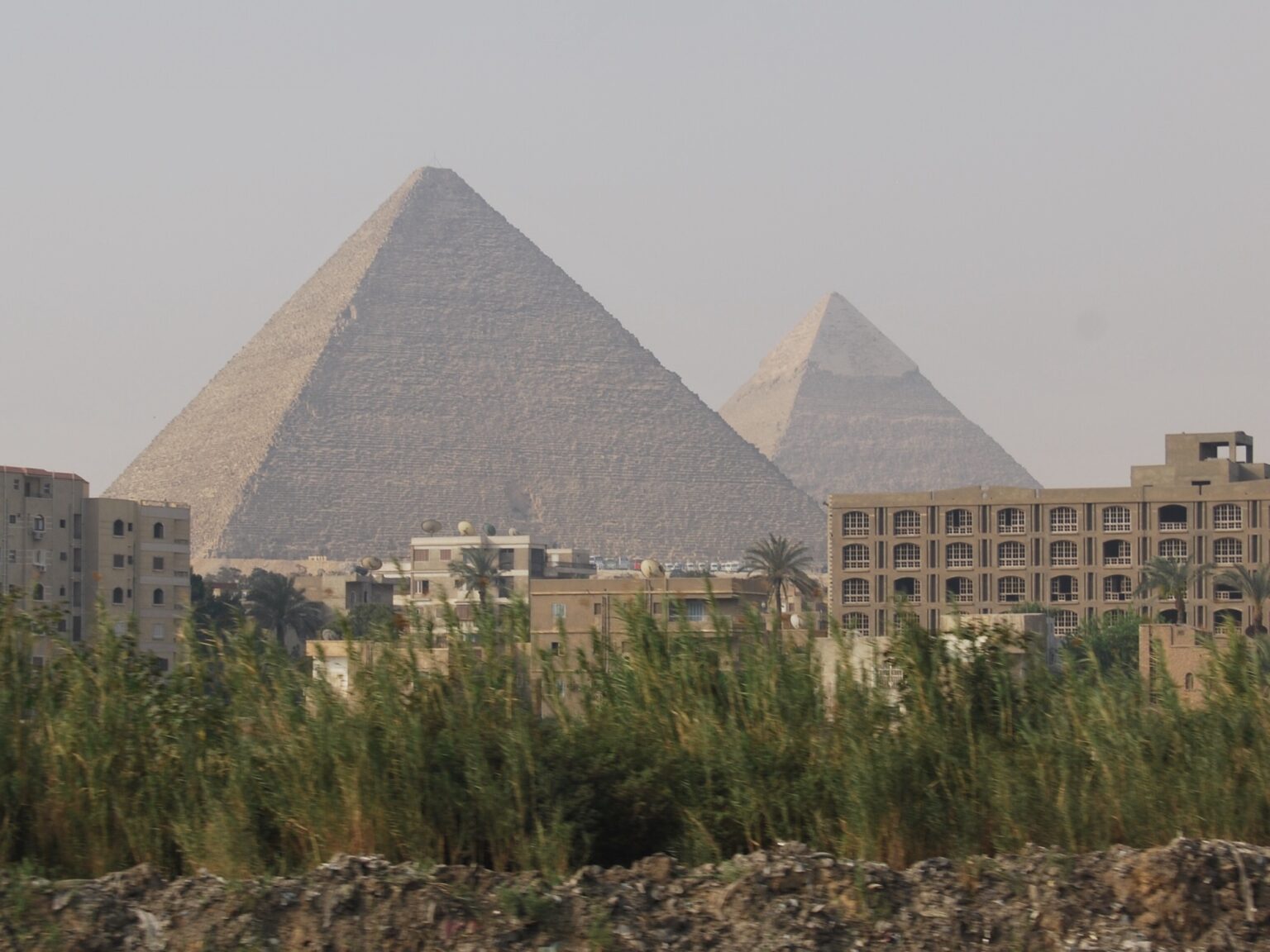
Egypt in 10 days, in short
- Route
- 3 nights in Cairo, 3 in Luxor, 2 on board to Aswan and Abu Simbel on day 9
- Visa
- Depends on your nationality; the official single-entry tourist e-Visa costs US$30 and must be requested at least 7 days before departure; check the fee before paying
- Tickets
- EGP 4,970 for the nine, per foreign adult; with a student card, EGP 2,480
- Opening hours
- Karnak, the Valley of the Kings and Abu Simbel, 6:00 to 17:00; Luxor Temple, until 20:00
- When to go
- November to February: average maximums of 23 to 29 °C in Luxor
- Luggage
- No drones and no binoculars: they are confiscated and not returned
- Photos
- For personal use, free and without a permit in public places; at the GEM, no tripod or flash; photographing military installations, bridges and canals is forbidden
Data checked on 16 Nov 2026 with Egypt’s Ministry of Tourism and Antiquities (tickets, opening hours and photography rules), the Grand Egyptian Museum (photos in the museum), Egypt’s official e-Visa portal (visa), Spain’s Ministry of Foreign Affairs (drones, binoculars and forbidden photos) and the World Meteorological Organization (climate). The ticket totals and the split of nights are my own calculation and suggestion.
My own photos, taken between 4 and 9 April 2010 according to the EXIF data, which does not record the location; those that keep the camera model were taken with a Nikon D60 and a Nikkor 18-55 mm lens. Opening hours, prices and requirements come from official websites, with the source under each entry and the full list at the end. About me
| Site | Ticket | Day |
|---|---|---|
| 01Pyramids of Giza and the Sphinx | EGP 700; inside the Great Pyramid, EGP 1,000 more | Day 1 |
| 02Grand Egyptian Museum (GEM) | On its official ticketing website | Day 2 |
| 03Luxor Temple | EGP 500 | Day 4 |
| 04Valley of the Kings, Hatshepsut and Medinet Habu | EGP 750, 440 and 230 | Day 5 |
| 05Karnak | EGP 600 | Day 6 |
| 06Cruise: Edfu and Kom Ombo | EGP 550 and 450 | Days 7 and 8 |
| 07Abu Simbel | EGP 750; on 22 February and 22 October, EGP 1,200 | Day 9 |
| ·Before you plan | ||
| ·10-day Nile route, day by day | ||
| ·History in 3 facts: Giza and Aswan | ||
| ·Logistics: visa, tickets, transport, health, weather and money | ||
| ·Photography in Egypt: rules and gear | ||
| ·Sources | ||
Pyramids of Giza and the Sphinx: day 1, at opening time
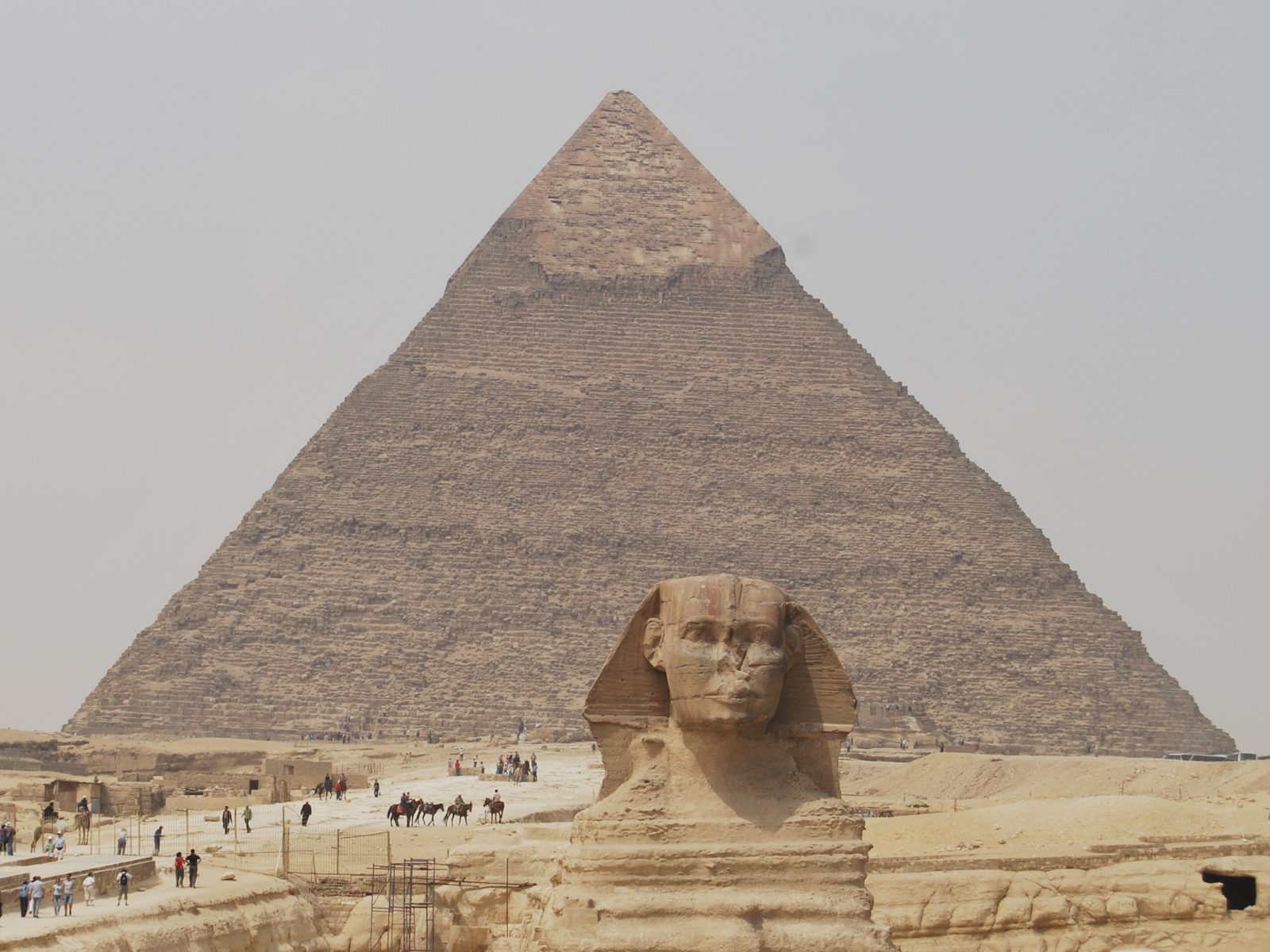
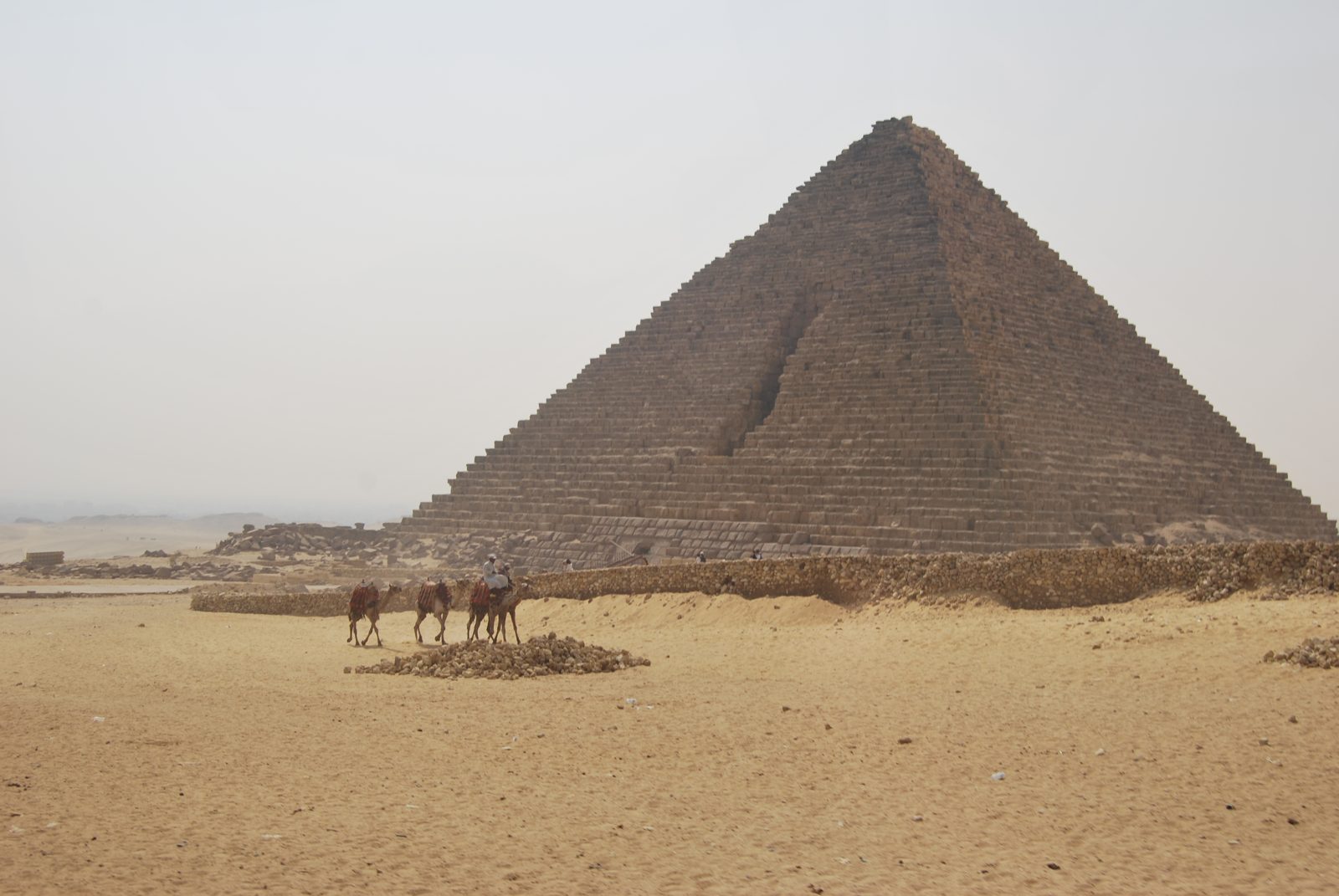
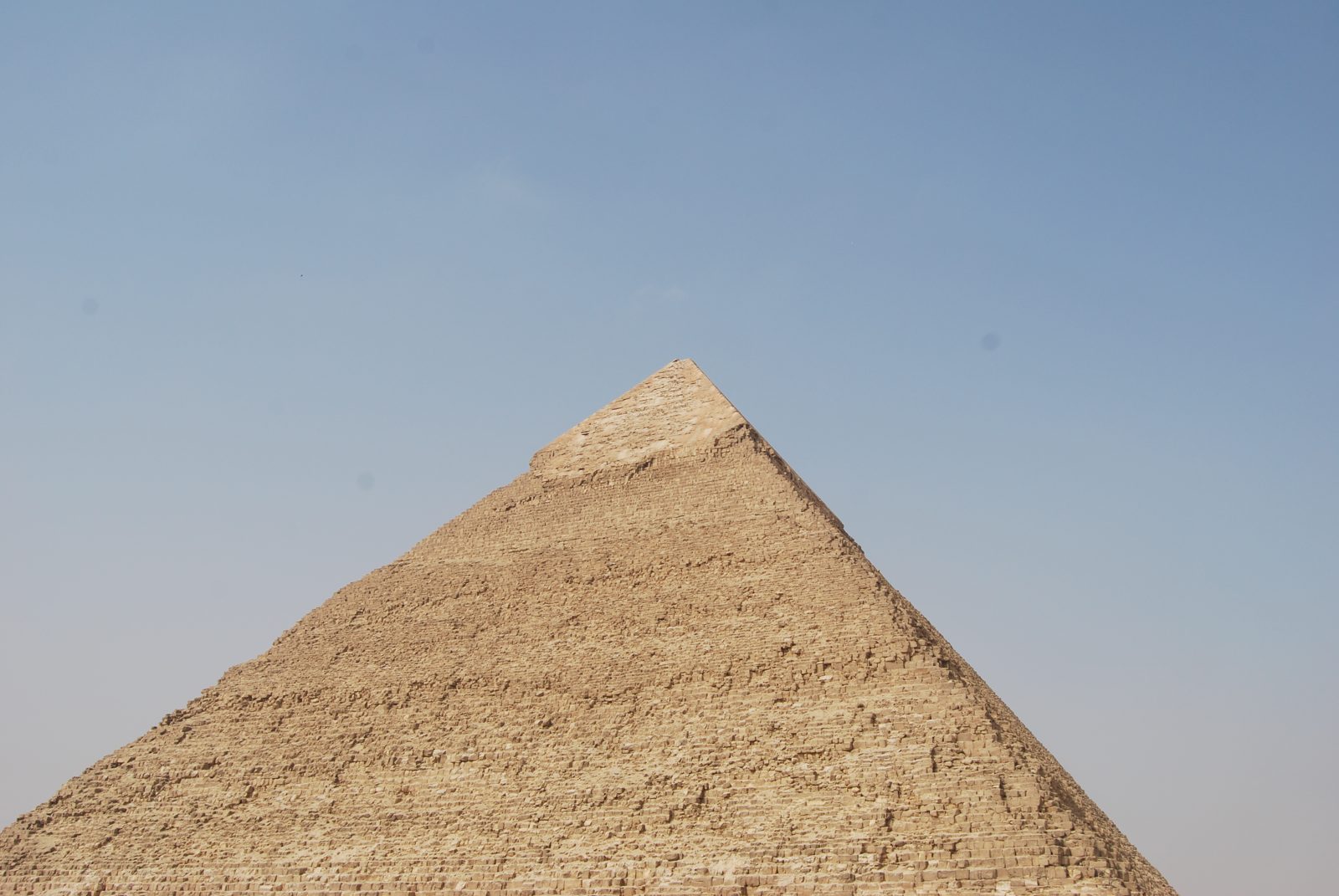
The three great pyramids are the tombs of Khufu, his son Khafre and his grandson Menkaure, kings of the 4th Dynasty. Khufu’s, the Great Pyramid, was originally 146.5 metres high and was the tallest structure in the world for 3,800 years.
The ticket to the plateau does not include the inside of any pyramid: each one is paid for separately.
The classic compositions, the Sphinx against Khafre or the three pyramids in a diagonal, are taken from the areas open to visitors. A person in the foreground gives the scale (my own advice).
As the sun climbs, the light hardens and haze cuts contrast: the first hours give better light (my own advice). Also compare the closing time with the sunset time on the day of your visit (my own advice).
- Price
- Plateau, EGP 700 (students, EGP 350). Extra: Great Pyramid, EGP 1,000; Khafre and Menkaure, EGP 280 each.
- Opening hours
- 8:00 to 16:00, according to the plateau page; the fare list and the Great Pyramid page give 7:00 to 17:00. Plan with the shorter one (my own advice).
- Getting there
- From Cairo, by car with a driver, as Spain’s Foreign Ministry recommends; it advises against driving at night.
Sources: Ministry of Tourism and Antiquities, pages on the Giza plateau and the Great Pyramid, and fare list of November 2024 (Khafre and Menkaure); Spain’s Ministry of Foreign Affairs, travel advice · checked on 16 Nov 2026.
Grand Egyptian Museum (GEM): Tutankhamun’s mask
It was inaugurated on 1 November 2025, after the partial opening of the Grand Stairs in 2023 and of the main galleries in 2024. The museum describes itself as the largest in the world dedicated to a single civilisation.
The ticket includes the Tutankhamun Galleries, home to his golden funerary mask, the main galleries, the Grand Hall, the Grand Stairs and Khufu’s Boats Museum.
- Price
- By nationality, on its official ticketing website; the museum is not responsible for tickets bought on other platforms.
- Opening hours
- Galleries, 9:00 to 18:00; on Wednesdays and Saturdays, until 21:00. Last entry one hour before closing.
- Photos
- For personal use, except in designated areas of the Tutankhamun Galleries. No flash, tripods, monopods, selfie sticks or drones.
Sources: Grand Egyptian Museum, museum story, mask entry and official ticketing website · checked on 16 Nov 2026.
Luxor Temple: open until 20:00
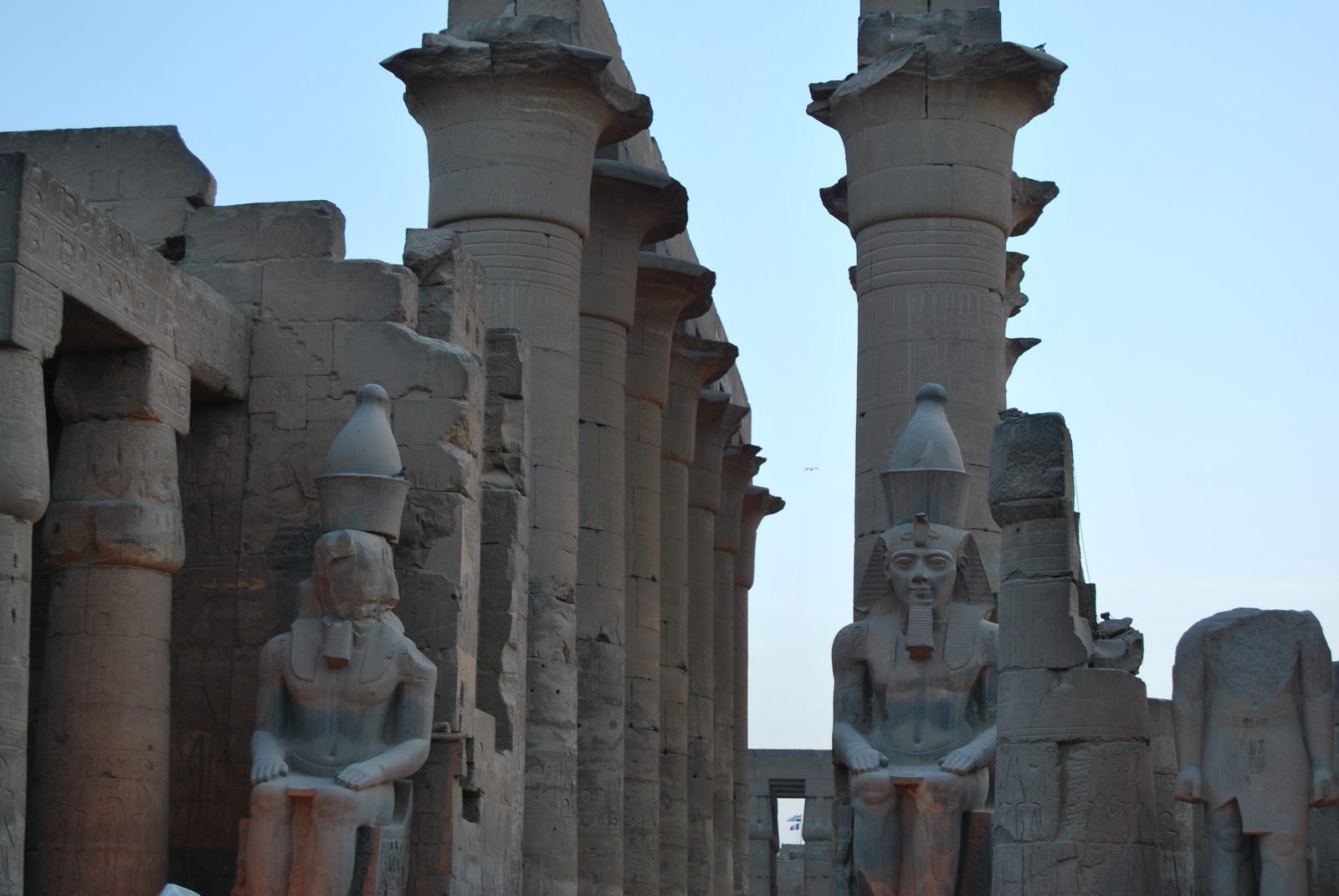
It lies about 3 km south of Karnak, to which it is linked by a processional way lined with sphinxes. Its core was built by Amenhotep III, and Ramesses II added the great pylon, with colossal statues and a pair of 25-metre obelisks.
Only one of those obelisks is still in place: the other has stood in the Place de la Concorde in Paris since 1836.
As it closes at 20:00, you can arrive in the last light of the afternoon and stay on until the blue hour (my own advice).
- Price
- EGP 500 (students, EGP 250).
- Opening hours
- 6:00 to 20:00, every day.
- Avenue of Sphinxes
- To walk it you need the Karnak and Luxor Temple tickets.
Sources: Ministry of Tourism and Antiquities, Luxor Temple page and fare list of November 2024 (Avenue of Sphinxes) · checked on 16 Nov 2026.
Luxor’s west bank: Valley of the Kings, Hatshepsut and Medinet Habu
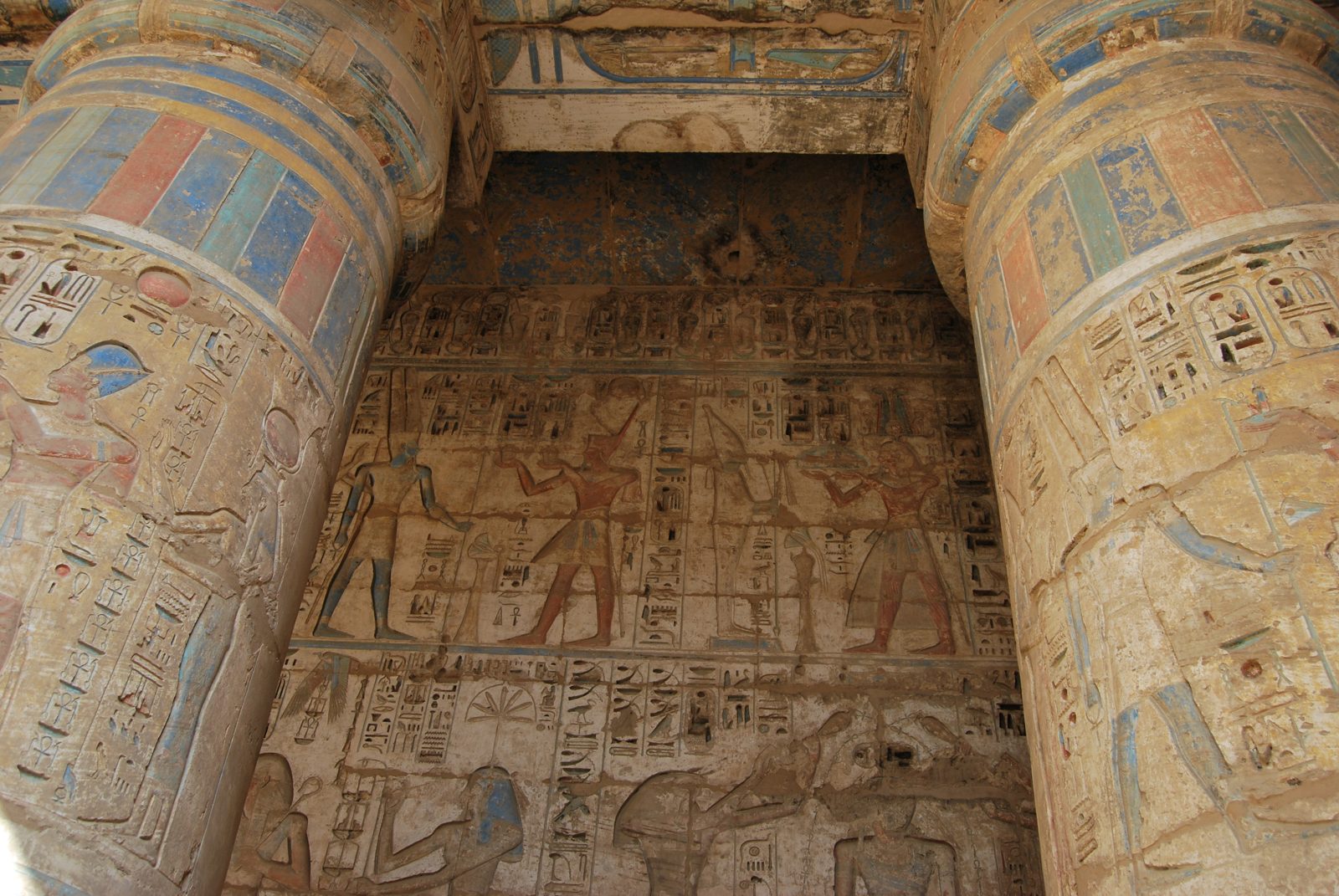
The kings of the New Kingdom were buried in the Valley of the Kings. It holds more than sixty tombs and another twenty unfinished ones.
The Temple of Hatshepsut, at Deir el-Bahari, has three levels and lies directly opposite Karnak, across the Nile. Medinet Habu is the mortuary temple of Ramesses III, which the Ministry regards as an architectural masterpiece for its beauty and good state of preservation.
The Valley of the Kings page does not detail the photography rules inside the tombs: before paying, ask at the ticket office which tombs are open that day and what you may photograph.
- Price
- Valley of the Kings, EGP 750; Hatshepsut, EGP 440; Medinet Habu, EGP 230. Students: 375, 220 and 110.
- Separate tombs
- Tutankhamun, EGP 700; Ramesses V and VI, EGP 220; Seti I, EGP 2,000. The last two come from the November 2024 fare list: confirm them at the ticket office.
- Opening hours
- All three, 6:00 to 17:00.
- Getting there
- Across the Nile from Luxor, first thing in the morning (my own advice).
Sources: Ministry of Tourism and Antiquities, pages on the Valley of the Kings, the Temple of Hatshepsut and Medinet Habu, and fare list of November 2024 (separate tombs) · checked on 16 Nov 2026.
Karnak: the hypostyle hall of 134 columns
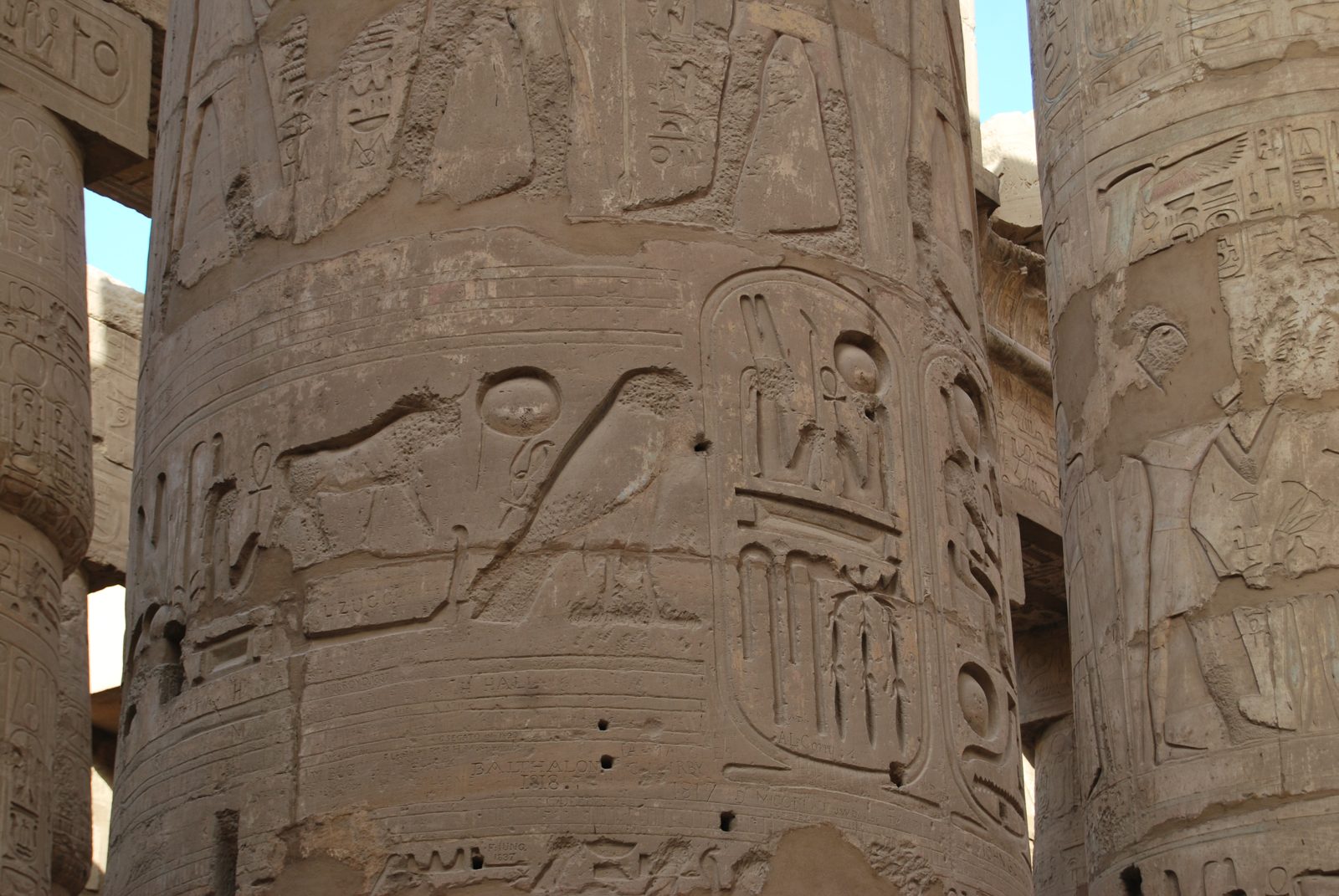
It was the great temple of Amun at Thebes, on the east bank of the Nile. Its Great Hypostyle Hall has 134 columns: the twelve central ones are 21 metres tall and the rest, 15.
Two obelisks stand nearby; the larger, raised by Hatshepsut, is almost 30 metres high and weighs over 300 tonnes. The sacred lake has also survived inside the precinct.
Arrive at opening time for the soft early light and set aside the whole morning (my own advice).
- Price
- EGP 600 (students, EGP 300), including the Open Air Museum. Temple of Mut, EGP 200 extra.
- Opening hours
- 6:00 to 17:00, every day.
Source: Ministry of Tourism and Antiquities, Karnak page · checked on 16 Nov 2026.
Cruise from Luxor to Aswan: Edfu and Kom Ombo
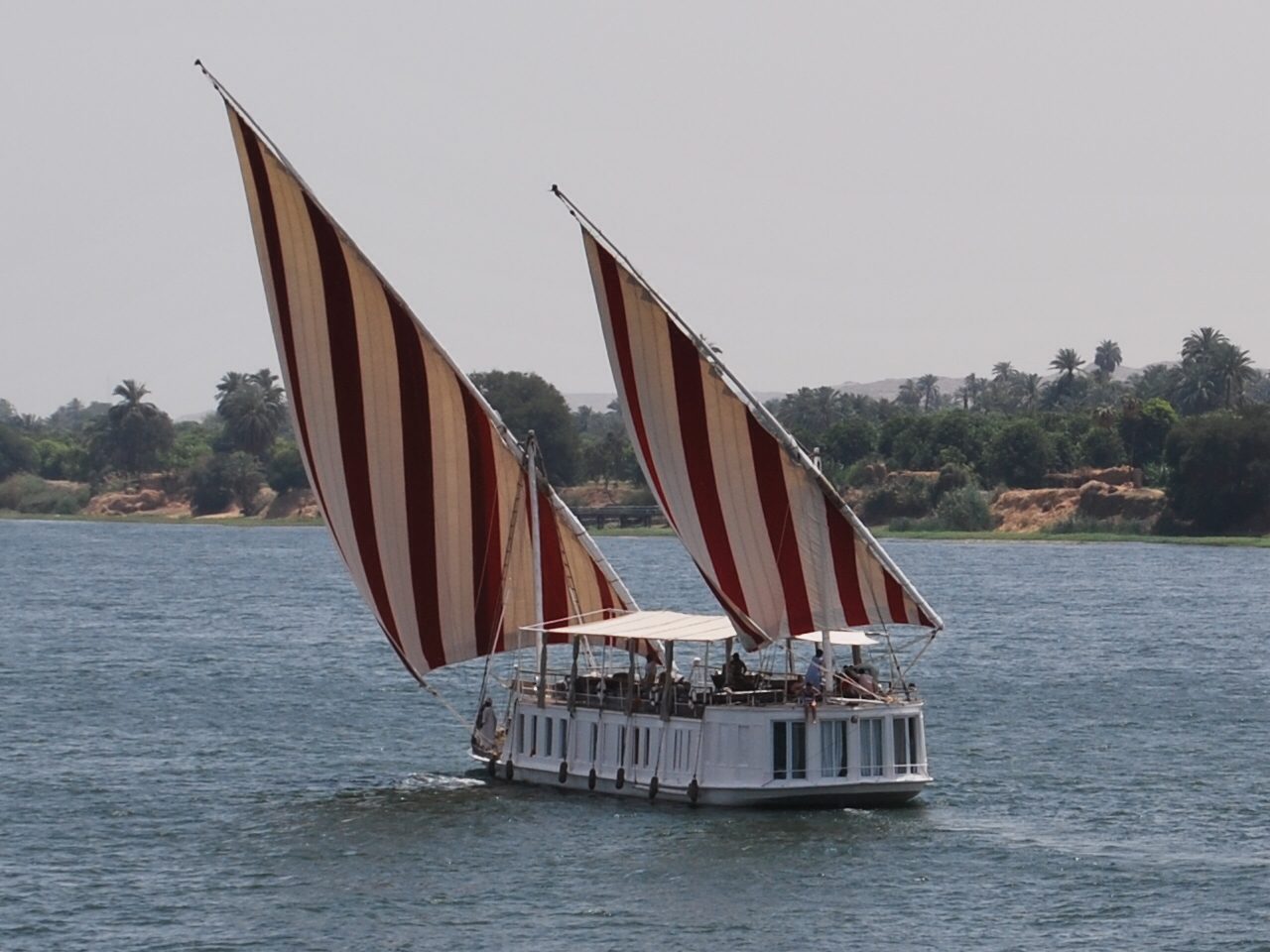
This route allows for two nights on board, those of days 7 and 8, and arrival in Aswan on day 9. Each operator sets its own stops and duration: confirm them before booking and, if the journey is longer, adjust the following days.
Besides the big cruise ships there are dahabiyas, the traditional Nile boats. Ask whether they sail, or rely on a tug or an auxiliary engine.
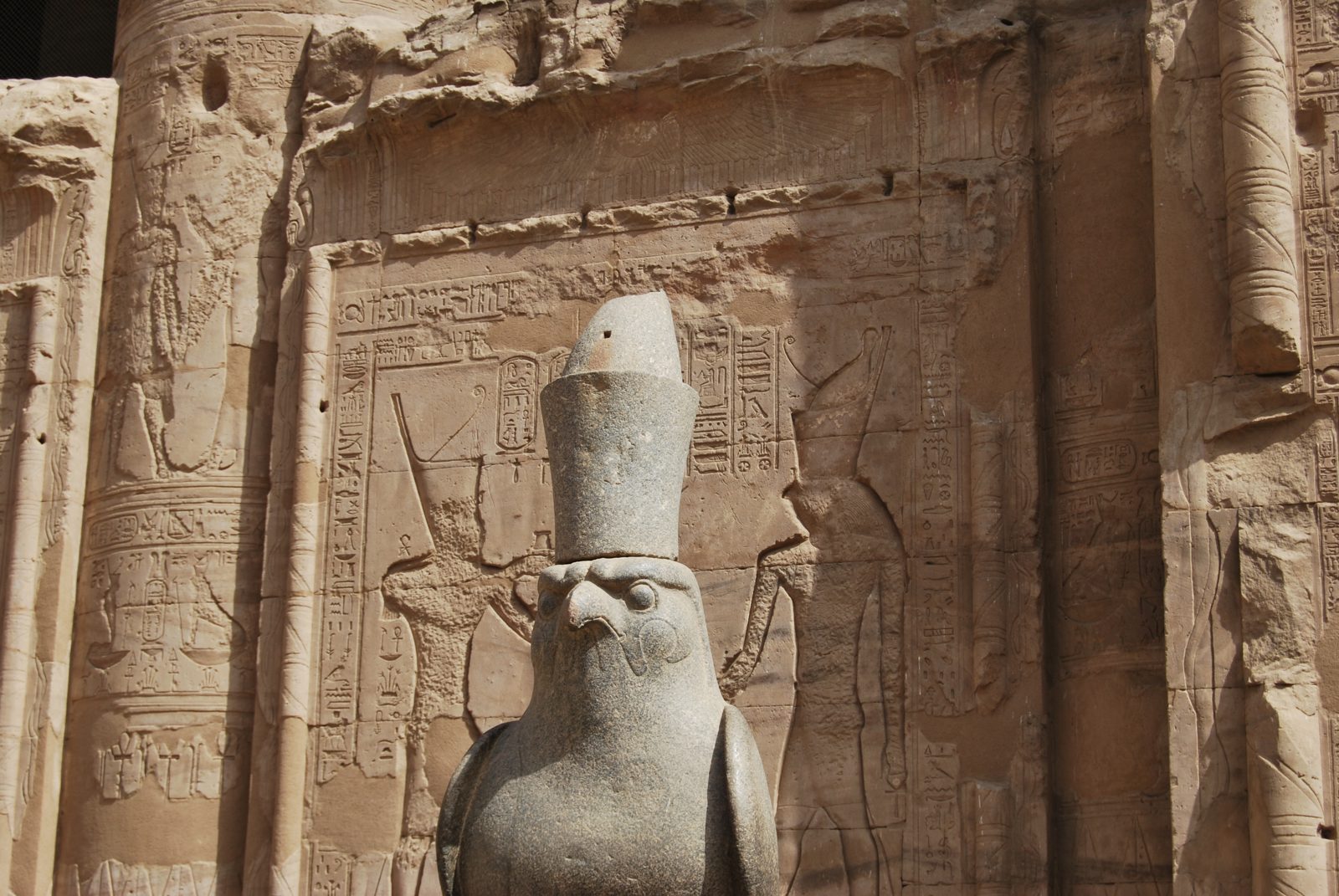
Edfu, on the west bank, is dedicated to Horus, and the Ministry counts it among the most complete temples of ancient Egypt. Kom Ombo is dedicated to two gods, the crocodile Sobek and the falcon Har-wer, which is why it has two parallel axes, one for each.
If your boat stops at Gebel el-Silsila, you will see sandstone quarries on both banks: more than a hundred were worked to build temples.
Spain’s Foreign Ministry notes that there have been accidents involving Nile cruise boats and advises asking the agency about the condition of the boat, its safety measures and the crew’s qualifications. There is not usually a doctor on board, although there is a first-aid kit, and along the Nile route there are only hospitals, with limited guarantees, in Luxor and Aswan.
- Price
- Edfu, EGP 550; Kom Ombo, EGP 450; Gebel el-Silsila, EGP 100. Students: 275, 225 and 50.
- Opening hours
- Edfu, 7:00 to 17:00, and from 6:00 on Sundays and Wednesdays; Kom Ombo, 7:00 to 21:00; Gebel el-Silsila, 7:00 to 16:00.
- Health
- On the Nile, do not bathe or walk barefoot in areas with bilharzia.
Sources: Ministry of Tourism and Antiquities, pages on Edfu, Kom Ombo and Gebel el-Silsila; Spain’s Ministry of Foreign Affairs, travel advice (accidents and bilharzia) and Spanish Embassy in Cairo, health (doctor and hospitals) · checked on 16 Nov 2026.
Abu Simbel: the colossi of Ramesses II
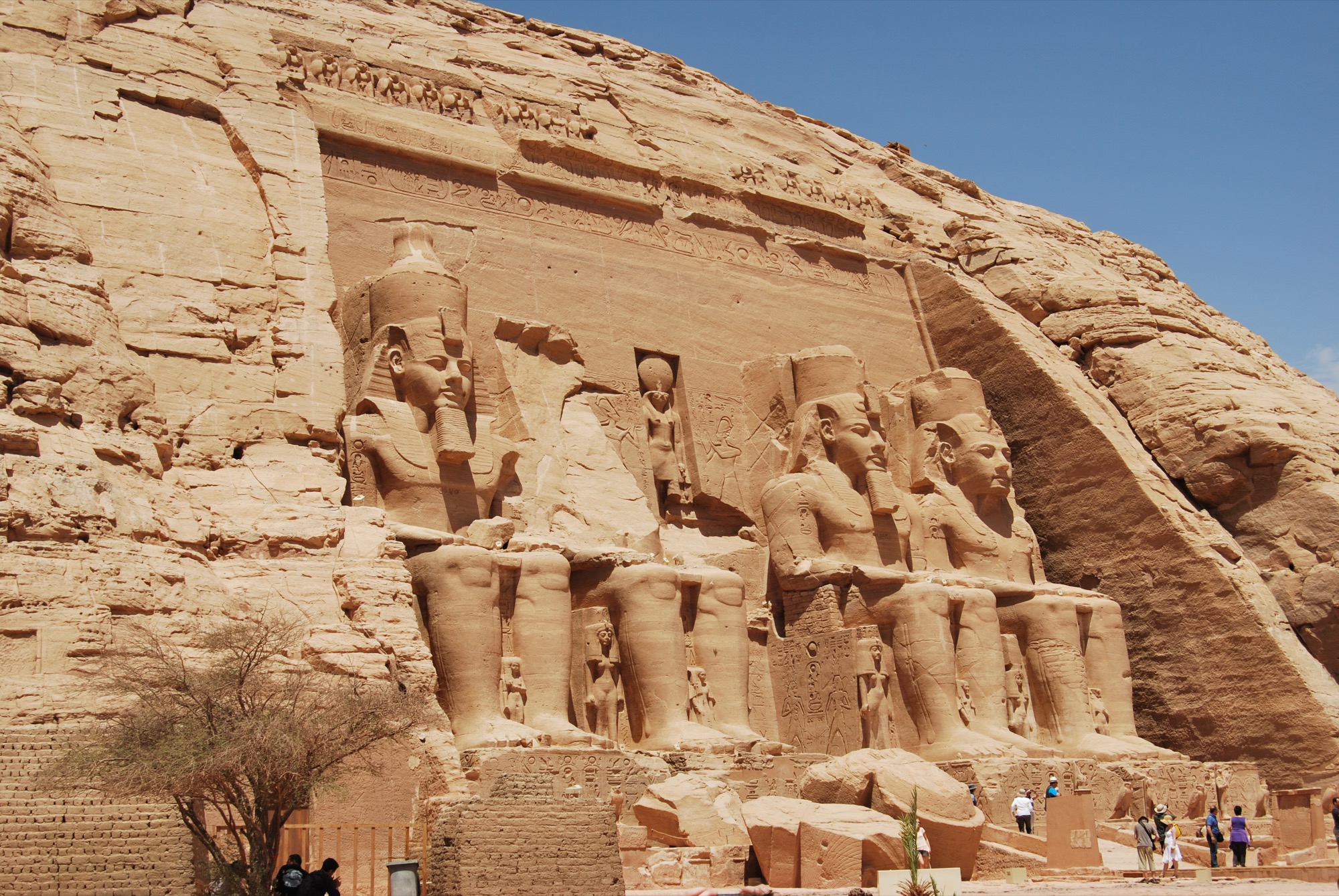
It lies in Nubia, on the west bank of Lake Nasser, about 290 km south of Aswan. Ramesses II had the Great Temple cut into the rock around 1264 BC, and four seated colossi dominate its façade.
On 22 February and 22 October, the sun enters the temple, crosses the main hall and lights up the statues at the back. On those two days the ticket costs more.
Both temples were moved in 1968, because the Aswan High Dam threatened to submerge them, in an international operation led by UNESCO.
- Price
- EGP 750 (students, EGP 375); on 22 February and 22 October, EGP 1,200 (students, EGP 600).
- Opening hours
- 6:00 to 17:00, every day.
- Getting there
- From Aswan, by road or by air. Spain’s Foreign Ministry recommends travelling with an agency and keeping road journeys to a minimum.
Sources: Ministry of Tourism and Antiquities, Abu Simbel page and guide to Aswan of July 2024 (distance); Spain’s Ministry of Foreign Affairs, travel advice · checked on 16 Nov 2026.
Before you plan
- Visa
- Check the rules for your nationality; the e-Visa must be requested at least 7 days before departure.
- Giza
- The official opening hours do not agree: count on 8:00 to 16:00.
- Cruise
- Nights and stops depend on the operator: confirm them before booking flights.
- Luggage
- No drone and no binoculars: they are confiscated and not returned.
- Money
- At most EGP 5,000 when entering or leaving; carry cash as well as a card.
Summary of the entries and of Logistics.
10-day Nile route, day by day
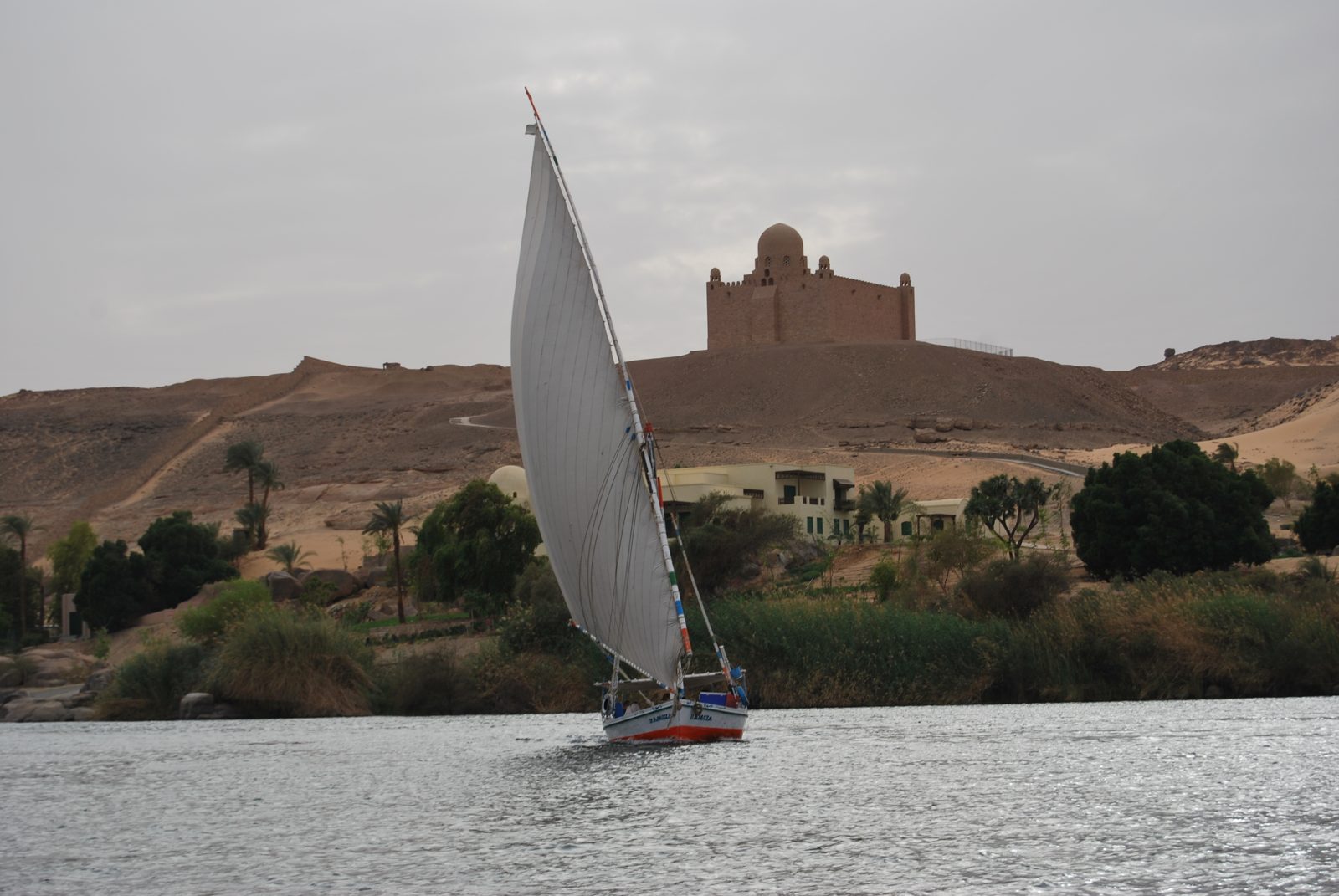
Three nights in Cairo, three in Luxor, two on board and Abu Simbel on day 9. The split and the times are my own suggestion, matched to each site’s opening hours; the number takes you to the entry.
Day 1 · Giza
- 8:0001Pyramids and SphinxAt the plateau’s opening time, by car with a driver from Cairo.
Day 2 · Grand Egyptian Museum
- 9:0002Tutankhamun Galleries and main galleriesOpen until 21:00 on Wednesdays and Saturdays.
Day 3 · Coptic Cairo and Khan el-Khalili
- AMCoptic Cairo
- PMKhan el-Khalili bazaar
- SunsetFelucca ride on the Nile
Day 4 · Flight to Luxor and Luxor Temple
- AMFlight from Cairo to LuxorTimetables and fares on each airline’s website.
- PM03Luxor TempleOpen until 20:00.
Day 5 · West bank
Day 6 · Karnak
- 6:0005KarnakThe whole morning.
- PMFree time in Luxor
Day 7 · Boarding and Edfu
- AMBoarding in LuxorTime and stops depend on the operator.
- Stop06Edfu
Day 9 · Aswan and Abu Simbel
- AMDisembarking in Aswan
- Then07Abu SimbelAbout 290 km away; closes at 17:00.
Day 10 · Home
- AMFlight from Aswan to CairoAnd your connection home.
- Extra day02Back to the GEMFor any galleries you missed.
Opening hours: Ministry of Tourism and Antiquities pages and the GEM’s official website, cited in each entry · checked on 16 Nov 2026.
History in 3 facts: Giza and Aswan
The Giza entry already says who is buried in each pyramid and how tall Khufu’s was. Three facts are missing:
- Khafre’s pyramid: 136.4 metres today, 143.5 originally. Casing stones still cover its top third, although the pyramidion and part of the tip are missing. It stands on bedrock about 10 metres higher than Khufu’s, which makes it look taller. (Wikipedia)
- His reign has no firm date. There is no agreement: some authors place it between 2558 and 2532 BC. (Wikipedia)
- A rose a day in Aswan. Aga Khan III died in 1957 and was first buried in Switzerland; on 20 February 1959 he was reburied in his mausoleum in Aswan, on a hill on the west bank of the Nile. His widow, Begum Om Habibeh, started the custom of placing a red rose on his tomb every day. Since 9 February 2025 his grandson, Aga Khan IV, has also been buried there. (Wikipedia and Al-Ahram Weekly)
Sources: Wikipedia and Al-Ahram Weekly, linked in each fact · checked on 22 Nov 2026.
Logistics: visa, tickets, transport, health, weather and money
Visa and passport
- Visa rules depend on your nationality: check the list of eligible countries on Egypt’s official e-Visa portal and your own government’s travel advice.
- On the portal, apply at least 7 days before departure. A single-entry tourist e-Visa costs US$30 and a multiple-entry one US$65; you pay by card. Check the current fee on the portal before paying: it can change.
- At the port of entry, the portal asks for a passport valid for at least 6 months from the date of arrival, the printed e-Visa, your itinerary and your hotel bookings.
- If your nationality can also get a visa on arrival, check its price and conditions in your government’s travel advice before you go.
Source: Egypt e-Visa portal, Ministry of Interior of Egypt (fees, 7 days’ notice and entry requirements) · checked on 16 Nov 2026.
Tickets: where to buy them and what they cost
- GEM tickets, on its official ticketing website.
- Archaeological sites, at official sales points. Do not pay guards to enter closed areas or to take photographs where it is forbidden.
- With a student card, almost all of them cost half.
Tickets on the route · foreign adultEGP
- Giza plateau
- 700
- Luxor Temple
- 500
- Valley of the Kings
- 750
- Temple of Hatshepsut
- 440
- Medinet Habu
- 230
- Karnak
- 600
- Edfu
- 550
- Kom Ombo
- 450
- Abu Simbel
- 750
- Total for the nine
- 4,970
- Great Pyramid · extra
- 1,000
- Tomb of Tutankhamun · extra
- 700
Sources: the Ministry of Tourism and Antiquities pages cited for each site, and its fare list of November 2024 for the tomb of Tutankhamun · checked on 16 Nov 2026. The total is my own calculation.
Flights and getting around
- Two domestic flights: Cairo to Luxor on day 4, and Aswan to Cairo on day 10. Compare timetables and fares on each airline’s website.
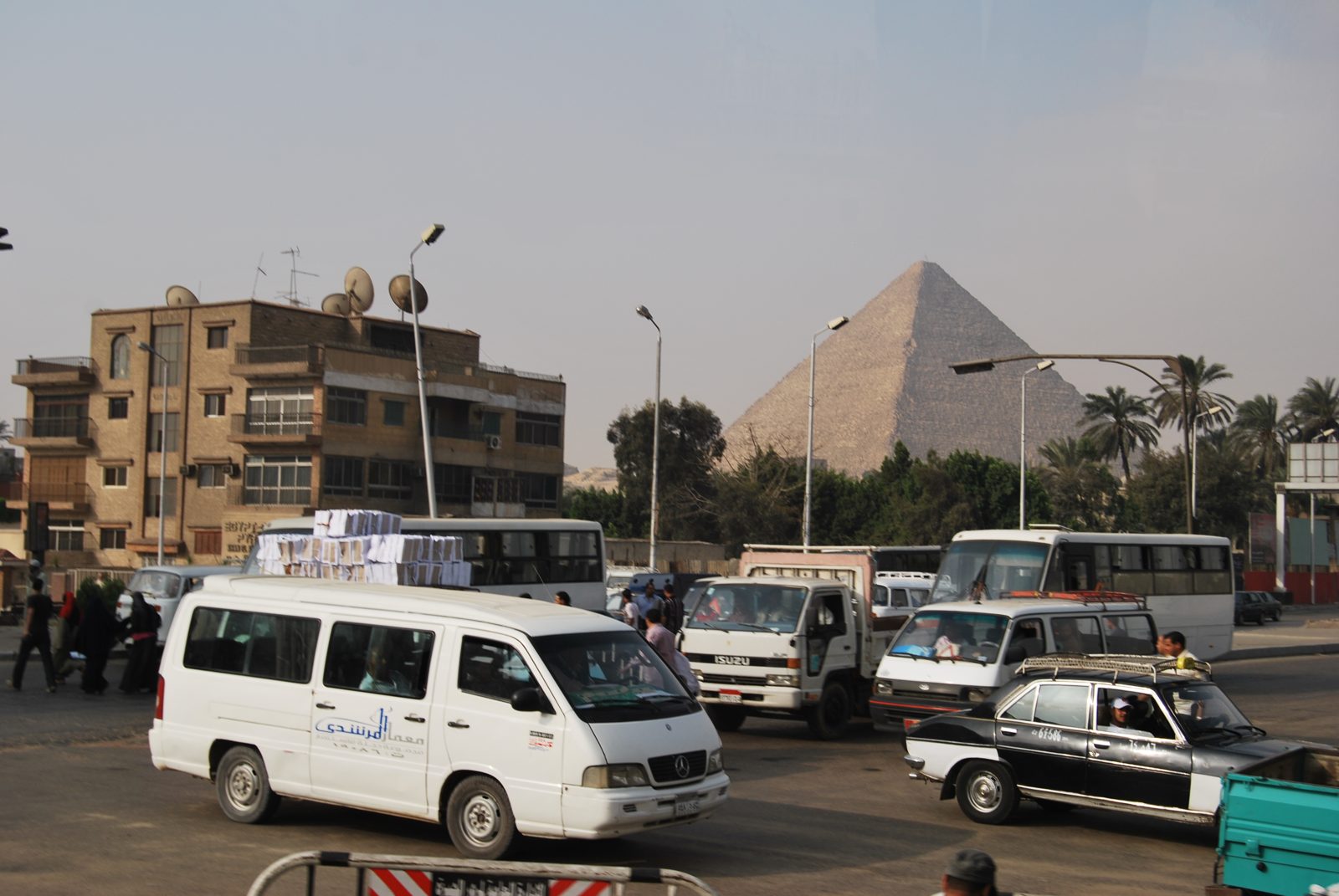
- If you move by car, take one with a driver: Spain’s Foreign Ministry recommends it, strongly advises against driving at night and urges the utmost caution on local buses and minibuses.
- For Abu Simbel, the same ministry recommends a travel agency and keeping road journeys to a minimum: compare the road trip and the flight from Aswan with the agency.
Source: Spain’s Ministry of Foreign Affairs · checked on 16 Nov 2026.
Health and insurance
- Insurance: Spain’s Foreign Ministry strongly recommends it, with medical repatriation: there is no health coverage for foreigners in Egypt and medical centres often ask for payment in advance.
- Water: avoid tap water, including ice.
- Vaccines: a yellow fever certificate is required for travellers aged 9 months or over arriving from countries with a risk of transmission, including airport transits of more than 12 hours there. Make sure your routine vaccines are up to date.
- The Nile: avoid bathing and walking barefoot in areas with bilharzia.
- Emergencies: tourist police, 126; ambulance, 123.
Sources: Spain’s Ministry of Foreign Affairs, Spanish Embassy in Cairo (coverage and repatriation) and US Centers for Disease Control and Prevention (CDC), Egypt (vaccines) · checked on 16 Nov 2026.
When to go
November to February. These are the four months with the lowest average maximum temperatures in Luxor: from 23.0 °C in January to 29.0 °C in November, with an average minimum of 5.9 °C in January.
In June, July and August the average maximum in Luxor is between 41.0 and 41.4 °C. Ramadan follows the lunar calendar and its dates change every year: check them before finalising your trip.
Source: World Meteorological Organization, Luxor, 1981–2010 normals from the Egyptian Meteorological Authority · checked on 16 Nov 2026.
Money, tipping and where to stay
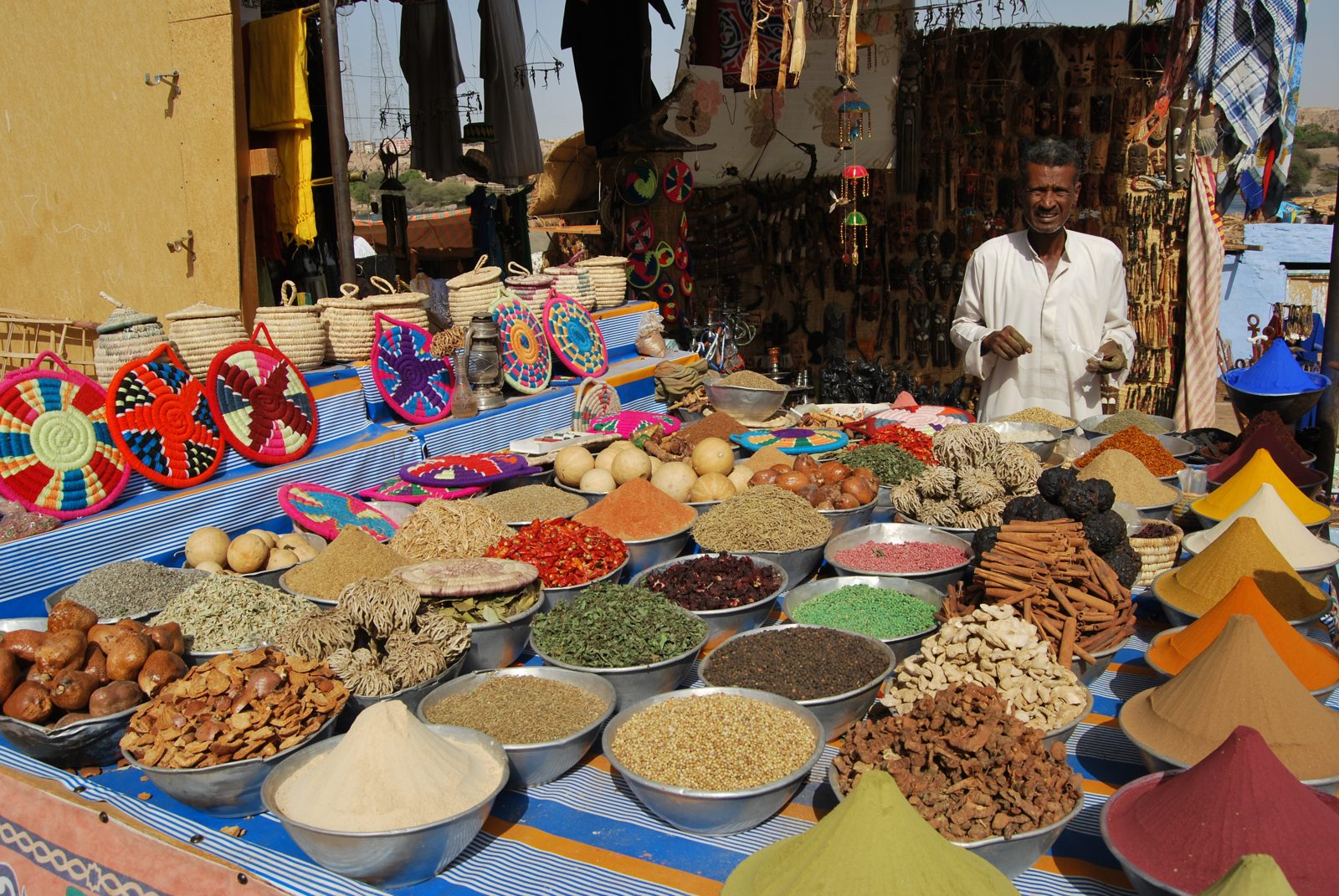
- Currency: Egyptian pound (EGP). You may not enter or leave with more than EGP 5,000, or with more than US$10,000 or its equivalent in another currency.
- Paying: cards are generally accepted, but it is worth carrying Egyptian pounds in cash. Banks and exchange offices ask for your passport.
- Tipping: small notes for guides, drivers or boat staff; ask your agency or accommodation what is customary (my own advice).
- Where to stay: where the rate allows it, book with free cancellation, especially in Luxor and Aswan, in case boat departures change (my own advice).
- Views: in Cairo, a room with a view of the Giza pyramids lets you photograph the plateau from the roof or balcony; weigh up whether the extra cost is worth it (my own advice).
Source: Spain’s Ministry of Foreign Affairs (currency and payment) · checked on 16 Nov 2026.
Photography in Egypt: rules and gear
- Personal use: in public places you may take photographs free of charge and without a permit, with any camera. Professional photography umbrellas, artificial lighting and equipment that blocks public roads do need a permit.
- People: Egyptian citizens only with their written permission; photographing children is prohibited.
- Forbidden: photographing military installations or personnel, bridges and canals, including the Suez Canal.
- Drones and binoculars: entering or leaving Egypt with a drone is forbidden, with a fine and confiscation without return. Binoculars are confiscated, even in airport transit.
- Gear: any camera will do. A wide-angle lens for temple interiors and a telephoto to compress the pyramids into a single silhouette; a polarising filter for reflections and the blue of the sky; plenty of memory cards and an air blower against the dust (my own advice).
- Tripod: a travel tripod is only useful where it is allowed: the GEM does not admit tripods, monopods or selfie sticks.
To choose your gear: the travel photography gear guide and the travel camera guide, both in Spanish.
Sources: Ministry of Tourism and Antiquities, photography rules; Spain’s Ministry of Foreign Affairs (prohibitions, drones and binoculars), and GEM · checked on 16 Nov 2026. The gear is my own advice.
Sources
- Egypt’s Ministry of Tourism and Antiquities, pages on the Giza plateau, the Great Pyramid, Luxor Temple, the Valley of the Kings, the Temple of Hatshepsut, Medinet Habu, Karnak, Edfu, Kom Ombo, Gebel el-Silsila and Abu Simbel · official · opening hours, foreign adult and student tickets, and facts on each site · checked on 16 Nov 2026
- Ministry of Tourism and Antiquities, list of fares and opening hours of November 2024 · official · Khafre, Menkaure, the separate tombs in the Valley of the Kings, the Avenue of Sphinxes and the 7:00–17:00 hours for Giza; its other prices match the site pages, except Medinet Habu (EGP 220) · checked on 16 Nov 2026
- Ministry of Tourism and Antiquities, guide to Aswan of July 2024 · official · Abu Simbel, about 290 km south of Aswan · checked on 16 Nov 2026
- Ministry of Tourism and Antiquities, photography rules · official · free personal photography without a permit, equipment that needs a permit, people and children · checked on 16 Nov 2026
- Grand Egyptian Museum: museum story, Tutankhamun’s mask and official ticketing website · museum · opening, galleries, hours, ticket sales and photography rules · checked on 16 Nov 2026
- Egypt e-Visa portal · Ministry of Interior of Egypt · US$30 single entry and US$65 multiple entry, application at least 7 days before departure, passport valid for 6 months from arrival · checked on 16 Nov 2026
- Spain’s Ministry of Foreign Affairs, travel advice: Egypt (in force on 16 Nov 2026; last updated on 19 Oct 2026) · official · drones, binoculars, forbidden photographs, transport, cruises, health, money and emergency numbers · checked on 16 Nov 2026
- Spanish Embassy in Cairo, education and health · official · no health coverage for foreigners, doctors on board and hospitals along the Nile route · checked on 16 Nov 2026
- US Centers for Disease Control and Prevention (CDC), Egypt · official · yellow fever certificate and routine vaccines · checked on 16 Nov 2026
- World Meteorological Organization, Luxor · official · 1981–2010 normals from the Egyptian Meteorological Authority · checked on 16 Nov 2026
- Wikipedia: Pyramid of Khafre, Khafre and Mausoleum of Aga Khan · encyclopaedia · heights and casing of the pyramid, date of the reign, the 1959 and 2025 burials and the daily rose · checked on 22 Nov 2026
- Al-Ahram Weekly, ‘In the name of the rose’ (2000), copy on heritage.ismaili.net · press · the rose Om Habibeh left every day · checked on 22 Nov 2026
More inspiration on Bidaiatzen: the Uzbekistan Silk Road photography guide, the 10-day Tanzania safari itinerary and the Annapurna Circuit guide for photographers.
