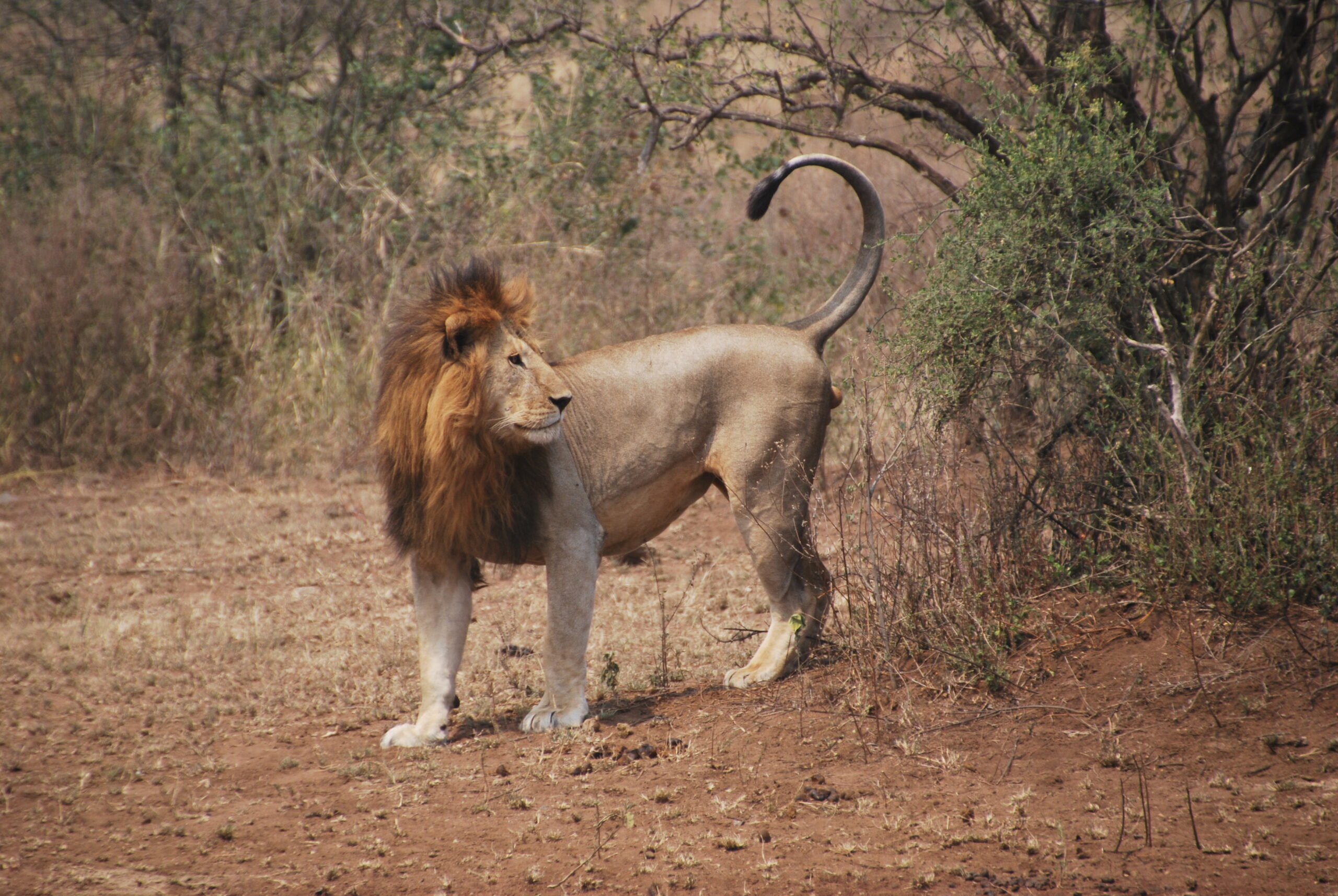
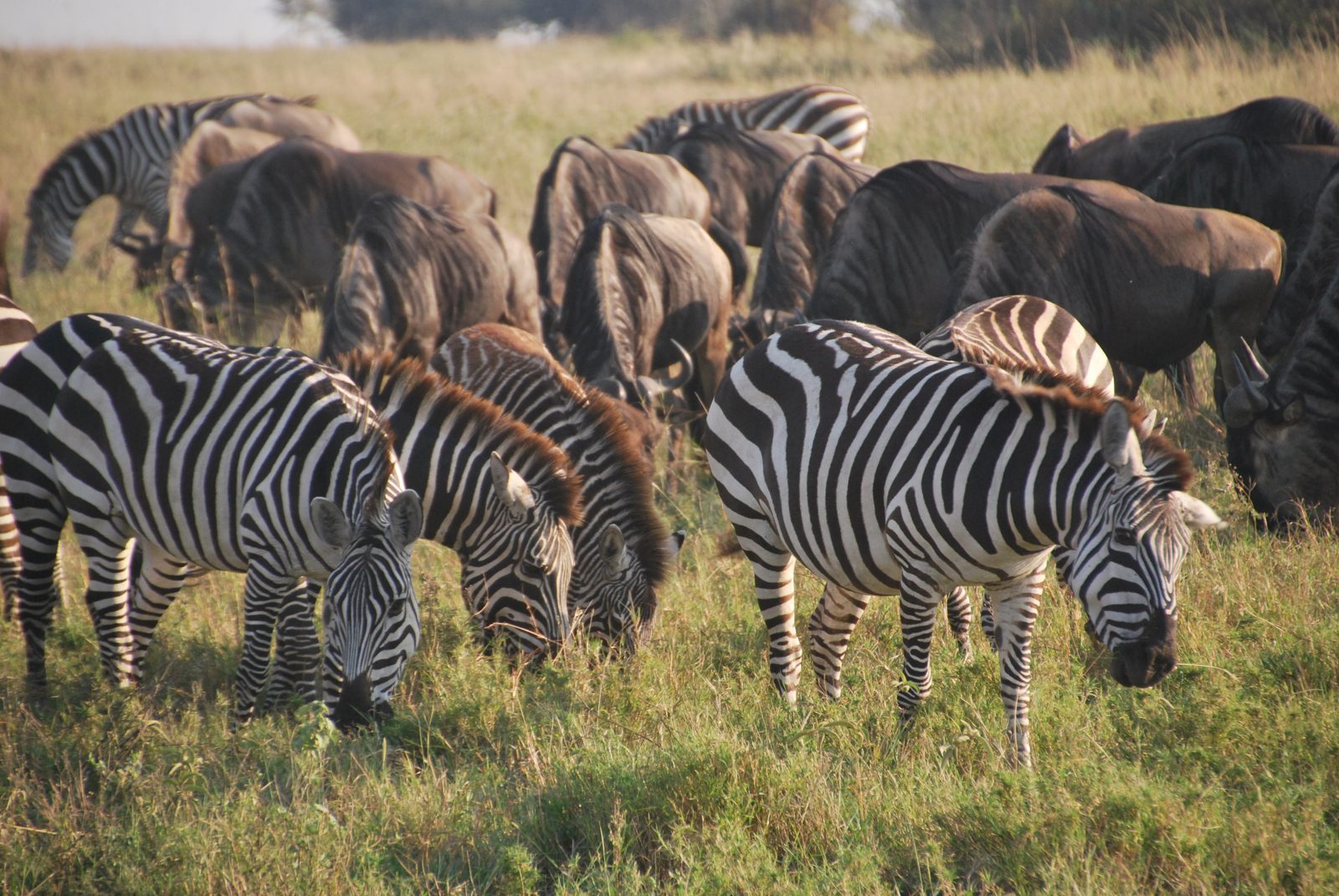
More than a million wildebeest and hundreds of thousands of zebras and gazelles travel a circular route of 1,000 km between Tanzania and Kenya every year. According to UNESCO, the Serengeti plains are home to the largest intact animal migration left in the world.
Ten days in northern Tanzania: Tarangire, Serengeti and Ngorongoro, with two nights in Zanzibar at the end. The figures introduced with “according to” were checked on 19 Oct 2026 against the linked official source.
Tanzania in 30 seconds
- Country: Tanzania, in East Africa on the Indian Ocean; it includes the Zanzibar archipelago.
- Protected area: 32.5% of the territory, according to the 2025 Statistical Bulletin of the Ministry of Natural Resources and Tourism.
- Big Five: lion, leopard, elephant, buffalo and rhinoceros. TANAPA places them in the Serengeti and NCAA, in the Ngorongoro Crater.
- UNESCO: seven properties on the World Heritage List (UNESCO). The route passes through three: the Serengeti (1981), Ngorongoro (1979) and the Stone Town of Zanzibar (2000).
- Best time: June–October (dry season) for the migration and January–February for calving, according to TANAPA.
- Official fees: tourist visa, USD 50, and mandatory entry insurance for mainland Tanzania, USD 44, according to Exteriores (Spain’s Ministry of Foreign Affairs).
10-day route, day by day
Day 1: flight to Kilimanjaro International Airport (JRO) and transfer to Arusha, the most common gateway to the Serengeti according to TANAPA.
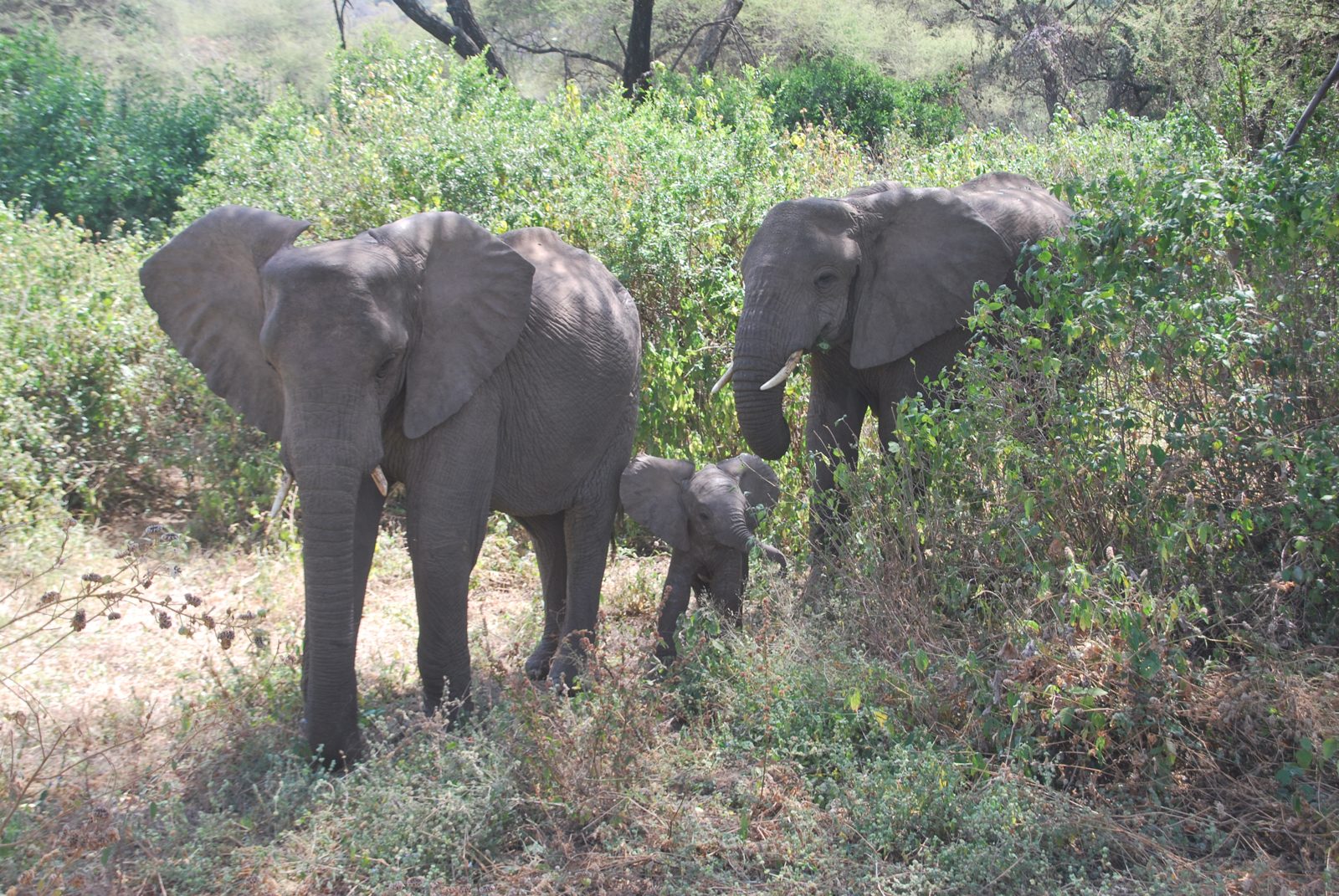
Days 2–3: Tarangire National Park. TANAPA presents it as a paradise for elephants and highlights its baobabs, some of them more than 1,000 years old.
Days 4–5: Central Serengeti, in the Seronera area, where the park has its headquarters according to TANAPA. The route spends two nights here.
Day 6: last safari in the Serengeti and transfer to the rim of Ngorongoro. The duration depends on the point in the Serengeti you leave from: NCAA estimates about three hours from Seronera, depending on the condition of the road. Ask the operator for the travel time from your last lodging in the park.
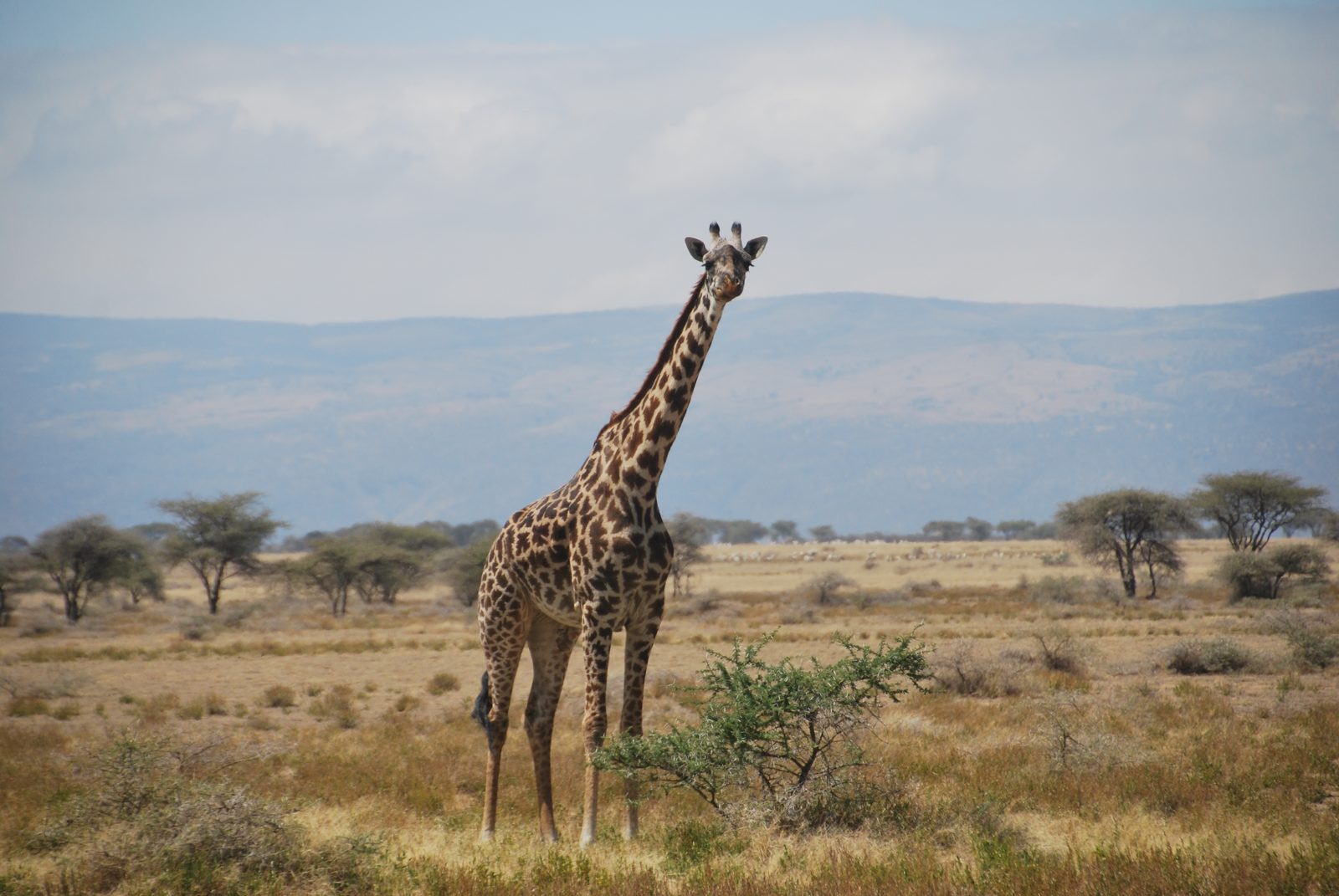
Day 7: Ngorongoro Crater, a caldera of about 260 km² and 610 m deep according to NCAA; UNESCO considers it the largest intact caldera in the world. The descent gates open at 06:00.
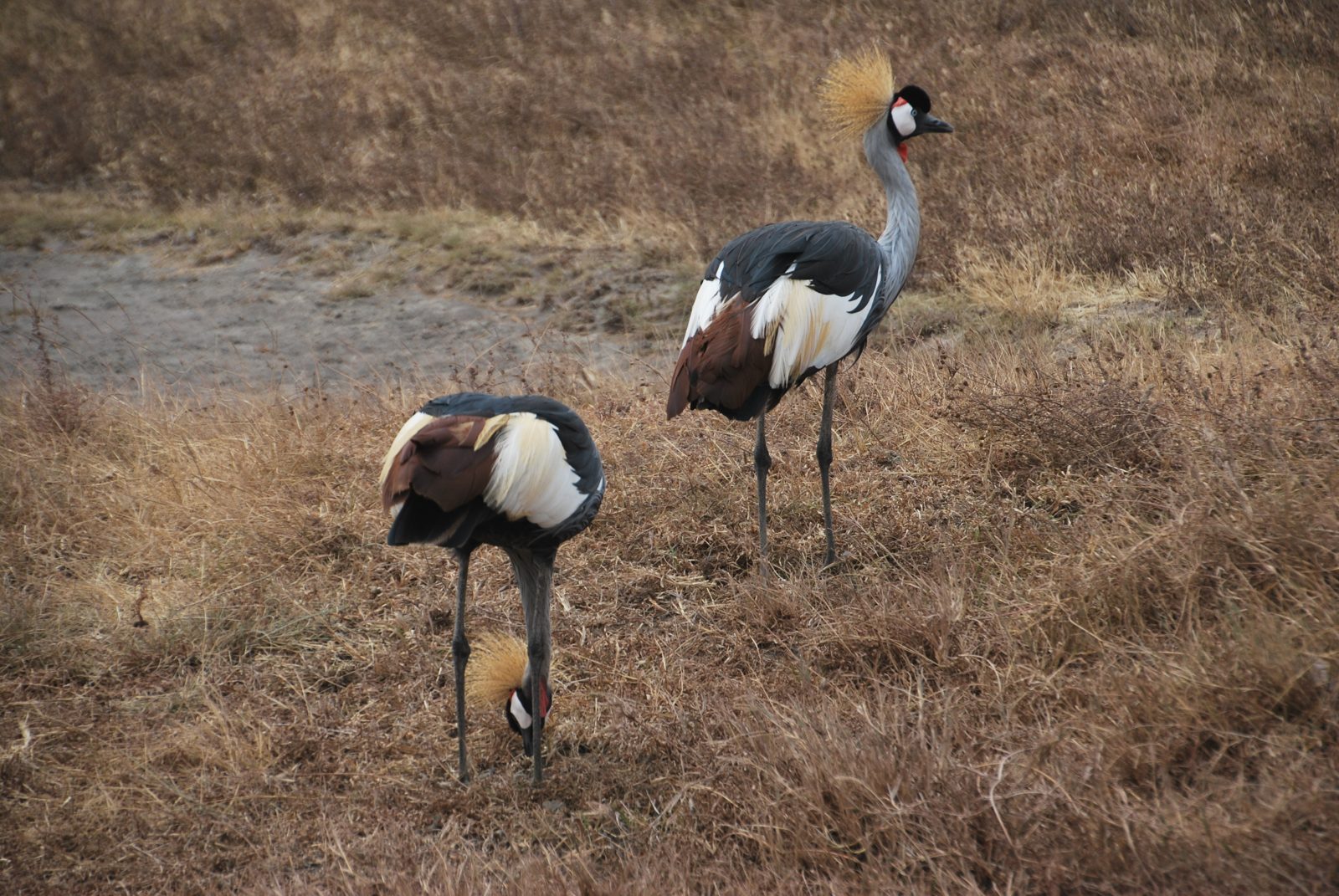
Day 8: flight to Zanzibar. Keep your passport to hand: Zanzibar runs its own immigration control even if you arrive from the mainland, according to Exteriores. NCAA lists three airports with their distance from the Ngorongoro Conservation Area: Manyara, 74 km; Arusha, 173.8 km; and Kilimanjaro, 227.3 km. Ask the operator which one your flight leaves from.
Days 9–10: beaches in the north of the island (Nungwi and Kendwa, according to the Zanzibar Commission for Tourism), a walk around Stone Town and the return flight.
When to go: migration, calving and rains
- January–March: TANAPA places the calving season in January and February. NCAA recommends late February and March to see the migration on the short-grass plains of Ndutu and Ngorongoro.
- April–May: rainy season. Exteriores cites frequent flooding from March to May. The Serengeti received 9,650 international visitors in April 2025, the month with the fewest visitors of the year (Ministry of Natural Resources and Tourism). NCAA keeps its area open all year, including May.
- June–October: dry season and migration season according to TANAPA. June, July and August are the coldest months in Ngorongoro, and nights tend to be cold; across the whole area the temperature ranges from 3 to 35 °C depending on altitude (NCAA). Sanidad (Spain’s Ministry of Health) advises bringing a warm layer between June and September.
- July–September: high season. The Serengeti recorded 68,068 international visitors in July, 71,075 in August and 50,949 in September 2025, compared with 9,650 in April (Ministry of Natural Resources and Tourism). The TANAPA visitor guide recommends booking accommodation in advance during the migration season.
- November–December: Exteriores cites frequent flooding in this rainy season. The Serengeti received 19,151 international visitors in November 2025 and 23,128 in December (Ministry of Natural Resources and Tourism).
Confirm with the operator where the herds are during the week you travel: according to UNESCO, they make an annual circuit of 1,000 km.
Safari photography: the gear
- 100-400 mm telephoto lens: a common focal range on safari; with short focal lengths, animals take up only a small part of the frame.
- Two camera bodies: one with a wide-angle lens for landscape and the vehicle, the other with the telephoto. This way you avoid changing lenses with dust in the air.
- Monopod or beanbag: there is little room for a tripod inside the vehicle. A sandbag (beanbag) resting on the window holds the telephoto steady.
- Dust: change lenses as little as possible and cover the camera with a microfibre cloth between stops.
- Memory cards: bring several and copy the photos every night.
- Batteries: bring spares and ask the operator before leaving whether the vehicle and the lodging have power sockets.
Official fees for the route (excluding flights and operator fees)
- Tourist visa: USD 50, valid for up to 90 days, according to Exteriores and the Tanzania Immigration visa guidelines.
- Entry insurance: USD 44 for mainland Tanzania, valid for a maximum of 92 days and mandatory from 1 Oct 2026, according to Exteriores. Zanzibar has its own mandatory insurance, the one from the Zanzibar Insurance Corporation.
- Tarangire entry: TZS 127,750 per non-resident adult per day in high season (until 14 Mar 2027) and TZS 38,325 per child aged 5 to 15, according to the TANAPA 2026/2027 tariff table (checked on 3 Nov 2026). The park page gives a different figure, $70 per international adult and $20 per child, without stating the currency; it is the same figure as on the Serengeti page, although in TANAPA’s tables the Serengeti entry costs more, TZS 178,850 per adult. The visitor guide warns that vehicle, camping and guide charges may be added.
- Serengeti entry: $70 per international adult and $20 per child according to the park page, which does not state the currency either. The visitor guide warns that vehicle and camping charges may be added. Ask the operator for the exact amount.
- Ngorongoro entry: USD 70.80 per person aged 16 or over who is not resident in East Africa and USD 295 per vehicle and crater descent, according to the NCAA tariffs. Each permit is valid for one entry within 24 hours.
- Operator: book only with well-known, financially sound companies. Exteriores warns of scams involving safaris booked online or by phone, and the Tanzania Tourist Board publishes a register of blacklisted or suspended operators.
- Flights, accommodation and vehicle: there is no official tariff. Ask for an itemised written quote and compare it with the fees above.
Ngorongoro: the crater in figures and rules
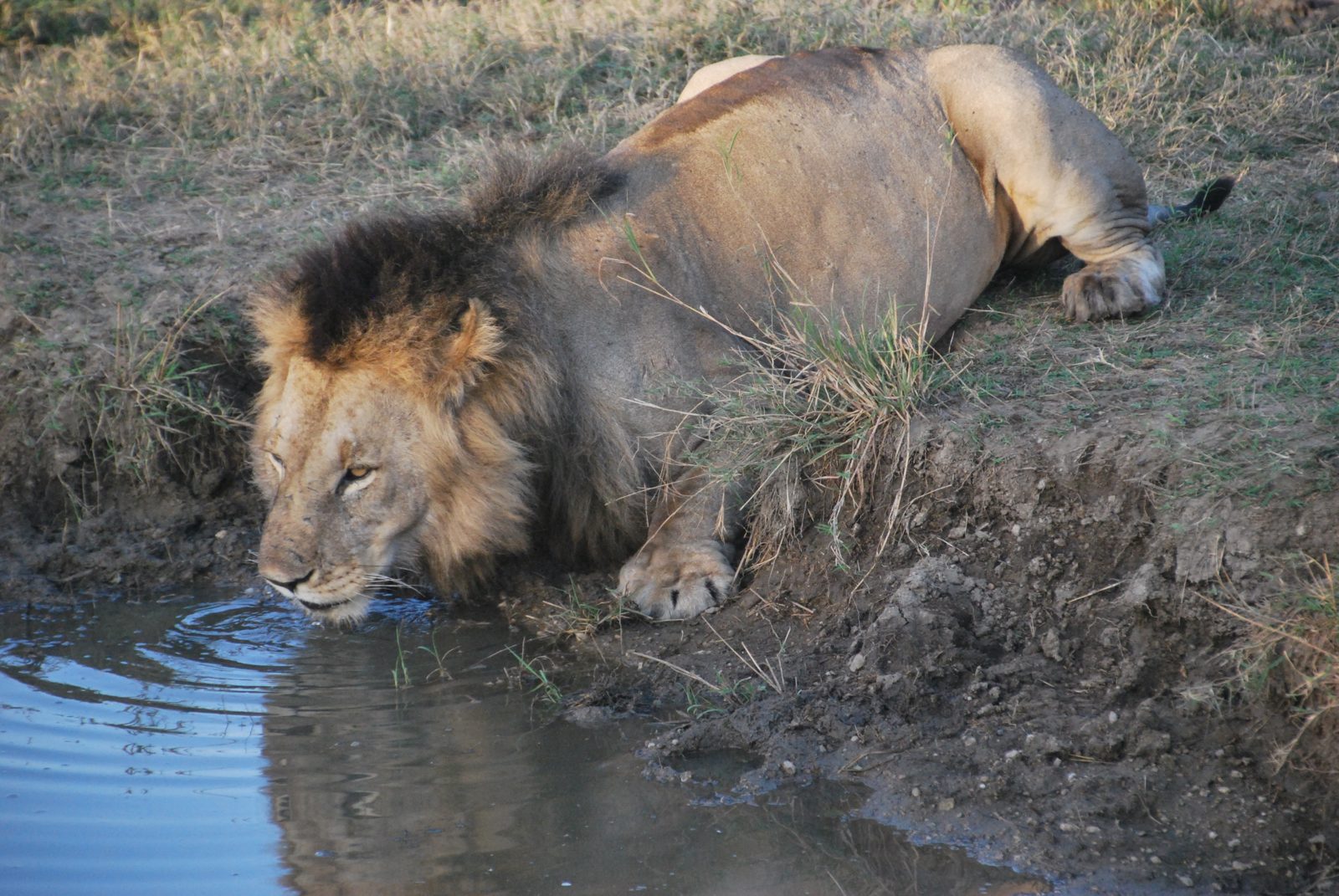
Ngorongoro offers a density of wildlife: NCAA speaks of more than 25,000 animals in the crater, including the Big Five. UNESCO also highlights the presence of the black rhinoceros, a threatened species.
The crater descent gates open at 06:00 and close at 16:00 (NCAA). To arrive at opening time, sleep on the crater rim or near it: NCAA lists accommodation there. Only 4×4 vehicles weighing up to 3,500 kg unladen are admitted, with an authorised guide, and walking inside the crater is not allowed (NCAA rules).
Zanzibar: two nights at the end of the route
Days 8 to 10 swap the savannah for the coast. The Zanzibar Commission for Tourism places the beaches of Nungwi and Kendwa in the north of the island and lists snorkelling, diving and kitesurfing among the activities.
The route allows two nights on the island (days 8 and 9) instead of linking the savannah directly to the return flight. Stone Town, a UNESCO World Heritage Site since 2000, brings together Swahili, Arab, Indian and European influences, and UNESCO highlights its carved double doors.
Practical information (official sources, checked on 19 Oct 2026)
NCAA warns that its tariffs may change without prior notice, so confirm the amount at the link before paying. Exteriores last updated its recommendations on Tanzania on 20 Oct 2026 (checked on 3 Nov 2026).
Getting there
- Airports: according to TANAPA, the closest to the Serengeti and Tarangire are Kilimanjaro International (JRO) and Arusha (ARK).
- To the Serengeti: Arusha is the most common gateway. By road the journey can take between 7 and 8 hours, and there are scheduled flights to the Seronera airstrip (TANAPA visitor guide).
- To Ngorongoro: the closest airport is Manyara, 74 km away; Arusha is 173.8 km and Kilimanjaro 227.3 km (NCAA). From Seronera to the crater, NCAA estimates about three hours depending on the condition of the road (FAQs).
- Between the mainland and Zanzibar: carry your passport. The Zanzibari authorities run their own immigration control (Exteriores).
Tickets, opening hours and payment
- Tarangire: TZS 127,750 per non-resident adult in high season and TZS 38,325 per child, according to the TANAPA table; the park page gives $70 and $20. The park is open all year and the gates close at 18:00 (TANAPA).
- Serengeti: $70 per international adult and $20 per child. The park is open all year and the gates close at 18:00 (TANAPA).
- Ngorongoro: the area gates open from 06:00 to 18:00 and the crater gates from 06:00 to 16:00 (NCAA opening hours). The permit costs USD 70.80 per person aged 16 or over who is not resident in East Africa, the crater adds USD 295 per vehicle and descent, and each permit is valid for one entry within 24 hours (NCAA tariffs).
- Payment: NCAA recommends paying before the visit, online, with a Visa or Mastercard card or with mobile money services. It accepts Tanzanian shillings and dollars.
- Guide: TANAPA states that visitors should always travel with a guide or operator and that guides should be certified. In the Ngorongoro Crater, an authorised guide is mandatory (NCAA).
Visa, insurance and health
- Passport: with at least six months’ validity from the date of entry and three blank pages, according to Exteriores. The Immigration visa guidelines ask for six months’ validity and at least one unused page.
- Visa: Spanish nationals need one (Exteriores). Applications are made online through the official Immigration portal, which processes them in ten days, or on arrival at the international airports of Dar es Salaam, Zanzibar and Kilimanjaro. The tourist visa costs USD 50 and is valid for up to 90 days. According to the Immigration guidelines, a single visa covers both the mainland and Zanzibar, and you must show your return ticket on arrival.
- Insurance: Exteriores describes a mandatory insurance for entering mainland Tanzania from 1 Oct 2026 (USD 44, up to 92 days) and another, from the Zanzibar Insurance Corporation, for visiting Zanzibar. The route visits both areas and the Exteriores text does not clarify whether one insurance replaces the other: before flying, check on the purchase portals that Exteriores links to which policies you need. Exteriores also recommends medical insurance with repatriation, because the country’s healthcare facilities are limited.
- Yellow fever: Tanzania requires a vaccination certificate from anyone arriving from a country with a risk of transmission and from anyone who has spent more than 12 hours in an airport in one of those countries (Sanidad and Exteriores). Spain is not among those countries. If your flight has a long layover outside Spain, check first with an international vaccination centre. Sanidad does not recommend the vaccine for Tanzania as a general rule.
- Health form: because of the Ebola outbreak in the Democratic Republic of the Congo, Tanzania’s Ministry of Health requires all travellers to complete the online Traveller’s Health Surveillance Form at afyamsafiri.moh.go.tz, before arriving or on arrival, and to keep the QR code or reference number from the confirmation to show at the health check at the point of entry, where body temperature is also taken (Travel Advisory No. 18 of 17 Oct 2026; Exteriores also lists it). Each traveller fills in their own form with their passport and travel details; children too, with help from a parent or guardian. The portal accepts it from 24 hours before arrival (checked on 3 Nov 2026).
- Malaria: Sanidad indicates a risk all year round throughout the country below 1,800 m altitude, and assigns type C prevention: avoiding bites plus chemoprophylaxis with atovaquone-proguanil, doxycycline or mefloquine, chosen by your doctor (Sanidad, chapter 7).
- Other vaccines: Exteriores recommends updating the diphtheria-tetanus-polio, tuberculosis and rabies vaccinations, and getting vaccinated against typhoid fever, hepatitis A and B and meningitis A+C+Y+W135. Consult an international vaccination centre before travelling.
- Safety: Exteriores recommends travelling with caution. It warns of thefts from tourists, advises against driving at night outside urban areas and reminds travellers that local airlines do not meet European standards and are banned from operating in EU airspace; check the EU air safety list before booking the flight to Zanzibar. It also notes that the Tanzania Meteorological Authority forecasts above-average rainfall because of El Niño, with a higher risk of flooding, especially on the coast.
Rules that affect the camera
- Drones: TANAPA prohibits them without special permission in the Serengeti and requires prior written permission in Tarangire.
- People: in Ngorongoro it is forbidden to photograph the local population except at designated Cultural Bomas (NCAA).
- Commercial filming: requires a filming permit in Ngorongoro (NCAA).
- Animals: NCAA asks visitors to keep at least 25 metres’ distance, not to gather more than five vehicles at a sighting and to keep quiet. Outside designated areas you must stay inside the vehicle, and the speed limit in the crater is 25 km/h.
- Images and checks: Exteriores notes that a strong security presence and roadside checks persist after the demonstrations on election day. It warns that sharing images that cause public alarm is a crime and that inspections of electronic devices have been reported.
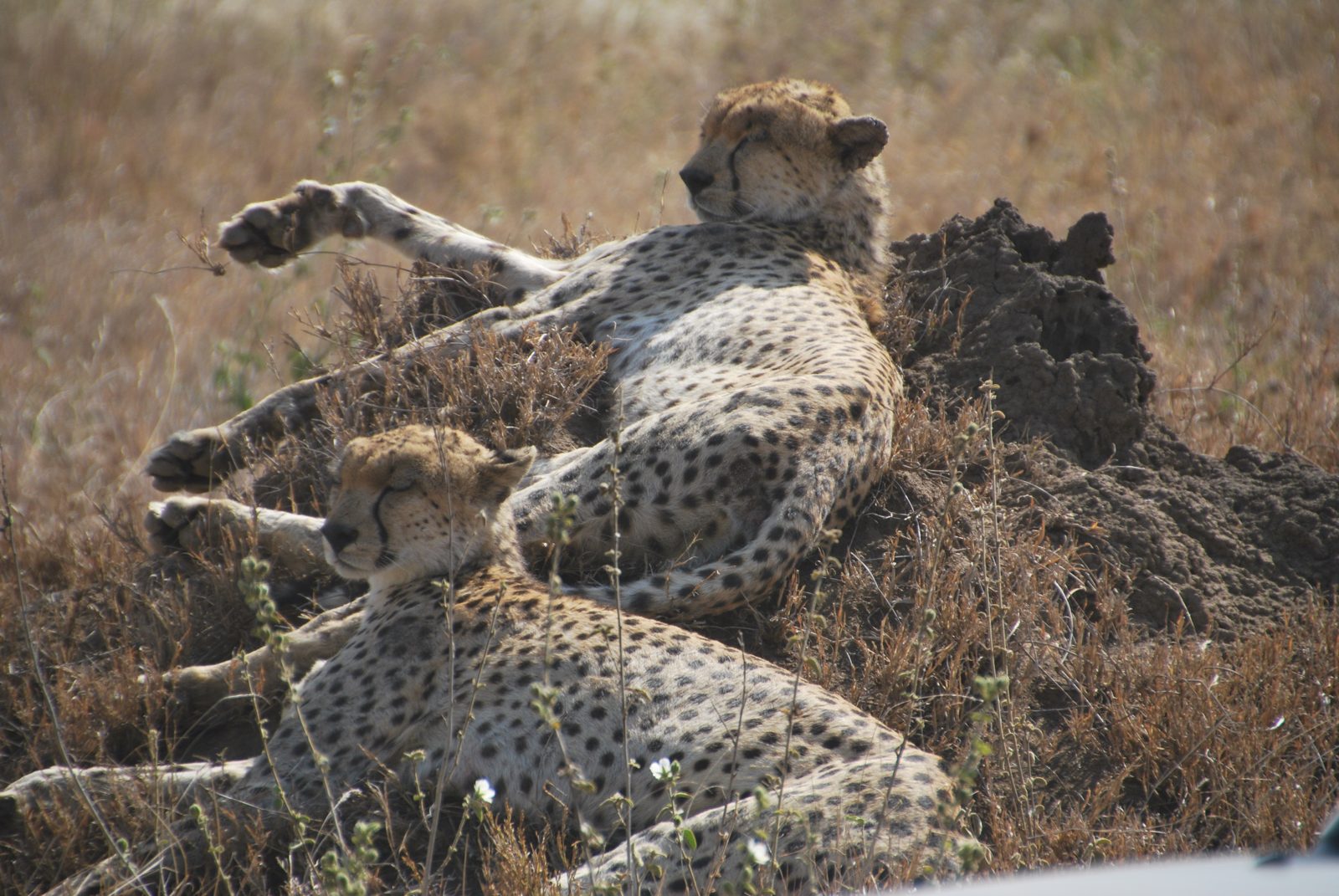
Photographs by Ander Bilbao (@vidaiatzen), taken in Tanzania with a Nikon D60. Published on Bidaiatzen.
Safari and Zanzibar recordings
Six short clips: four from the safari and two from Zanzibar. Below them, two 8-second loops that play without sound.
