
There is a moment, just before sunrise on the Giza plateau, when the desert holds its breath. The wind drops. The horizon turns the color of weak tea. And then, against that pale sky, three impossible triangles begin to glow — older than every empire you have ever read about. Egypt photography is not really about pyramids and temples. It is about how light, after 4,500 years, still chooses to land on the same stones the way it did when they were new.
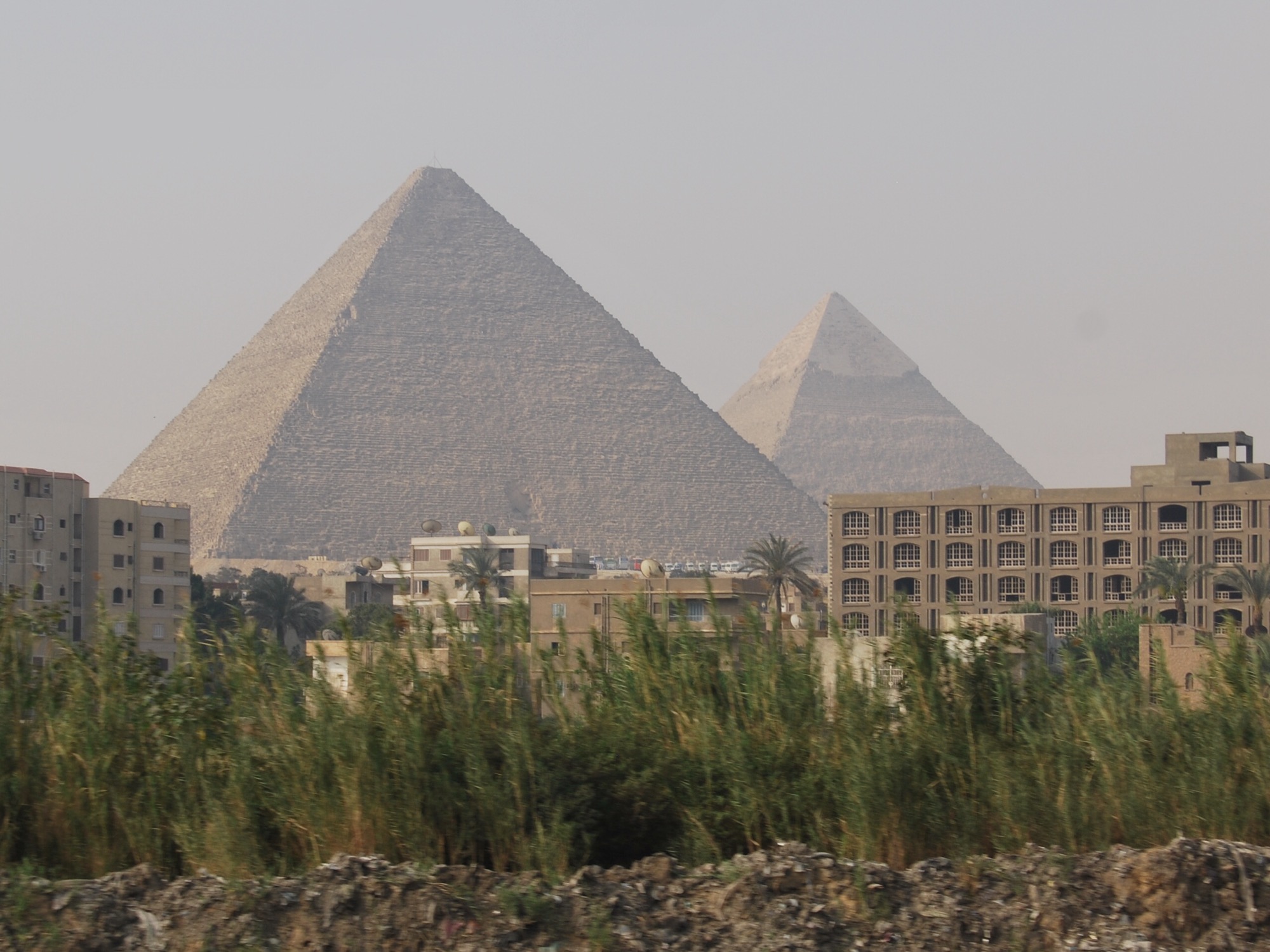
This is a 10-day photographic itinerary across Cairo, Luxor, Aswan and Abu Simbel — the classic Nile arc, walked at the pace of a photographer rather than a tour bus. No 6 a.m. coach departures, no 90-second photo stops. Just enough time to wait for the light, talk to the guards, and get the frame you actually came for.
Days 1–3: Cairo and the Pyramids of Giza
Cairo is loud, dusty, gloriously alive — and almost everyone tries to leave it too quickly. Don’t. Give it three nights. The first morning, hire a private driver and head to Giza before the gates open at 7 a.m. Most groups arrive at 9. By then, the heat haze has already swallowed the stones.
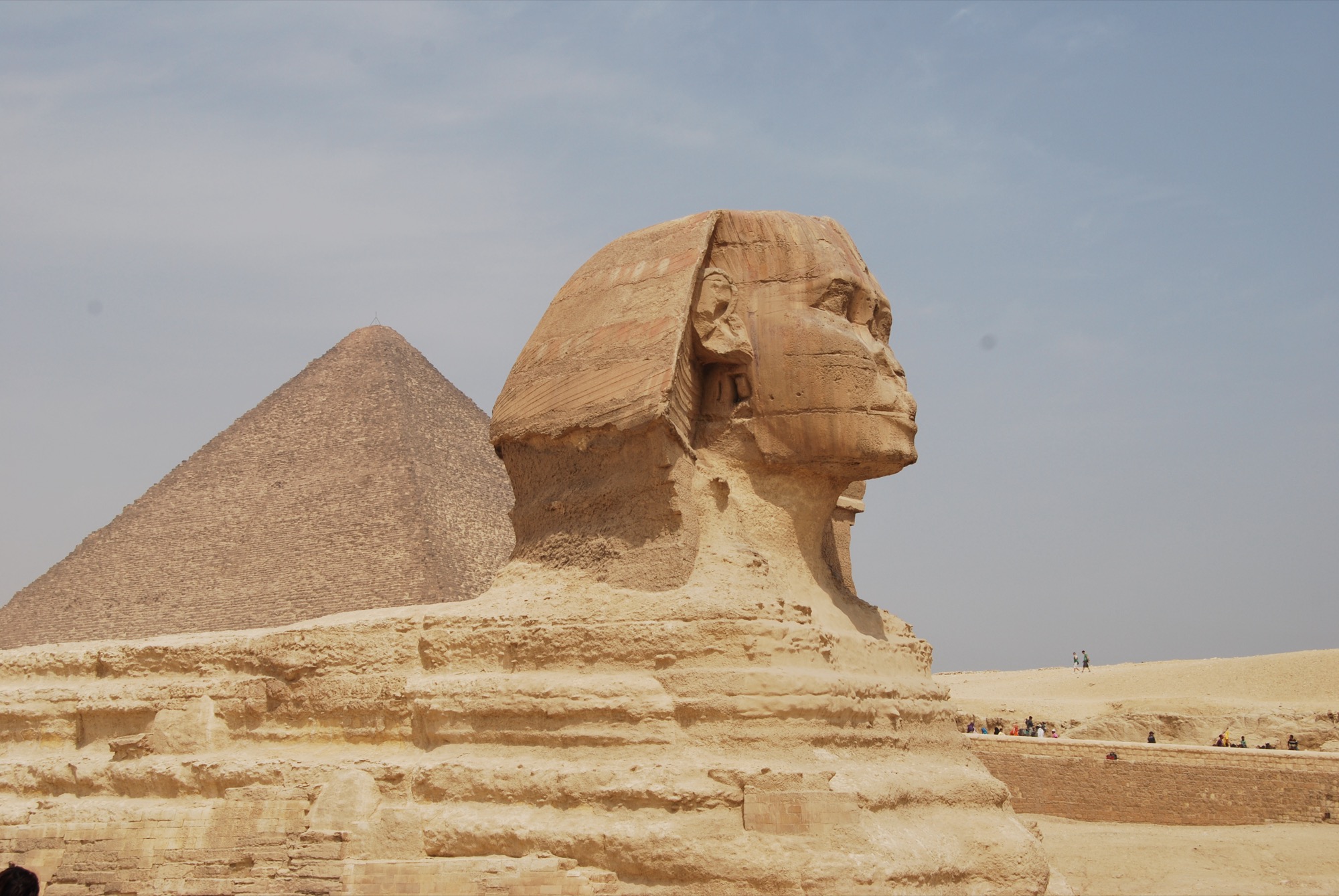
The classic compositions everyone knows — the Sphinx framed against Khafre, the three pyramids in stepped diagonal — work because they are honest. Don’t fight them. Then, walk south for ten minutes to the panoramic viewpoint locals call the «desert balcony» and shoot the plateau wide, with a camel rider crossing the foreground for scale.
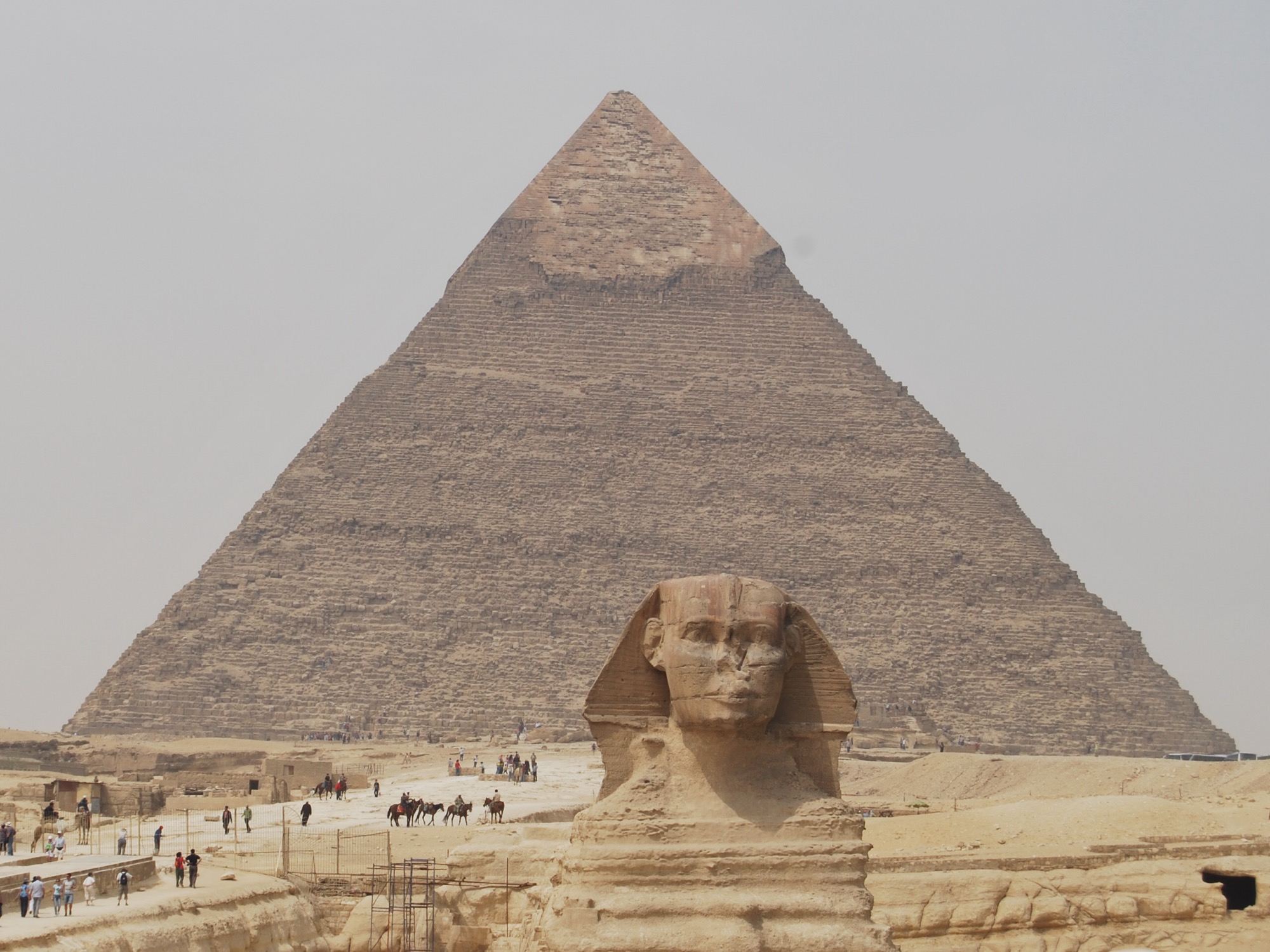
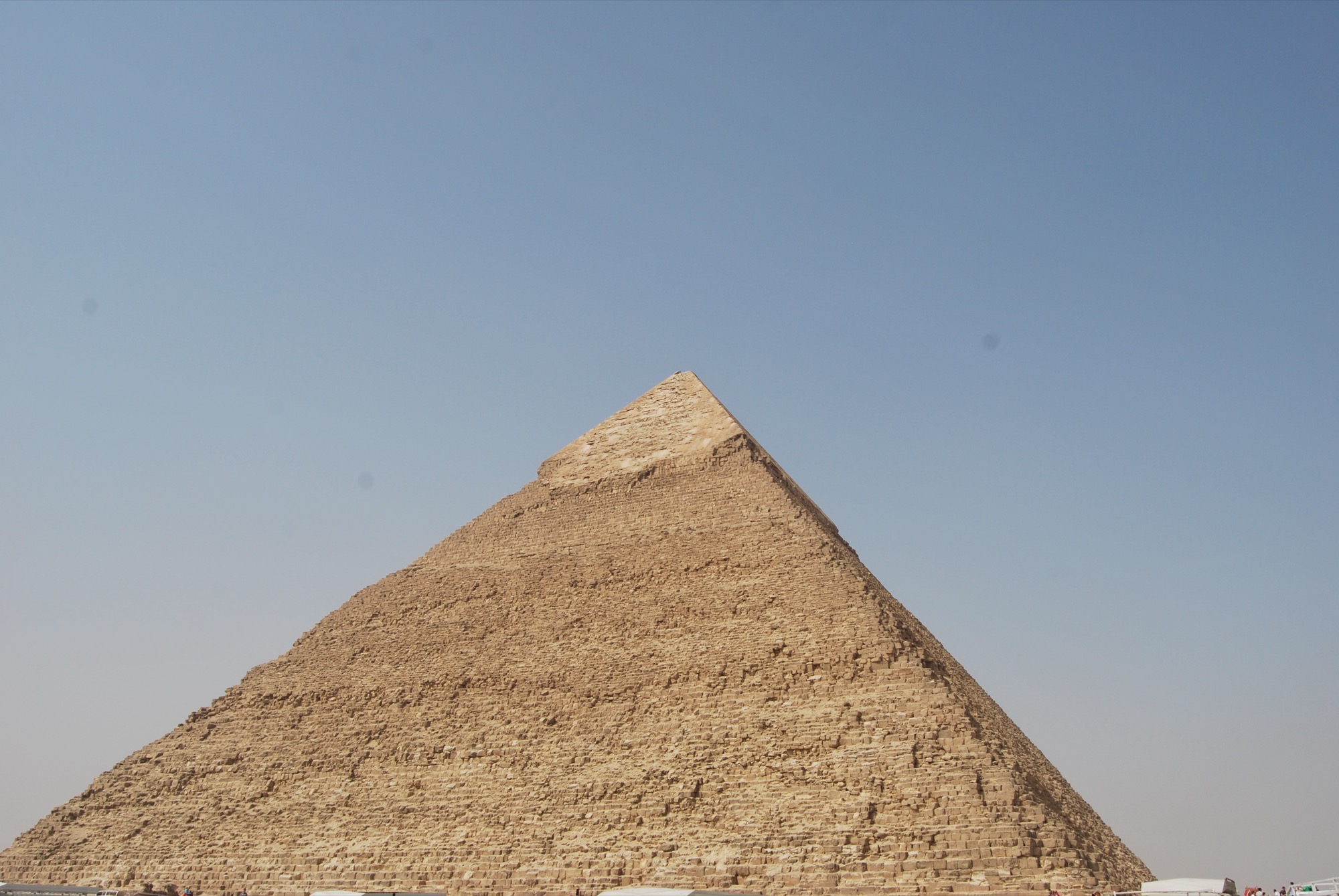
💡 Photographer’s tip: bring a 24–70mm and a 70–200mm. The wide for context, the tele for compressing the three pyramids into one stacked silhouette. A polarizer cuts through the desert haze and saves your blue sky.
Spend day two at the new Grand Egyptian Museum (GEM), finally fully open after years of delays. The Tutankhamun gallery alone — over 5,000 objects displayed together for the first time — justifies the trip. Day three: Coptic Cairo, Khan el-Khalili bazaar, and a sunset felucca on the Nile to acclimatize before flying south.
Days 4–6: Luxor — the world’s largest open-air museum
Fly Cairo–Luxor (about 1h, $80–120). Luxor is the photographic centerpiece of any Egypt itinerary: temples on the east bank, royal tombs on the west. Three nights is the minimum.
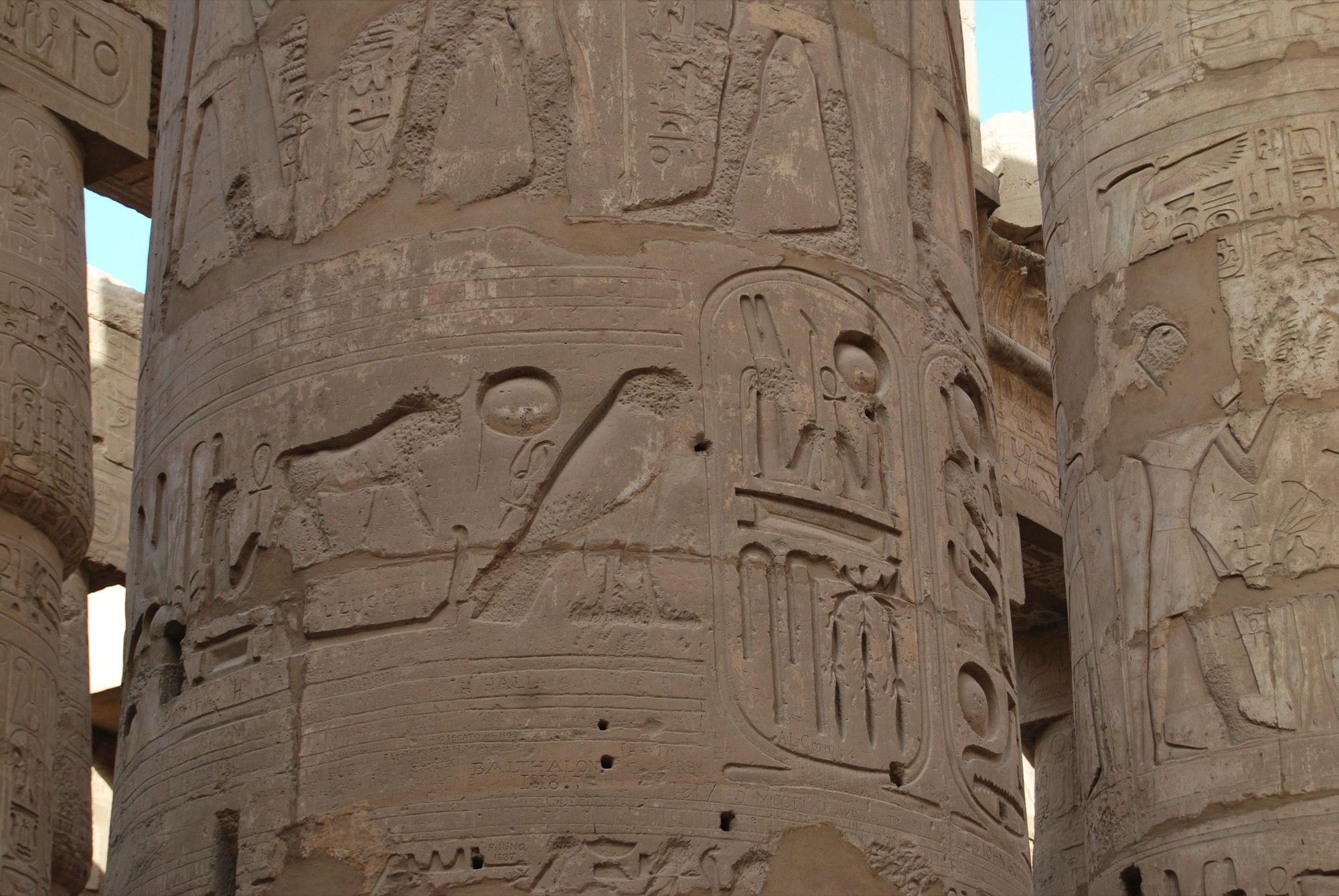
Karnak Temple deserves a full morning. The Great Hypostyle Hall — 134 sandstone columns covered in hieroglyphs — is the kind of place where a wide-angle lens still feels too narrow. Go right at opening (6 a.m. in winter), be the first one in, and you get fifteen minutes of empty corridors before the first tour group arrives.
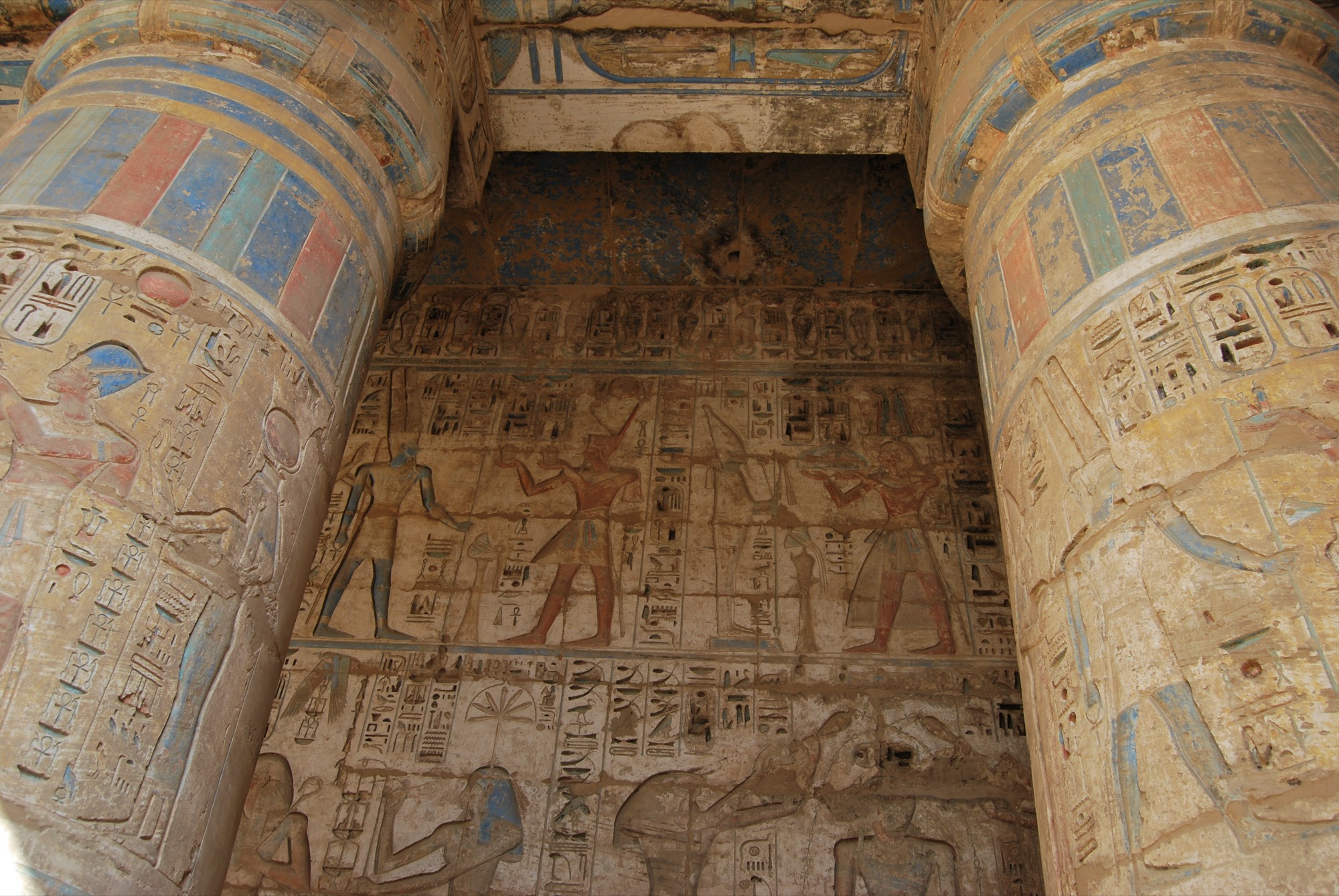
Luxor Temple is the opposite trip: visit at sunset, stay through blue hour. The warm spotlights make the obelisk and the colossi of Ramses II almost cinematic. Day five, cross the Nile at dawn for the Valley of the Kings, the temple of Hatshepsut at Deir el-Bahari, and the often-overlooked Medinet Habu — arguably the best-preserved painted reliefs in Egypt.
💡 Tip: photography is now allowed inside most tombs in the Valley of the Kings with a separate ticket (~300 EGP / €5.50). It’s worth it. Tutankhamun, Ramses VI and Seti I are the headline acts.
Days 7–8: The Nile cruise to Aswan
Skip the floating hotels. Book a traditional dahabiya — a two-masted sailboat with 8 to 12 cabins, no engine, no diesel fumes. The light on the riverbanks, the donkeys at the shore, the children waving from mud-brick villages: this is the Egypt that has not changed in 3,000 years.
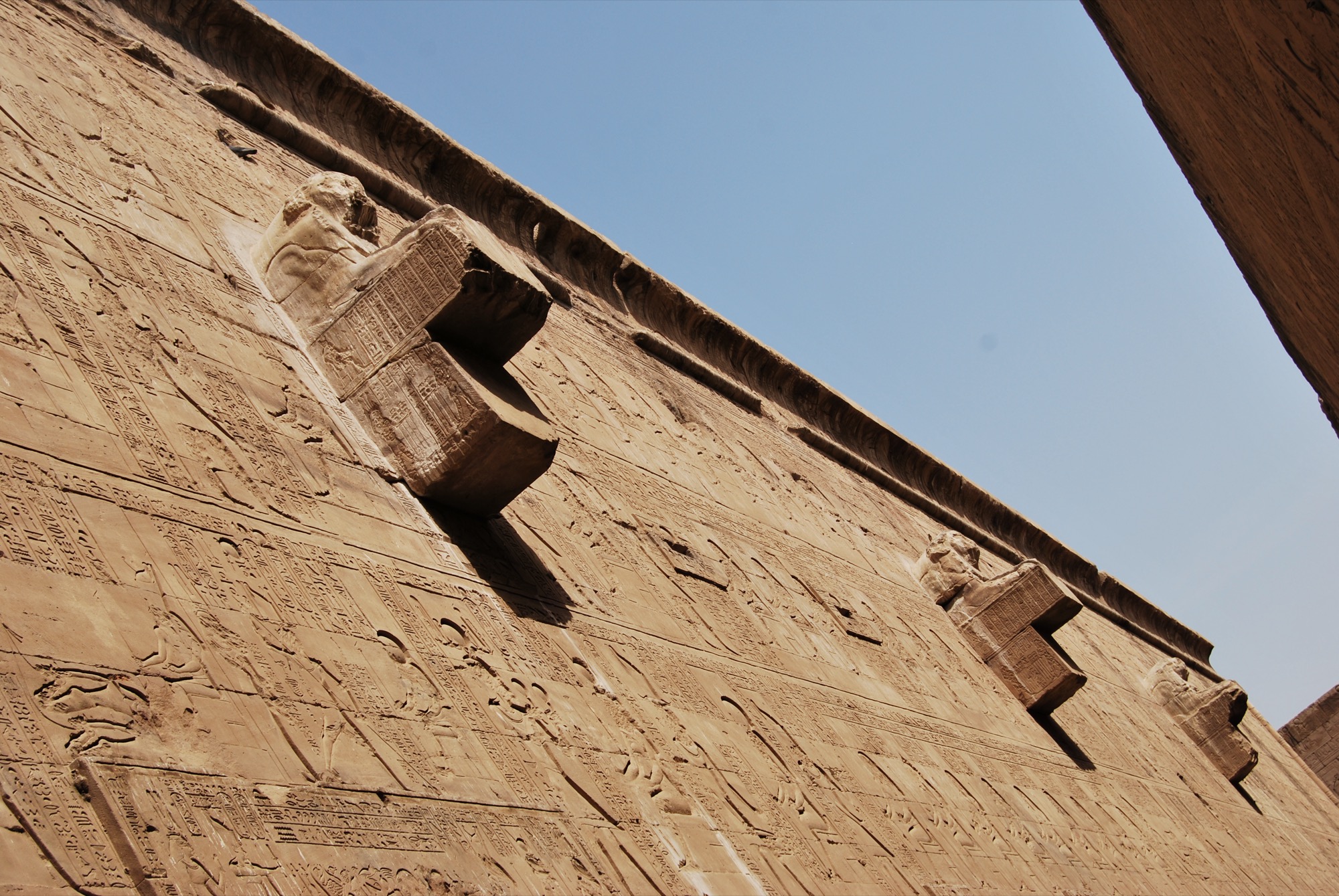
Stops along the way include Edfu (the best-preserved temple in Egypt, dedicated to Horus), Kom Ombo (a rare double temple), and Gebel el-Silsila quarries. Two nights on board, three full days on the river. End in Aswan, where Nubian villages spill down the granite islands and the souk smells of cardamom and hibiscus.
Days 9–10: Abu Simbel and the long way back
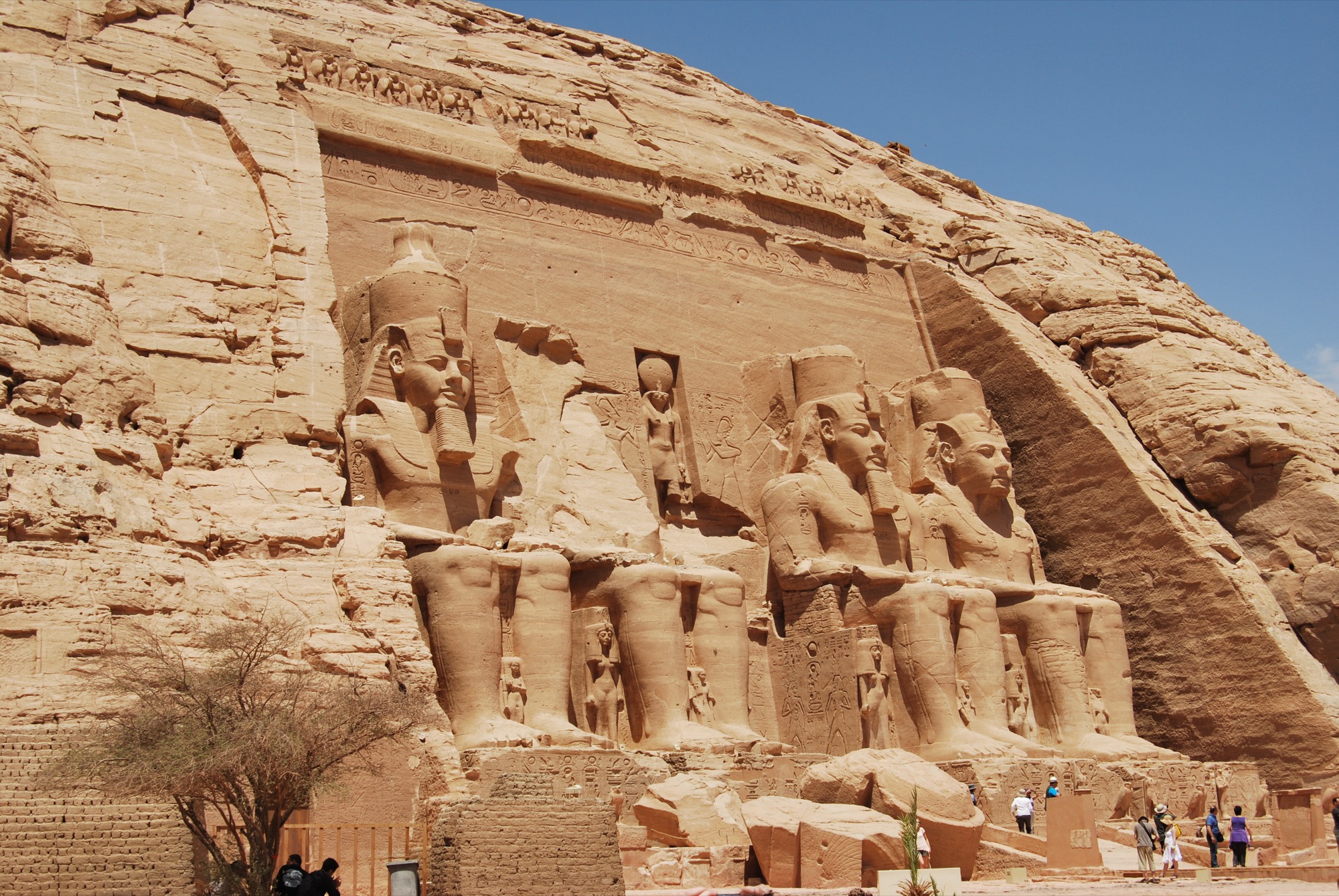
Three hours south of Aswan by road (or 50 minutes by EgyptAir flight), Abu Simbel is the southern frontier of pharaonic Egypt — and the most theatrical temple of all. Four 20-meter colossi of Ramses II, carved directly into the cliff, face the rising sun. Twice a year (22 February and 22 October) the first rays travel 60 meters down the corridor and illuminate the inner sanctuary. Even on an ordinary morning, watching the façade catch the first light is the kind of thing you don’t really photograph well — you mostly just stand there.
Day 10: fly Aswan–Cairo, connect home. If you have one extra day, spend it at the GEM again. There is too much to see in a single visit.
Practical info — the things nobody tells you
🛂 Visa: €25 e-visa online, or on arrival at Cairo. Sorted in 10 minutes.
📅 When to go: November to February. Daytime temperatures of 22–28°C, cool nights, low humidity. Avoid June–August unless you enjoy 45°C in the Valley of the Kings. Ramadan also slows everything down — check the calendar.
💸 Budget: a comfortable 10-day trip with a private driver in Cairo, internal flights, dahabiya cruise and 4-star hotels runs €1,800–2,500 per person. Backpacker version: €900–1,200. Egypt rewards spending a little more on guides and accommodation.
🎟 Skip-the-line tickets and guided tours: the queues at Giza and the GEM are real. I book entrance passes and small-group tours through Civitatis Cairo and Civitatis Luxor — they have an Abu Simbel day-trip from Aswan that includes the road permits, which alone is worth the price.
🏨 Where to sleep: in Cairo, anywhere with a Giza-pyramid view from the rooftop is worth the upgrade — that 5 a.m. balcony shot is non-negotiable. I use Booking.com for the cancellation flexibility, especially for the Luxor and Aswan legs where plans shift around boat departures.
📷 Camera kit I would not leave home without: a full-frame body, a 24–70mm f/2.8, a 70–200mm f/4 (lighter than the f/2.8 and you don’t need the extra stop in this light), a polarizer, a good travel tripod for the temples at blue hour, and twice the memory cards you think you need. The dust gets everywhere — pack a rocket blower. For more detail on what I actually carry, see my full travel photography kit and the best travel cameras of 2026.
💵 Tipping (baksheesh): not optional. Always carry small bills (5, 10, 20 EGP). Guards will offer to «show you» angles, photo spots, hidden chambers — small tips keep doors open. It is not corruption. It is the economy.
Why Egypt still matters
Egypt is one of the few destinations on earth that cannot disappoint, because it does not need to perform. The pyramids were already ancient ruins when Cleopatra was born. Karnak’s columns were already half-buried in sand when the Romans first wrote tourist graffiti on them. You are not visiting a country — you are visiting deep time, with a camera, and just enough humility to keep the shutter quiet for the first thirty seconds.
If you make the trip, take fewer pictures than you think you need. Stand longer. The light here remembers things.
More inspiration on Bidaiatzen: the Uzbekistan Silk Road photography guide, our 10-day Tanzania safari itinerary, and the Annapurna Circuit photographer’s guide.
