
Siem Reap and Angkor Wat: 5-day guide with tickets and route
The 3-day Angkor pass (US$62, to be used within a week) covers the three temple days of this five-day route from Siem Reap.
By Ander BilbaoOwn photosPublished 15 min read
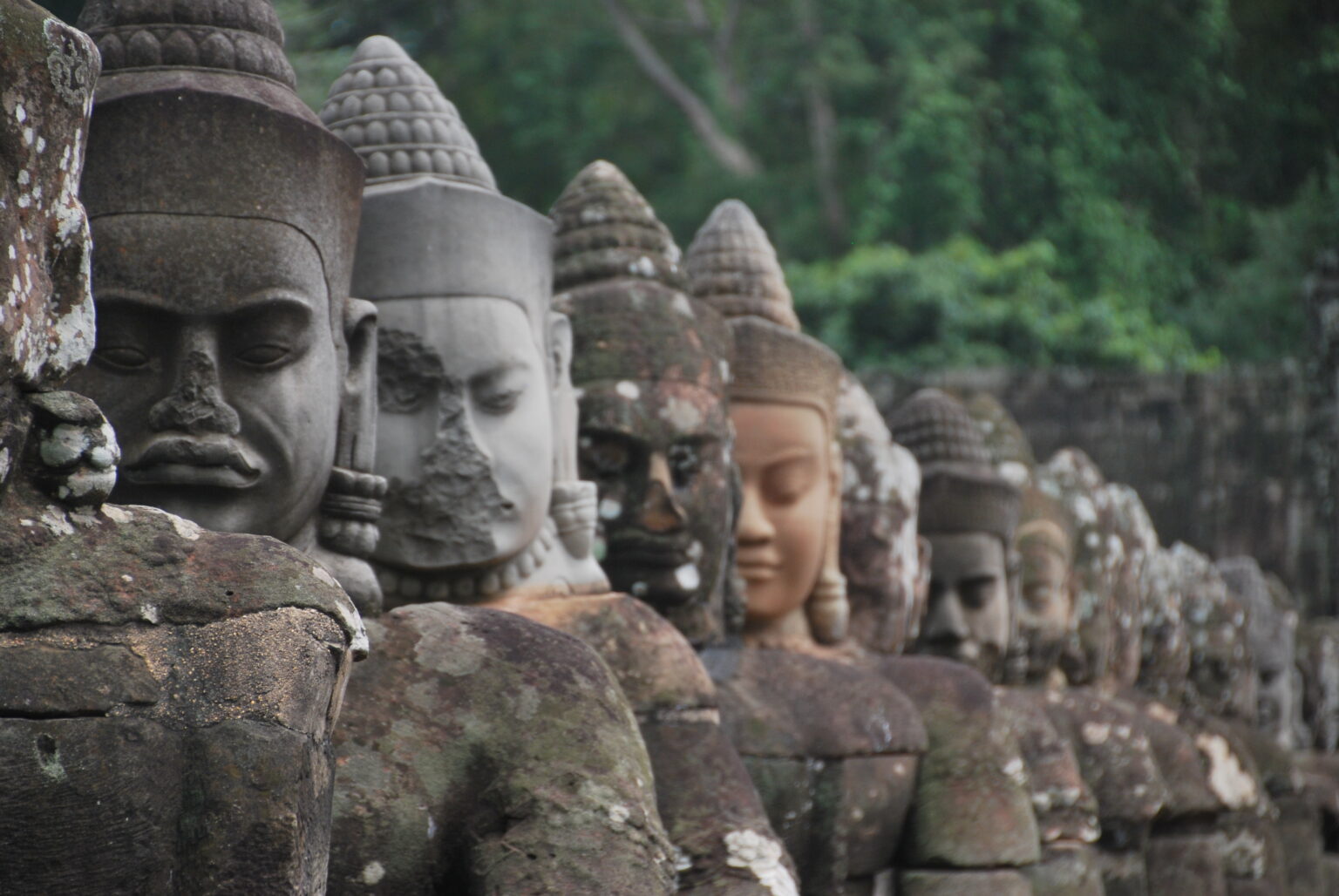
Angkor in short
- Days
- 5: arrival, three for the temples and one for the lake
- Pass
- 3 days, US$62; expires after 7 and needs a photo
- Hours
- Checkpoint from 5:00; the park closes at 18:30
- Transport
- Tuk-tuk or car; Banteay Srei is 25 km from the main temples
- Tickets
- US$69 per person (3-day pass and museum); boat, US$28 for 1–5
- Paperwork
- Visa (e-visa preferred) and e-Arrival card, before you fly
Facts checked on 15 Nov 2026 with Angkor Enterprise (pass, hours, distance to Banteay Srei and boat), the Cambodia Landmine Museum (admission) and Spain’s Ministry of Foreign Affairs (paperwork, for Spanish passports). The five-day split, the transport and the ticket total are our own suggestion.
Photographs by the author; those whose EXIF data name the camera were taken with a Nikon D60 on 8 and 9 August 2018, and the rice-field ones with a Tamron 18-270 mm lens. Prices and opening hours come from each site’s official website, with the source under each entry; where there is no official source, the entry says so. About me
| Site | Ticket | Day |
|---|---|---|
| 01Angkor Wat | Angkor pass | Day 2 |
| 02Angkor Thom and the Bayon | Pass | Day 2 |
| 03Ta Prohm | Pass | Day 2 |
| 04Preah Khan and the Grand Circuit | Pass | Day 3 |
| 05Phnom Bakheng | Pass | Day 3 |
| 06Banteay Srei | Pass | Day 4 |
| 07Cambodia Landmine Museum | US$7 | Day 4 |
| 08Boat at Chong Kneas | US$28 for 1–5 | Day 5 |
| ·Before you plan | ||
| ·5-day itinerary through Siem Reap and Angkor | ||
| ·History in 3 facts: Angkor Thom | ||
| ·Logistics: pass, paperwork, transport, health and weather | ||
| ·Sources | ||
Angkor Wat: open from 5:00 for sunrise
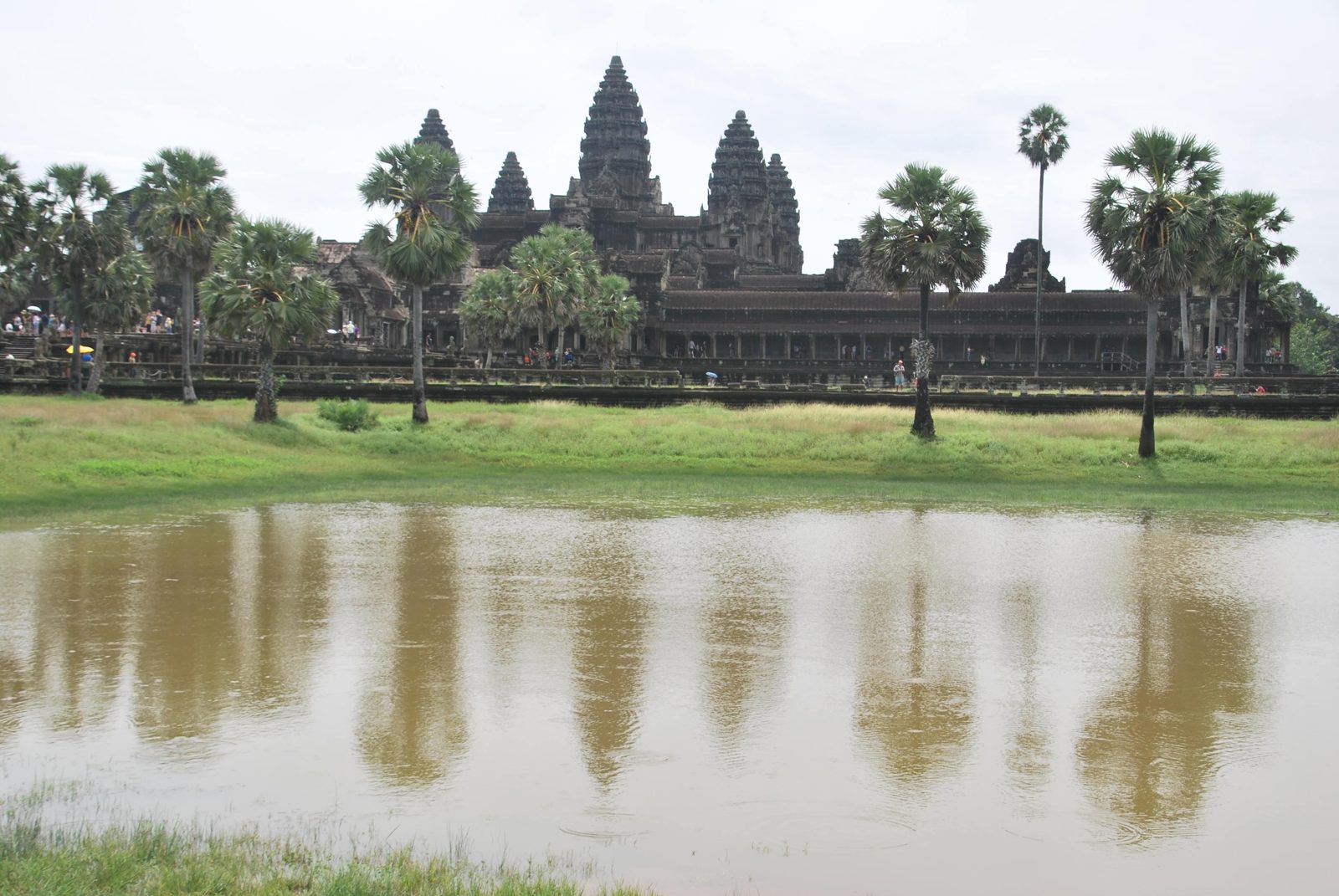
King Suryavarman II built it in the early 12th century as his state temple, dedicated to Vishnu, and towards the end of that century it gradually became Buddhist. It covers 162.6 hectares, inside a moat and an outer wall 3.6 km long.
It faces west, which is unusual among the temples of Angkor. For sunrise, bring a head torch for the walk in and check the sunrise time for the day, which changes with the season.
- Price
- Included in the park pass, from US$37: see The Angkor pass. Children under 12 do not pay.
- Hours
- 5:00 to 17:30.
- Getting there
- By tuk-tuk or car from Siem Reap, with the pass already bought.
- Note
- Children under 12 may not climb the Upper Tower.
Source: Angkor Enterprise, Angkor Wat page, tickets and FAQs · checked on 15 Nov 2026.
Angkor Thom and the Bayon: the towers of stone faces
The Bayon was the state temple of the Buddhist king Jayavarman VII, built in the late 12th or early 13th century, and it stands at the centre of Angkor Thom, his capital.
Its towers carry a multitude of serene, smiling stone faces. It also has two sets of bas-reliefs that mix mythological, historical and everyday scenes.
- Price
- Included in the park pass.
- Hours
- 7:30 to 17:30.
- Getting there
- At the centre of Angkor Thom; on this route, day 2, after Angkor Wat.
Source: Angkor Enterprise, Bayon page · checked on 15 Nov 2026.
Ta Prohm: trees among the ruins
Like Preah Khan, it has been left largely unrestored and keeps trees and vegetation among the ruins. It honoured the mother of King Jayavarman VII, as Preah Khan honoured his father.
To photograph it, avoid midday: the harsh light casts strong shadows between the stones (our own suggestion).
- Price
- Included in the park pass.
- Hours
- The official website does not publish them; the park opens at 5:00 and closes at 18:30.
- Getting there
- Part of the Small Circuit, with Angkor Wat and the Bayon.
Source: Angkor Enterprise, Preah Khan page (Ta Prohm has no page of its own), park hours and FAQs · checked on 15 Nov 2026.
Preah Khan and the Grand Circuit: day 3
Preah Khan was built in the 12th century in honour of King Jayavarman VII’s father, on the site where the king defeated the invading Chams in 1191.
The official website suggests the Grand Circuit for 3-day and 7-day passes. Besides Preah Khan, it includes Neak Pean, Ta Som, East Mebon and Pre Rup, the other temples of day 3.
- Price
- Included in the park pass.
- Hours
- Preah Khan, 7:00 to 18:30; no published hours for the other four.
- Getting there
- North-east of Angkor Thom, just west of the Jayatataka baray (reservoir).
Source: Angkor Enterprise, Preah Khan page and FAQs · checked on 15 Nov 2026.
Phnom Bakheng: sunset over Angkor Wat
This temple mountain dedicated to Shiva was built at the end of the 9th century, in the reign of Yasovarman, more than two centuries before Angkor Wat.
Angkor Enterprise describes it as a popular spot for sunset views of Angkor Wat, which lies about 1.5 km to the south-east.
- Price
- Included in the park pass.
- Hours
- 5:00 to 19:00.
- Getting there
- On top of a hill, about 1.5 km from Angkor Wat.
Source: Angkor Enterprise, Phnom Bakheng page · checked on 15 Nov 2026.
Banteay Srei: red sandstone 25 km from the main group
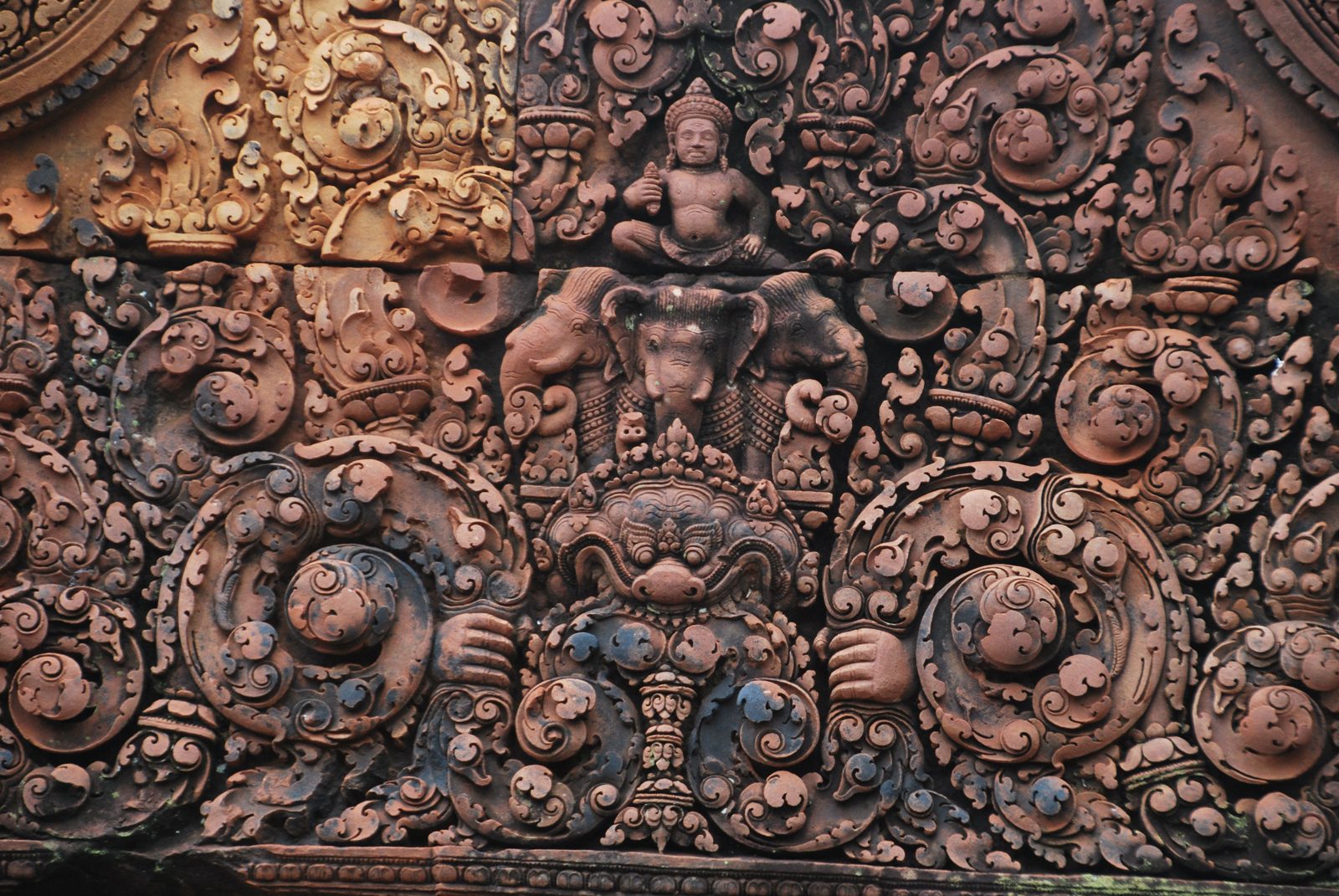
It was consecrated on 22 April 967 and is dedicated to Shiva. It is built of red sandstone and is small in scale, with very elaborate carvings.
It was the only major temple at Angkor not built by a monarch: its construction is credited to two courtiers, Vishnukumara and Yajnavaraha.
- Price
- Included in the park pass.
- Hours
- 7:30 to 17:30.
- Getting there
- 25 km north-east of the main group, near the hill of Phnom Dei; by car with a driver or by tuk-tuk.
Source: Angkor Enterprise, Banteay Srei page · checked on 15 Nov 2026.
Cambodia Landmine Museum: why you should never leave the paths
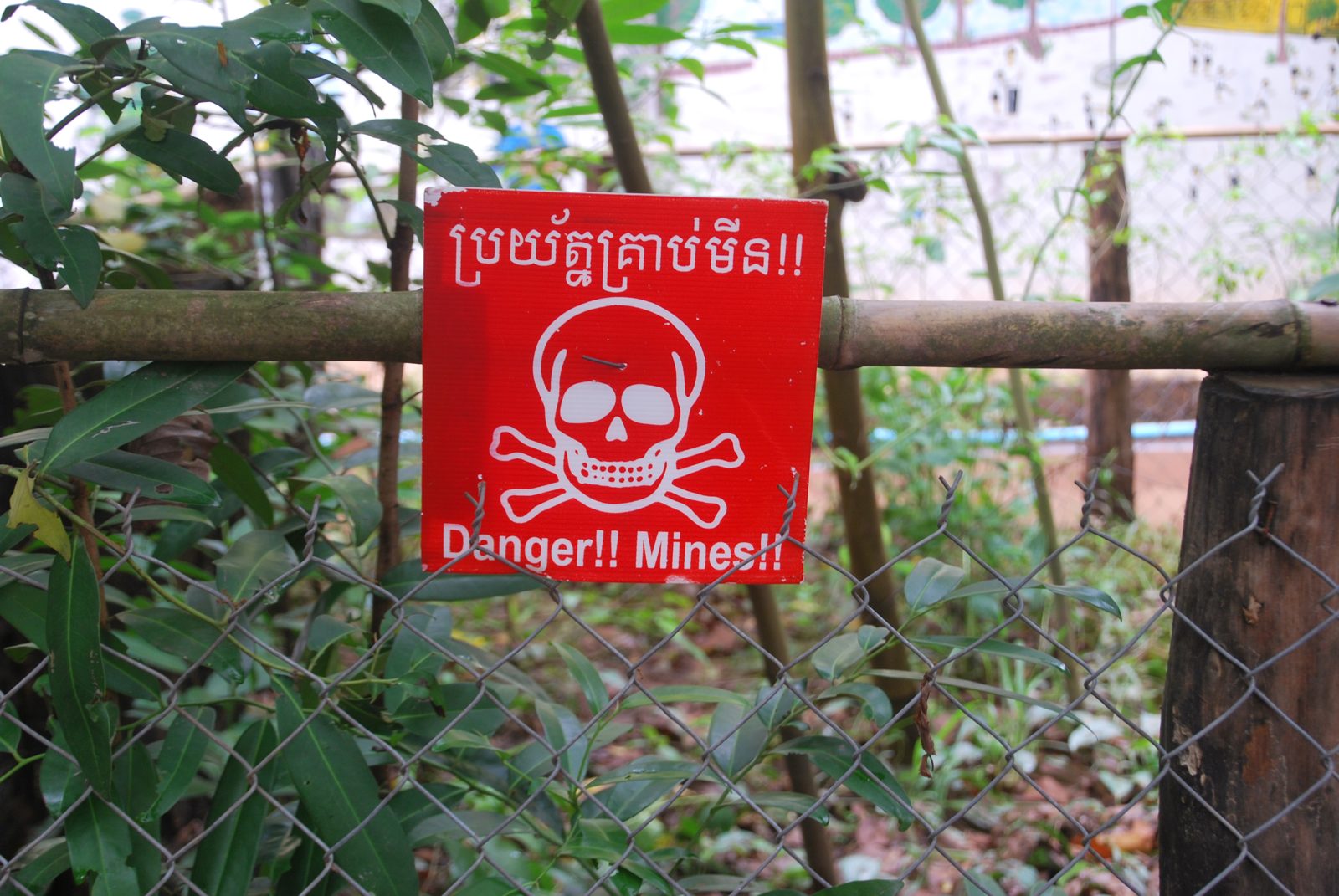
The Cambodia Landmine Museum was founded by Aki Ra, who as a child, in the Khmer Rouge era, was forced to be a soldier and to lay mines. He later removed more than 50,000 by hand.
Mines and explosive remnants of war still cause casualties in Cambodia: 49 in 2024 (12 killed and 37 injured) and 65,086 since 1979.
Some parts of the country are still mined: do not leave marked areas and paths, not even to frame a photo.
- Price
- US$7 for foreign adults and US$2.50 for Khmer adults; free for children under 13. Cash preferred.
- Hours
- Every day, 7:30 to 17:30.
- Getting there
- On the Banteay Srei road, in Siem Reap province; on this route, day 4.
- Tours
- Guided in Khmer or English, booked 48 hours ahead; there is also a self-guided audio tour by QR code.
Sources: museum website · checked on 15 Nov 2026. Casualties: Landmine Monitor, with data from the Cambodian Mine Action and Victim Assistance Authority (CMAA), updated on 28 Jan 2026. Mined areas: Spain’s Ministry of Foreign Affairs · checked on 15 Nov 2026.
Boat at Chong Kneas: Tonlé Sap at the official fare
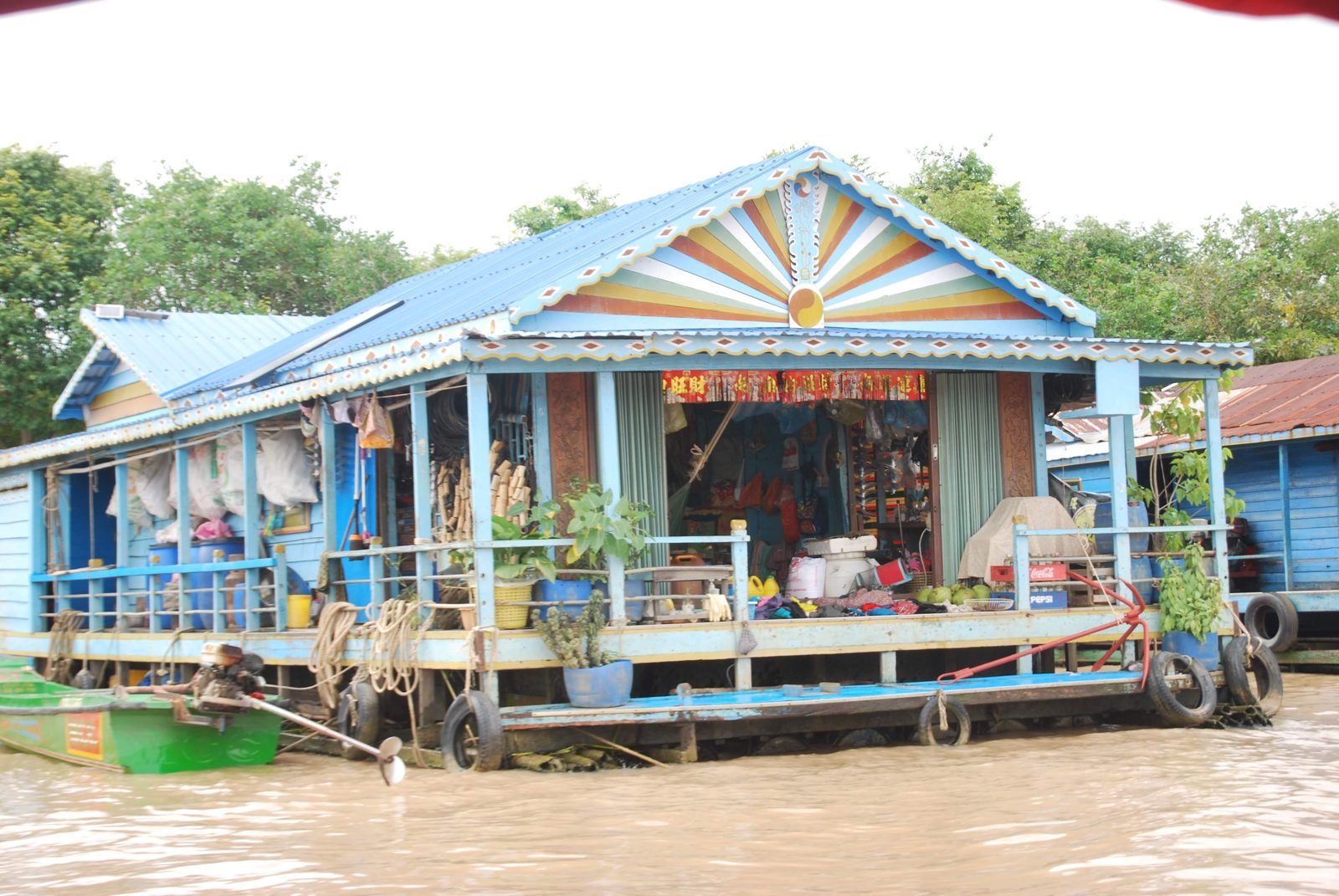
Tonlé Sap is the most extensive freshwater lake in South-East Asia, according to UNESCO. Aquaculture, fishing and agriculture, notably rice growing, are the main economic activities of its biosphere reserve.
At Chong Kneas, boats are paid for only at the official ticket counter, in cash or by KHQR; they are not sold online. Before booking, read the ethical guide to visiting Tonlé Sap and how the lake works and what its people live on.
- Price
- Small boat for international visitors: US$28 in total for 1 to 5 people and US$38 for 6 to 8.
- Hours
- The official website does not publish the counter’s hours. For sunset, it suggests leaving between 16:30 and 17:15.
- Getting there
- Ticket counter at Chong Kneas, 11.4 km from the city: about 25 minutes by tuk-tuk or taxi along Route 63.
Sources: Angkor Enterprise, Chong Kneas fares, and UNESCO · checked on 15 Nov 2026.
Before you plan
- The pass
- Sold only by Angkor Enterprise: website, app, kiosk, ticket office or guide. The 3-day pass needs a photo.
- Opening times
- Angkor Wat opens at 5:00, Preah Khan at 7:00, and the Bayon and Banteay Srei at 7:30. The park closes at 18:30.
- At night
- For sunrise, book the tuk-tuk the day before and go with company: Spain’s foreign ministry advises against travelling at night, especially alone.
- Season
- Driest from December to February; least hot in December and January. See Weather.
- The lake
- The Chong Kneas boat is paid for at the counter; it is not sold online.
Summary of the entries and of Logistics.
5-day itinerary through Siem Reap and Angkor
Suggested times, set to each site’s opening hours (our own suggestion); the number links to the entry.
Day 1 · Arrival and Siem Reap
- BeforeEntry formalitiesVisa and e-Arrival card, online before you fly: see Entering Cambodia.
- PMAngkor passOn the official website or at the office on Road 60, 4 km from the centre.
- PMA walk around central Siem Reap
Day 2 · Angkor Wat, the Bayon and Ta Prohm
Day 3 · Grand Circuit and sunset
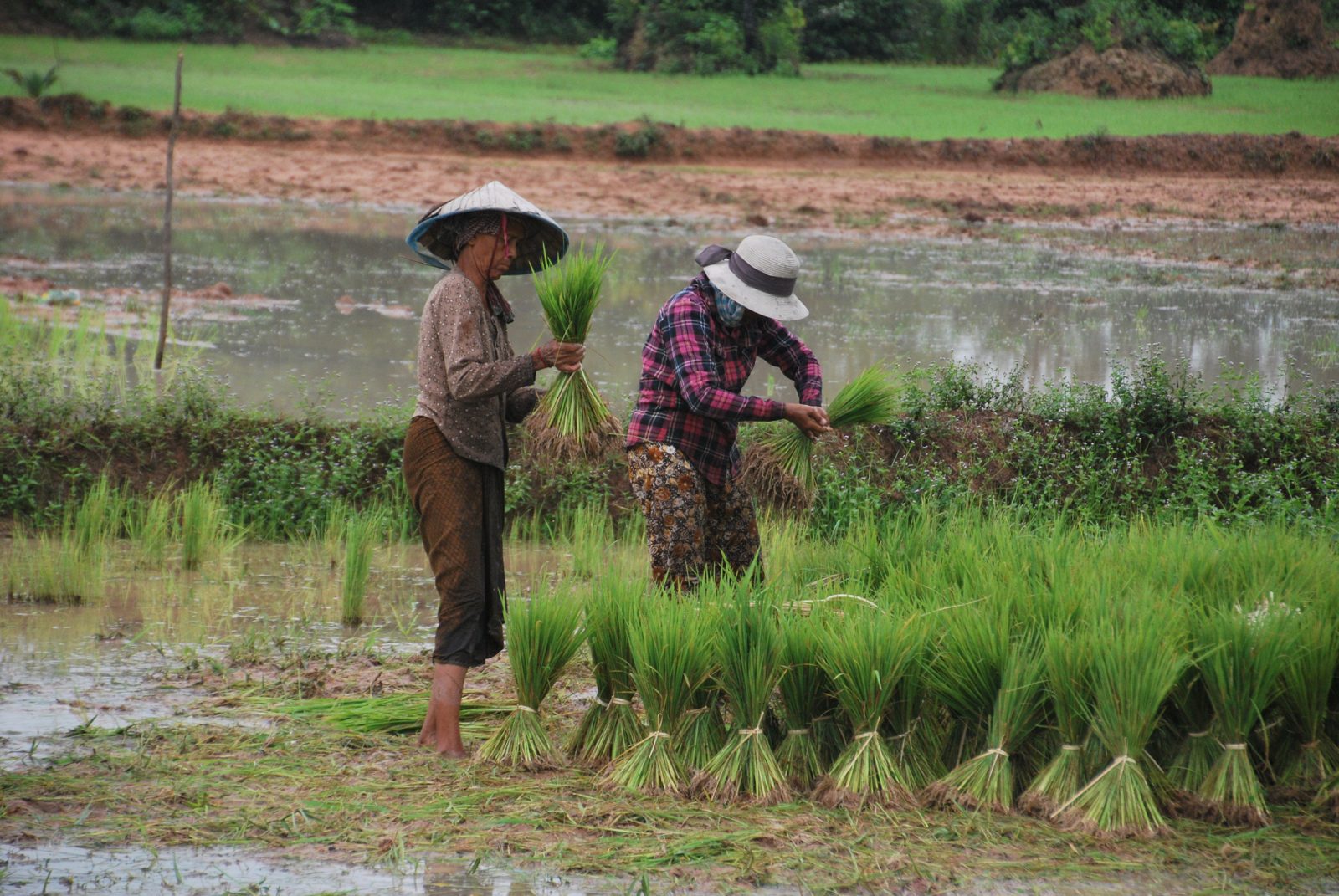
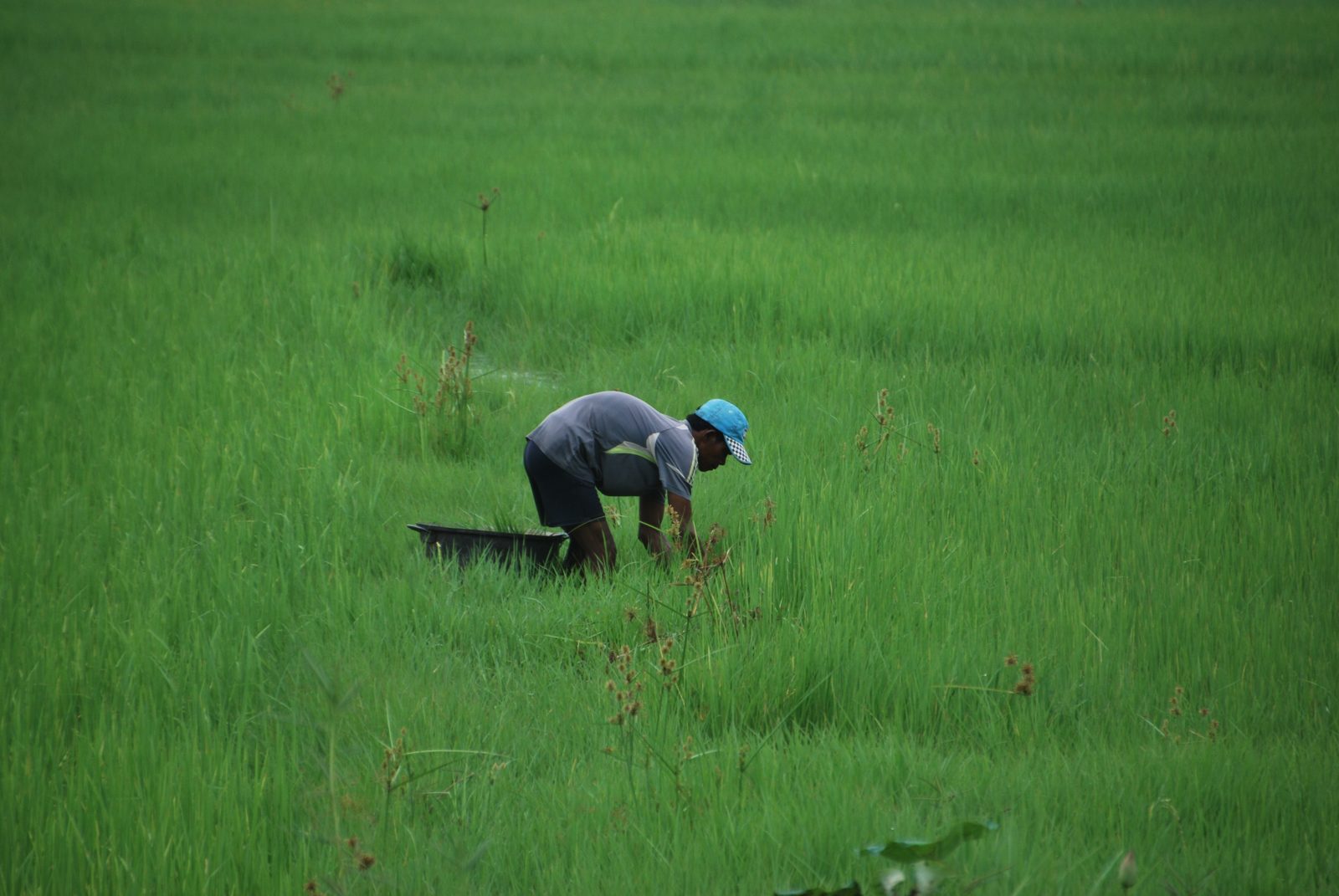
Day 4 · Banteay Srei, landmine museum and rice paddies
Day 5 · Tonlé Sap
- PM08Boat at Chong KneasFor sunset, leave between 16:30 and 17:15.
With a single day, the official website suggests the Small Circuit on the US$37 pass: Angkor Wat, Phnom Bakheng, the Bayon and Ta Prohm, among others. If you buy it for the next day after 16:45, you can enter that same evening for sunset. Kbal Spean (US$5), Beng Mealea (US$10) and Koh Ker (US$15) are not on the pass and have their own one-day tickets.
History in 3 facts: Angkor Thom
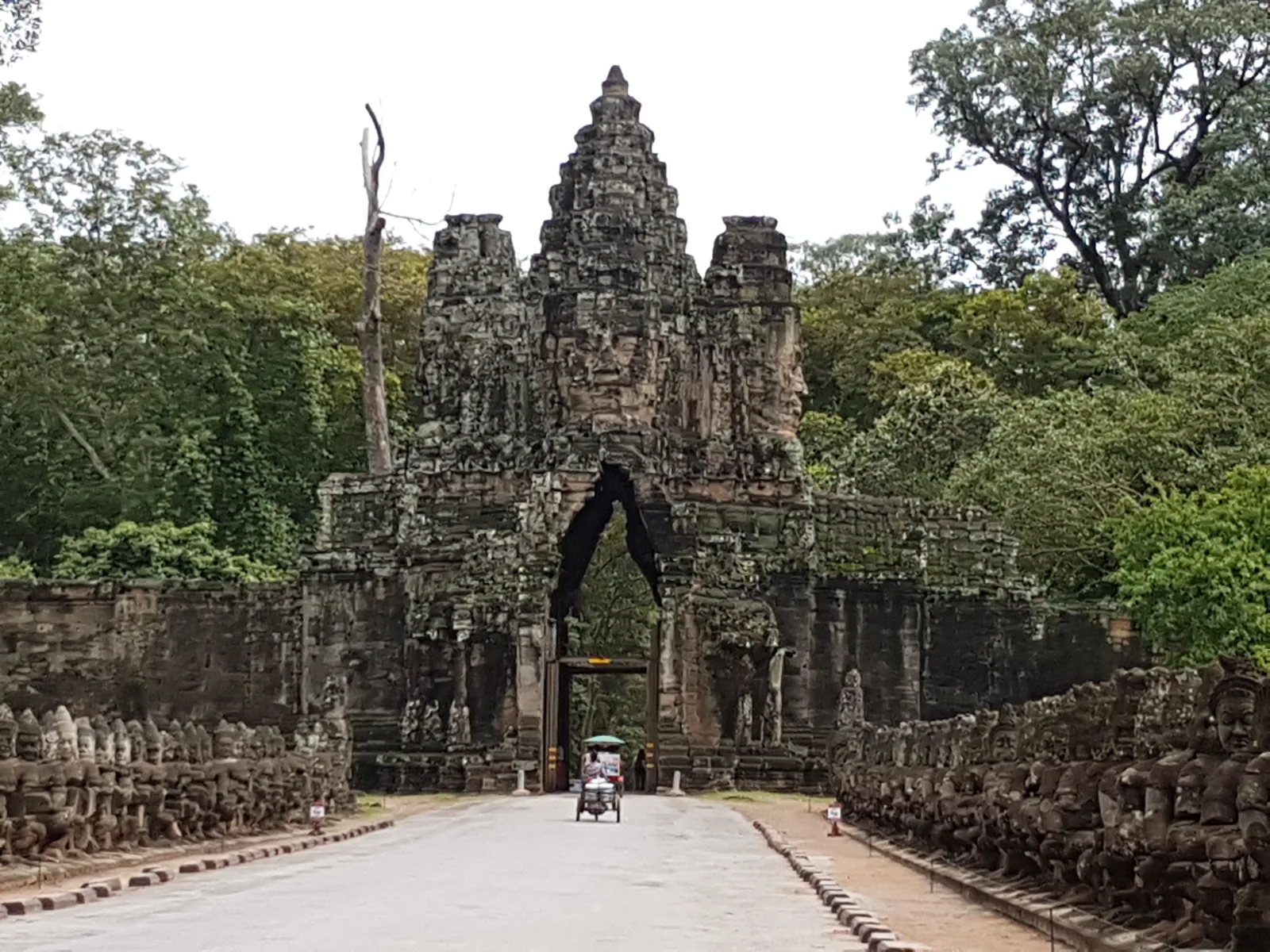
The Bayon entry explains that it stands at the centre of Angkor Thom, the capital of Jayavarman VII. Three more facts about the city:
- The last Khmer capital. Angkor Thom was the last and most enduring capital of the Khmer Empire. It was founded by Jayavarman VII in the late 12th century. Its walls, 8 m high and 3 km long on each side, enclose 9 km². (Wikipedia)
- 23 m towers over the gates. Above each gate in the walls stands a 23 m tower with faces like those of the Bayon, later additions to the main structure. They may represent the king himself, the bodhisattva Avalokiteshvara, guardians of the cardinal points, or a combination of these. (Wikipedia)
- Devas and asuras holding the naga. In front of each tower a causeway crosses the moat. Along it, a row of devas on the left and a row of asuras on the right hold a naga, as if in a tug-of-war. (Wikipedia)
Source: Wikipedia, linked in each fact · checked on 22 Nov 2026.
Logistics: pass, paperwork, transport, health and weather
The Angkor pass: how to buy it
- Buy it only from Angkor Enterprise: on its website, in its app, at a kiosk, at the ticket office or through a guide. Tickets bought elsewhere are not valid.
- For the 3-day or 7-day pass, have a photo ready: it is required for identification. The 1-day pass does not need one.
- If you go to the ticket office, it is on Road 60, 4 km from the centre of Siem Reap.
- Children under 12 do not need a ticket, but they may be asked for a passport as proof of age.
Angkor pass · 50+ temples5:00 → 18:30
- 1 day
- US$37
- 3 days · expires after 7
- US$62
- 7 days · expires after 30
- US$72
- Kbal Spean · separate
- US$5
- Beng Mealea · separate
- US$10
- Koh Ker · separate
- US$15
Source: Angkor Enterprise, tickets and prices and official website, with its FAQs · checked on 15 Nov 2026.
Entering Cambodia: passport, visa and arrival card
- Passport: valid, with at least 6 months’ validity from the date of entry.
- Visa: required, without exception. Spain’s foreign ministry recommends the electronic visa, at www.evisa.gov.kh, which only allows entry through certain border crossings. The visa on arrival, also available at Siem Reap airport, requires a passport photo and payment of fees: carry US dollars in cash. If you plan to get it on arrival, some airlines require a ticket out of Cambodia before boarding.
- Length of stay: the tourist visa is valid for one month and can be extended once, at the immigration office in Phnom Penh.
- Electronic arrival card: compulsory for all travellers since 1 Jul 2024, at arrival.gov.kh or in the ‘Cambodia e-arrival’ app. Fill it in before your flight leaves; if you could not, there are tablets for doing it on arrival at Phnom Penh and Siem Reap airports.
Source: Spain’s Ministry of Foreign Affairs (advice in force on 15 Nov 2026; last updated on 22 Jul 2026) · checked on 15 Nov 2026. These are the requirements for Spanish passport holders: check your own government’s travel advice. The e-visa fee, which could not be checked, is shown when you apply.
Park rules
In sacred places, shorts and skirts above the knee and bare shoulders are prohibited. Do not touch the carvings, sit on fragile structures or lean on temple structures, and do not move or take archaeological artefacts.
Backpacks, tripods, umbrellas with sharp tips and high heels are discouraged inside the temples. For the reliefs, a zoom lens lets you frame them from a distance without touching them (our own suggestion).
Angkor has been a smoke-free site since 2012. Ask permission before photographing a monk. Do not give money or sweets to children; if you want to help, donate to a recognised charity.
Source: Angkor Enterprise, visitor code of conduct · checked on 15 Nov 2026.
Getting there, getting around, sleeping and eating
- By air: Siem Reap-Angkor International Airport (SAI) is one of Cambodia’s three air border crossings, along with Phnom Penh (PNH) and Sihanoukville (KOS). None of the official sources consulted gives the distance or the price of the transfer to the centre: ask your accommodation before you land.
- By land from Thailand: Spain’s foreign ministry advises against all travel to the border areas with Thailand, including the land crossings, which remain closed, and especially to the Preah Vihear temple.
- Tuk-tuk: hire a driver for the whole day and agree the route and price before setting off (our own suggestion). Spain’s foreign ministry advises avoiding travel at night and in isolated areas, especially alone: for sunrise at Angkor Wat, book the tuk-tuk the day before and go with company.
- Car with driver: an option for Banteay Srei, 25 km from the main group of temples, and for the outlying temples.
- Motorbike: many rental services are forbidden from renting them to tourists. Driving requires an international, Cambodian or ASEAN-country licence; the ministry adds that riding motorbikes under 125 cc is allowed. Never leave your passport as a deposit.
- Where to stay: base yourself in Siem Reap; the pass office is 4 km from the centre. Keep an eye on your belongings and do not carry much cash: the ministry reports more bag snatching and theft from distracted visitors in tourist areas.
- What to eat: fish amok (freshwater fish steamed in banana leaf, with coconut milk), lok lak (stir-fried strips of beef, with rice and a lime and Kampot pepper sauce) and nom banh chok (rice noodles with green fish curry). Drink only bottled water, or water that has been boiled and filtered, and do not eat raw fish or fruit or vegetables that have not been peeled and washed with disinfectant.
Sources: Spain’s Ministry of Foreign Affairs and, for the dishes, the Embassy of Cambodia in London · checked on 15 Nov 2026.
Money: dollars in small notes
The riel is the official currency and it is forbidden to take riel into or out of the country, but paying in dollars is the norm. Carry low-denomination notes: US$50 and US$100 notes are hard to change, and many shops refuse dirty, creased or torn ones.
Check the dollars you are given, because counterfeit notes circulate. There are ATMs in the main cities and tourist spots, dispensing riel and dollars, and cards are increasingly accepted in tourist areas.
Source: Spain’s Ministry of Foreign Affairs · checked on 15 Nov 2026.
Weather: when to go
The two Spanish official sources do not agree on the rainy season: the Ministry of Health puts it from June to October, and the foreign ministry from July to November. The foreign ministry warns that floods are frequent in those months, with the Tonlé Sap basin among the most exposed areas, and that some parts of the country become impassable by road.
At the Siem Reap station, average rainfall is above 100 mm a month from May to October, peaking in September. From December to February it hardly rains, and December and January have the lowest highs of the year. For dry skies, December to February; for less heat, December and January (our own reading of these figures).
| Month | High | Rain |
|---|---|---|
| January | 30.9 °C | 4.3 mm |
| February | 32.3 °C | 3.8 mm |
| March | 34.6 °C | 41.3 mm |
| April | 34.8 °C | 47.5 mm |
| May | 35.3 °C | 143.0 mm |
| June | 32.7 °C | 194.9 mm |
| July | 32.8 °C | 169.9 mm |
| August | 31.8 °C | 169.7 mm |
| September | 31.9 °C | 305.2 mm |
| October | 31.3 °C | 227.0 mm |
| November | 31.6 °C | 61.8 mm |
| December | 30.7 °C | 7.4 mm |
Sources: World Meteorological Organization, with data from Cambodia’s Ministry of Water Resources and Meteorology; Spain’s Ministry of Health and Spain’s Ministry of Foreign Affairs · checked on 15 Nov 2026.
Health and safety
- Vaccines: none is compulsory, except yellow fever if you arrive from risk areas. The health authorities recommend those for tetanus, typhoid fever, Japanese encephalitis, hepatitis A and B, typhus and rabies. Consult a travel vaccination centre before you go (in Spain, the international vaccination centres).
- Mosquitoes: the ministry cites a high prevalence of dengue, malaria in some areas and cases of Zika, chikungunya and Japanese encephalitis: use repellent and clothing that covers your arms and legs, and with a high fever, chills or muscle pain see a doctor and do not self-medicate. According to Spain’s Ministry of Health (2019 data), the malaria risk is minimal in the Angkor Wat tourist area and nil around Tonlé Sap (Siem Reap).
- Insurance and hospitals: Cambodia’s health care is not comparable to European standards and private care is expensive. The ministry recommends insurance with broad cover and, after an accident or illness, considering a transfer to Thailand. In Siem Reap it names, without accepting responsibility for the recommendation, the Royal Angkor International Hospital (National Road 6) and the Khmer-China Hospital (24-hour emergency department).
- Heat: in Siem Reap, the ministry advises staying well hydrated and using sun protection.
- Consular assistance (Spanish nationals): Spain has no resident embassy in Cambodia. The accredited one is in Bangkok, and the French Embassy in Phnom Penh represents Spain for consular purposes; there is also an honorary consulate in Phnom Penh, by appointment. The consular emergency number, only for Spanish nationals in an emergency, is +66 818 687 507. Before leaving, register with the Registro de Viajeros (Spain’s travellers’ register).
- Laws: drug use and trafficking, including cannabis, are prohibited, with penalties from 10 years to life imprisonment. Trafficking in antiquities and archaeological pieces is also a criminal offence: do not buy them.
Sources: Spain’s Ministry of Foreign Affairs and Spain’s Ministry of Health · checked on 15 Nov 2026.
Sources
- Angkor Enterprise: official website and FAQs, tickets and prices, Chong Kneas boat, visitor code and the pages for Angkor Wat, the Bayon, Preah Khan, Phnom Bakheng and Banteay Srei · official · pass, hours, rules, boat and temple history · checked on 15 Nov 2026
- Cambodia Landmine Museum · museum website · hours, admission, tours and founder · checked on 15 Nov 2026
- Spain’s Ministry of Foreign Affairs (advice in force on 15 Nov 2026; last updated on 22 Jul 2026) · official · entry to Cambodia, transport, safety, health and money · checked on 15 Nov 2026
- Spain’s Ministry of Health · official · rainy season and malaria (2019 data) · checked on 15 Nov 2026
- Cambodia e-Arrival and e-visa · official · paperwork · checked on 15 Nov 2026 (the e-visa website could not be opened)
- World Meteorological Organization · official · weather by month · checked on 15 Nov 2026
- UNESCO · official · Tonlé Sap Biosphere Reserve · checked on 15 Nov 2026
- Landmine Monitor · international monitor, with CMAA data · landmine casualties · checked on 15 Nov 2026
- Embassy of Cambodia in London · official · dishes · checked on 15 Nov 2026
- Wikipedia: Angkor Thom · encyclopaedia · founding, walls, gate towers and causeways · checked on 22 Nov 2026
No official source found for: the hours of Ta Prohm, Neak Pean, Ta Som, East Mebon and Pre Rup, the hours of the Chong Kneas ticket counter, and the airport transfer to the centre. Each entry says so.
More travel photography at @vidaiatzen.
