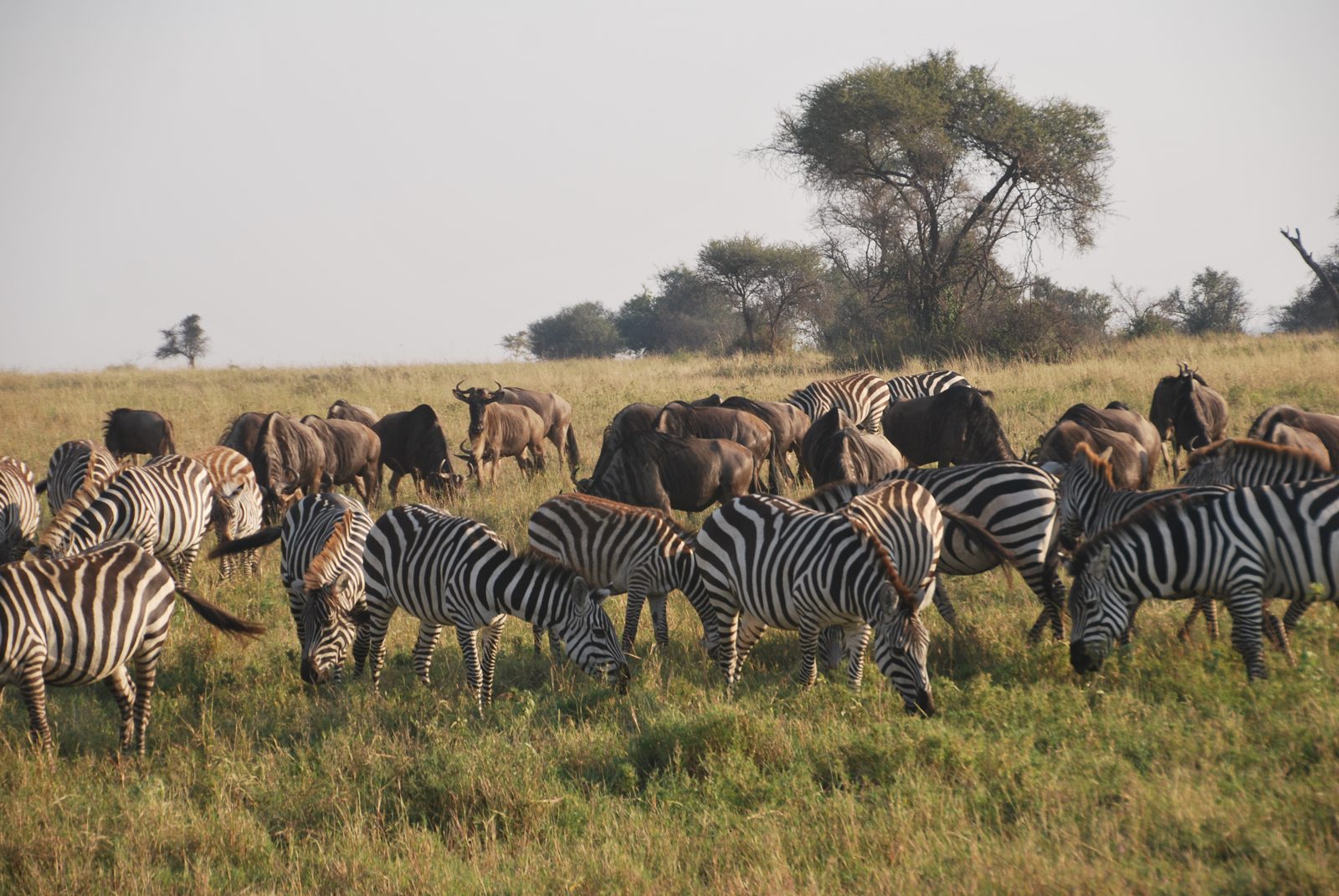
Just before dawn in the Serengeti there is a moment when the world holds its breath. The sky shifts from deep indigo to toasted amber and, for a few seconds, everything stays perfectly still.
Then the first call echoes across the plain and the day begins.
The Serengeti at dawn
Tanzania is much more than a photography trip, or a place visited once to tick off a list: it invites you to look more calmly.
No photograph, however sharp the lens, captures its scale. On the great plains the horizon barely changes: grass, sky and, now and then, an acacia that breaks the line between the earth and the clouds.
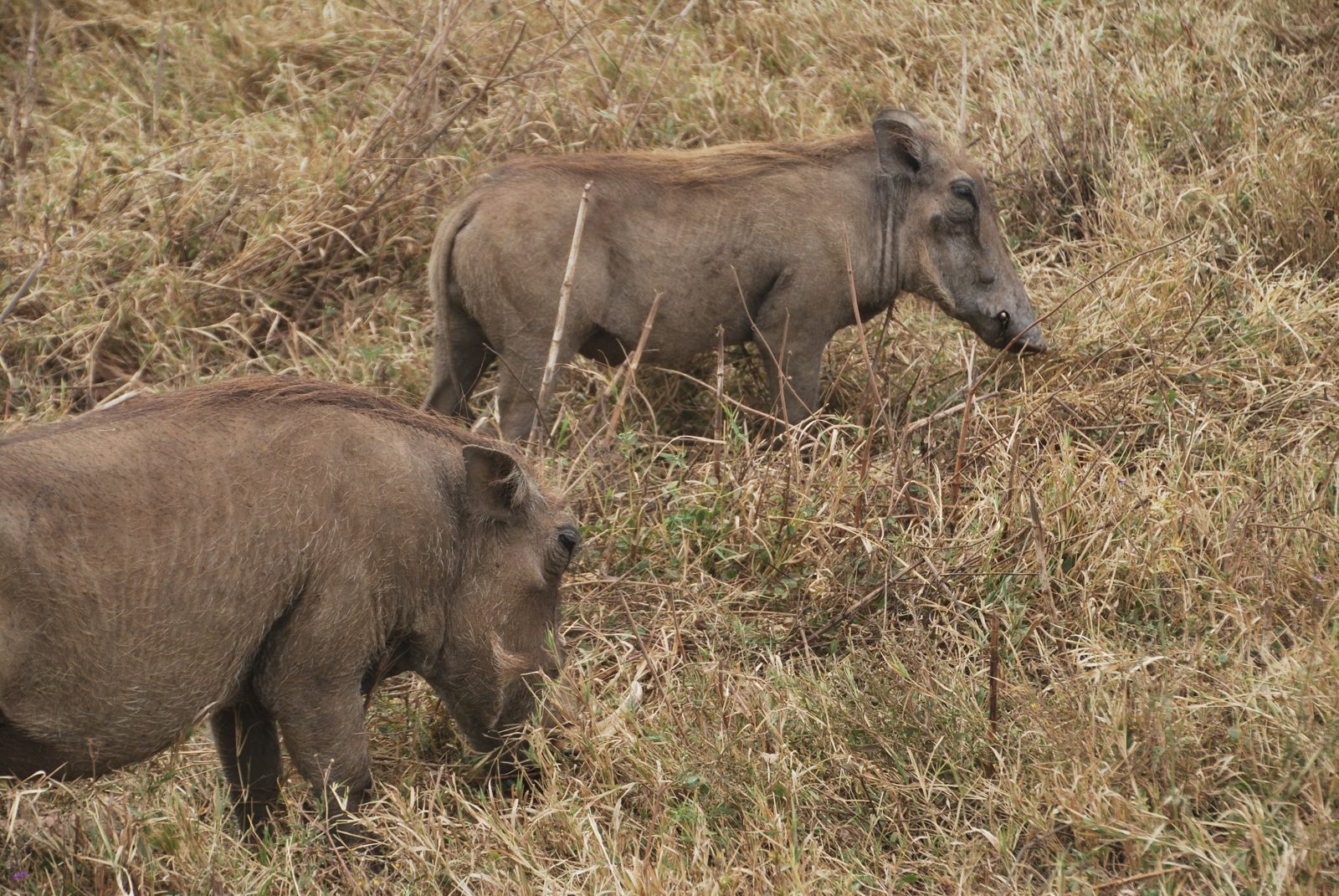
Wildlife up close
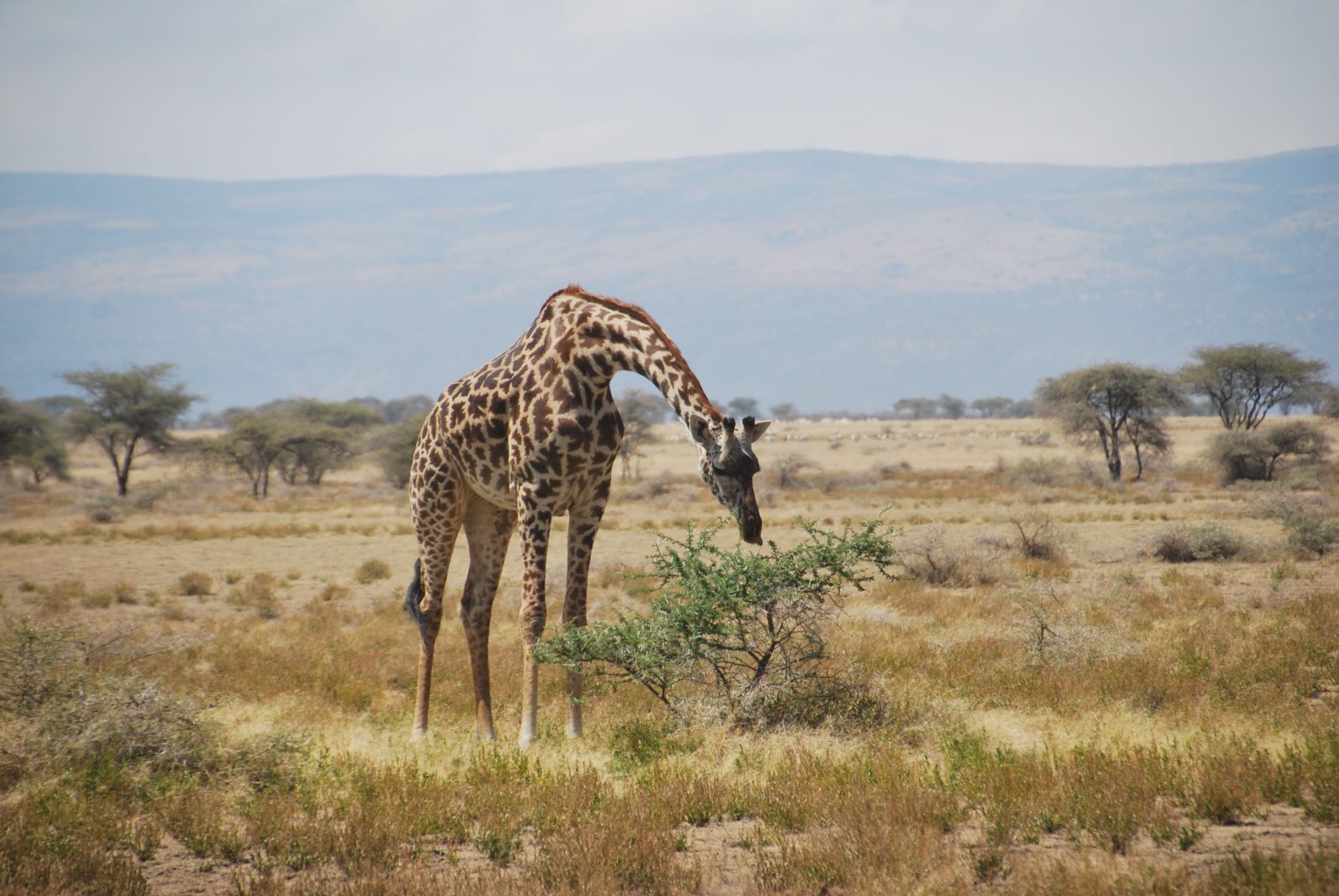
The wildlife here does not perform for the visitor. According to Panthera (checked 19 Oct 2026), leopards often haul their kills up into trees so that other carnivores, especially hyenas, cannot steal them. Lions yawn and turn away as the vehicle passes slowly.
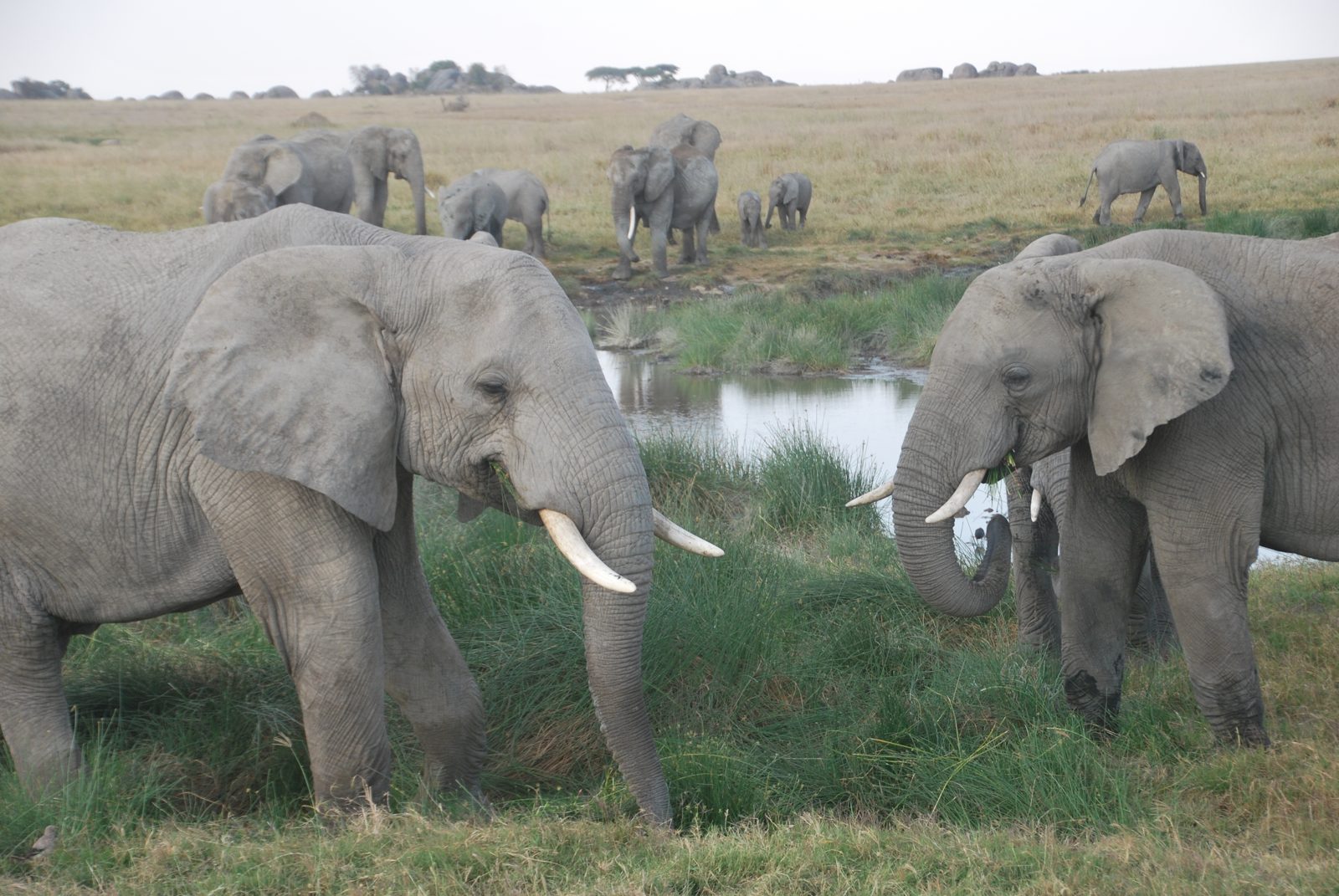
Elephants cross the road with the quiet authority of those who know they were here first, because they were.
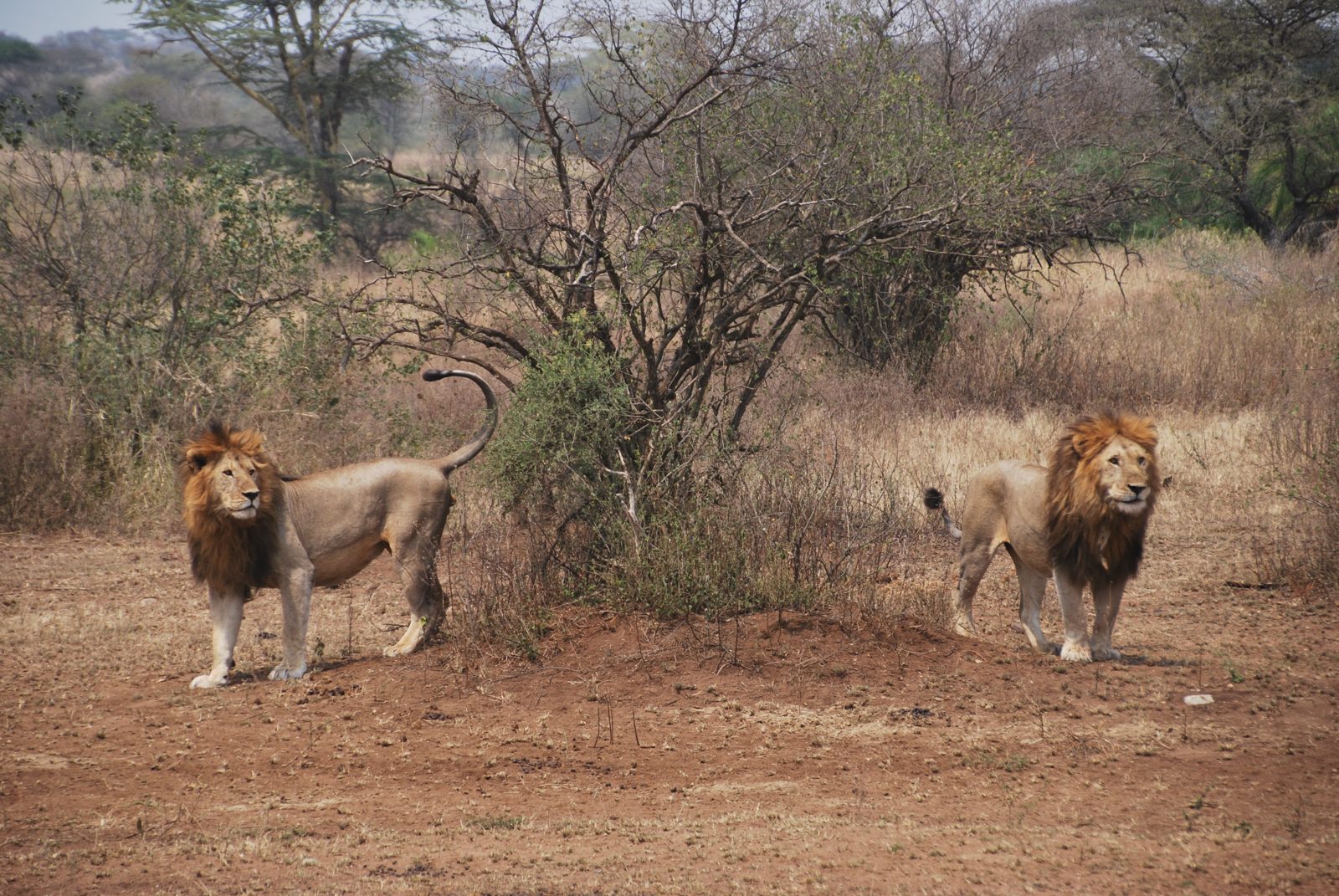
Photographing wildlife teaches, above all, patience. Often you have to wait a long time for a single instant: the flick of an ear, the turn of a head, the split second when predator and prey lock eyes. According to TANAPA (checked 19 Oct 2026), during safaris you must stay in the vehicle unless the guide allows otherwise, must not feed or disturb the animals and must not leave the tracks without express authorisation; in addition, the use of drones is restricted and requires special permits.
The people behind the plains
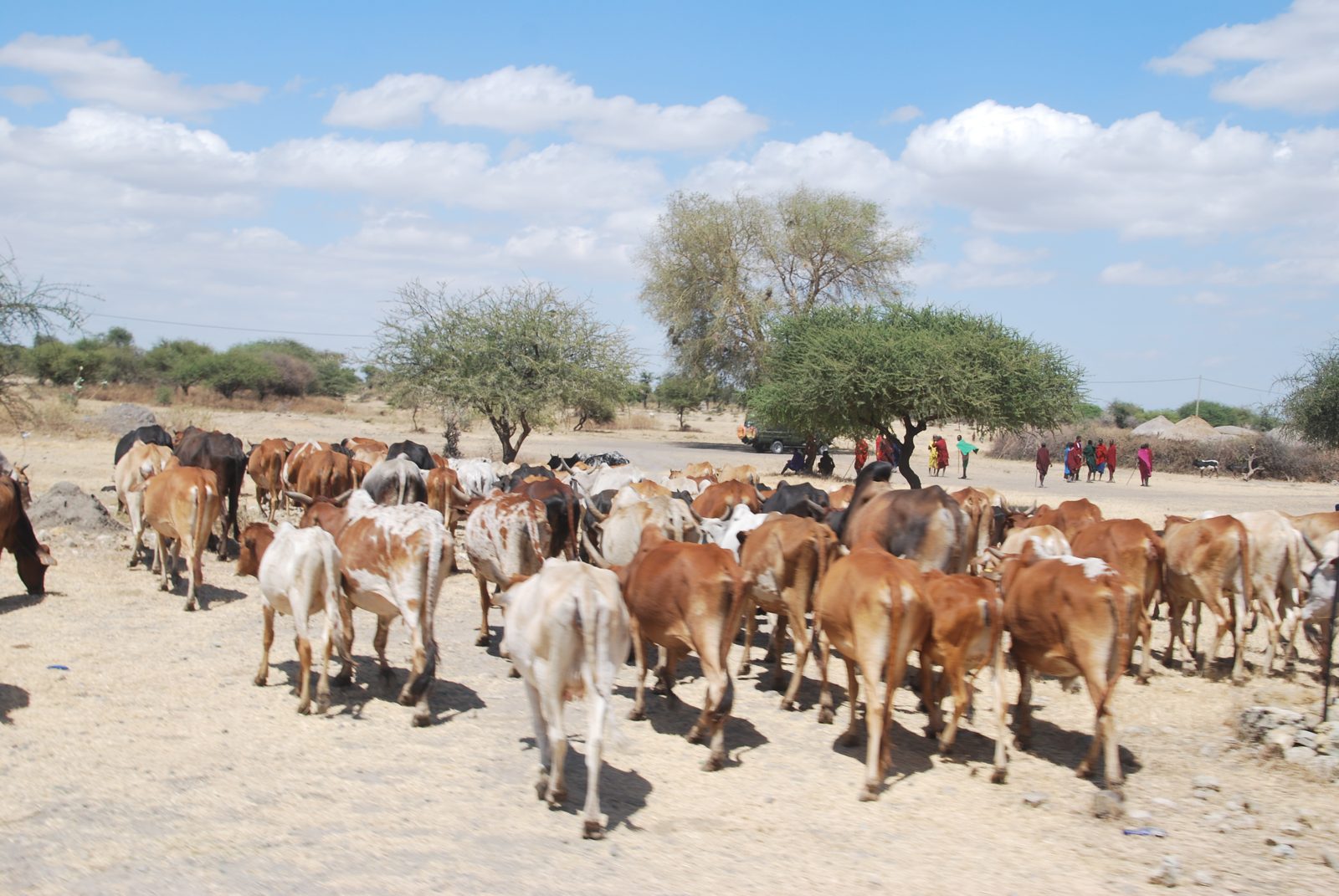
Safari tourism in Tanzania revolves around the animals, but the country is also its people: Maasai communities, traders in the markets of Arusha and guides who know the terrain and the wildlife.
Before photographing a person, it is best to ask permission. According to the Ngorongoro Conservation Area Authority (NCAA, checked 19 Oct 2026), photographing local residents is prohibited there except in the designated “Cultural Bomas”. The Ministerio de Asuntos Exteriores (Ministry of Foreign Affairs) also points out that sharing images that cause public alarm is a criminal offence and that checks of electronic devices have been reported.
When the stars take over
If by day Tanzania revolves around the animals, by night it revolves around the sky. Far from the cities and their lighting, the stars are seen far more sharply and, on a clear, moonless night, the Milky Way is visible to the naked eye. It is best to photograph it near your accommodation and following the staff’s instructions, because there may be wildlife roaming free around you at night.
Practical information
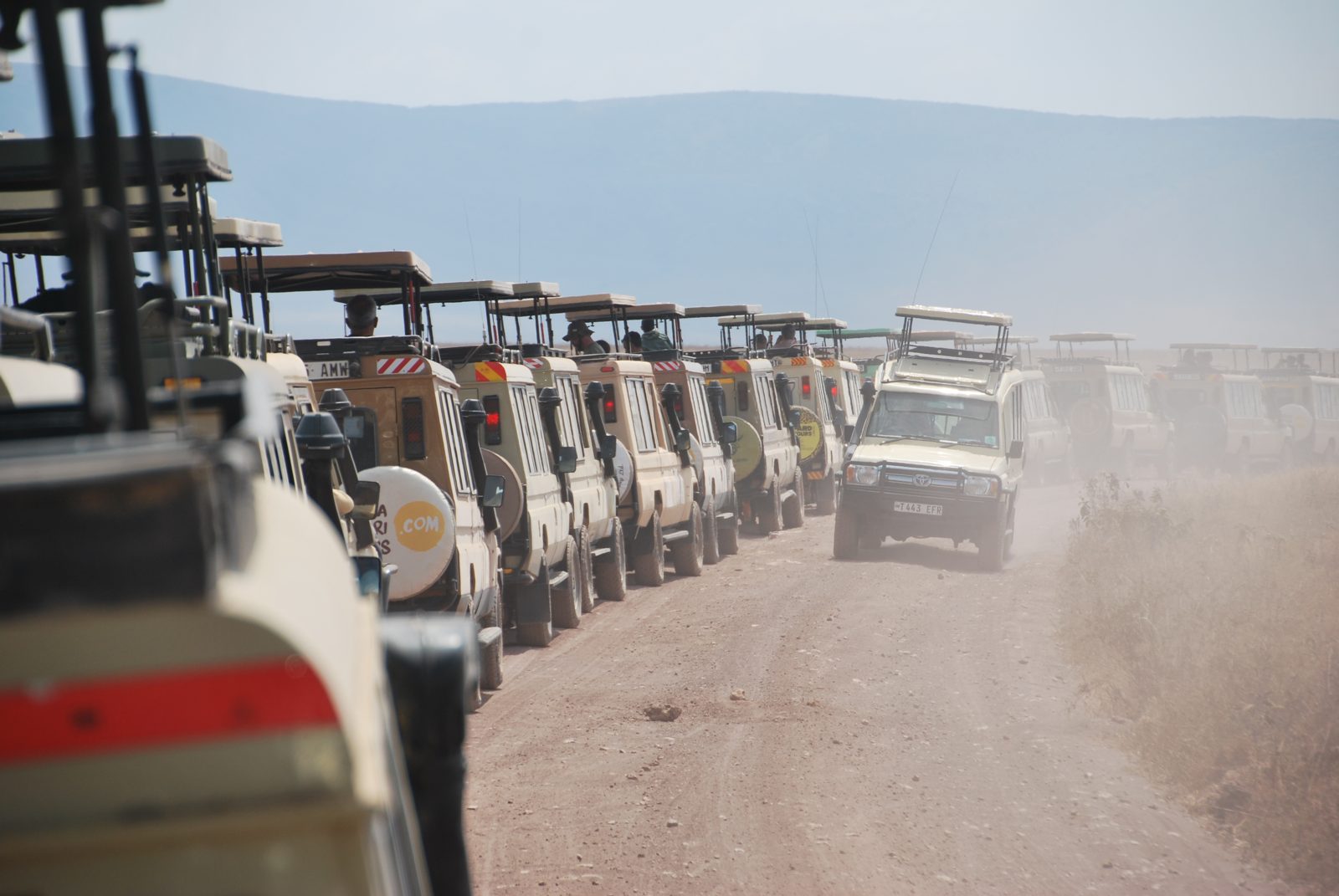
- Camera gear (suggestion): for a safari like this, it usually helps to bring a DSLR or mirrorless camera with a zoom telephoto lens for the wildlife, a fast wide-angle lens and a tripod for the stars, and lens-cleaning wipes to clean off the dust from the tracks.
- Best time to go: according to TANAPA (checked 19 Oct 2026), the dry season (June to October) is the best time to see the migration, and the calving season runs from January to February. The herds move around throughout the year and are not in the same place on every date, so it is worth asking the operator where they are on the days of your trip.
- Getting around: TANAPA recommends using licensed operators and notes that driving yourself is allowed in many parks with suitable vehicles, after first checking the condition of the tracks, the opening hours of the gates and the rules (checked 19 Oct 2026). In Ngorongoro Crater, according to the NCAA, every visitor must be accompanied by a licensed guide or an official NCAA guide. In Tanzania people drive on the left, and Exteriores advises against driving at night outside urban areas.
- Budget tip: according to TANAPA, entry fees vary by park and by the visitor’s residence; check the current ones on the official website of each authority (NCAA tariffs for Ngorongoro). On a group safari the cost of the vehicle and the guide is shared among more people; compare quotes from several licensed operators.
Booking a Tanzania safari
Before booking, check the entry requirements. According to the Ministerio de Asuntos Exteriores (last updated 20 Oct 2026, checked 3 Nov 2026), Spanish citizens need a visa, which can be processed on the official Tanzania immigration portal or on arrival (US$50 for a tourist visa valid for up to 90 days); the passport must be valid for at least six months and have three blank pages, and compulsory travel insurance is required to enter mainland Tanzania (US$44, valid for a maximum of 92 days, from 1 Oct 2026); Zanzibar has also required compulsory travel insurance of its visitors since 1 Oct 2024, so confirm on the Exteriores page how and where to take it out. Because of the Ebola outbreak in the Democratic Republic of the Congo, Tanzania’s Ministry of Health requires all travellers to complete the online Traveller’s Health Surveillance Form at afyamsafiri.moh.go.tz, before arriving or on arrival (one per person, children included; the portal accepts it from 24 hours before arrival), and to show the QR code or reference number from the confirmation at the health check on arrival (Travel Advisory No. 18 of 17 Oct 2026, checked 3 Nov 2026). Exteriores also warns of scams involving safaris booked online or by phone with companies that have no legal registration, and advises booking only with well-known, reputable companies. TANAPA advises booking in advance for the busiest months (checked 13 Nov 2026).
Going on safari? Read this first
- What to pack for a photographic safari in Africa — a gear guide, from the telephoto lens to dust protection.
- Travel photography gear — what to take and what each piece is for.
Health and sources: according to the Ministerio de Asuntos Exteriores, there is a risk of malaria and dengue in Tanzania; before travelling, consult the Tanzania country sheet of the Ministerio de Sanidad (Ministry of Health) and go to an international vaccination centre. The rules, dates and requirements in this guide were checked on 19 Oct 2026 against the linked official sources and may change: confirm them before booking.
Want to see more? Follow @vidaiatzen on Instagram for more travel photography or get in touch to ask about photo licences and collaborations.
