
Romania · between the Bucovina frescoes and the Dracula of Bran
Eight churches in Bucovina, in northern Romania, have frescoes on their outer walls and are on UNESCO’s World Heritage List.
By Ander BilbaoOwn photosPublished 4 min read
Before you go
- Churches
- 8 on the UNESCO list: Voroneț, Humor, Moldovița, Sucevița and 4 more
- Visiting them
- Hours, fees and photo rules: no official source found
- Bran · opens
- 9:00; on Mondays, 12:00
- Last entry
- 19:00 from 1 Apr to 30 Oct; 18:00 from 1 Nov to 31 Mar
- Bran · tickets
- 100 lei adults, 40 lei ages 5–17 (prices as of 15 Nov 2026; the website lists them by season)
- Getting to Bran
- Bus from Brașov Bus Station No. 2 (every 30 min on weekdays, hourly at weekends), about 50 min; it stops in the centre of Bran, near the castle’s main entrance
Facts checked on 15 Nov 2026 with UNESCO (churches) and Bran Castle’s official website (hours, tickets and bus).
Photographs by the author, taken with a Nikon D60 and a Nikkor 18-55 mm lens on 24 and 27 April 2011, according to their EXIF data, which holds no location. Bran’s details come from the castle’s official website, and the churches’ from UNESCO and the G. Oprescu Institute of Art History (Romanian Academy); sources are listed at the end. About me
The painted churches of Bucovina: frescoes on every façade
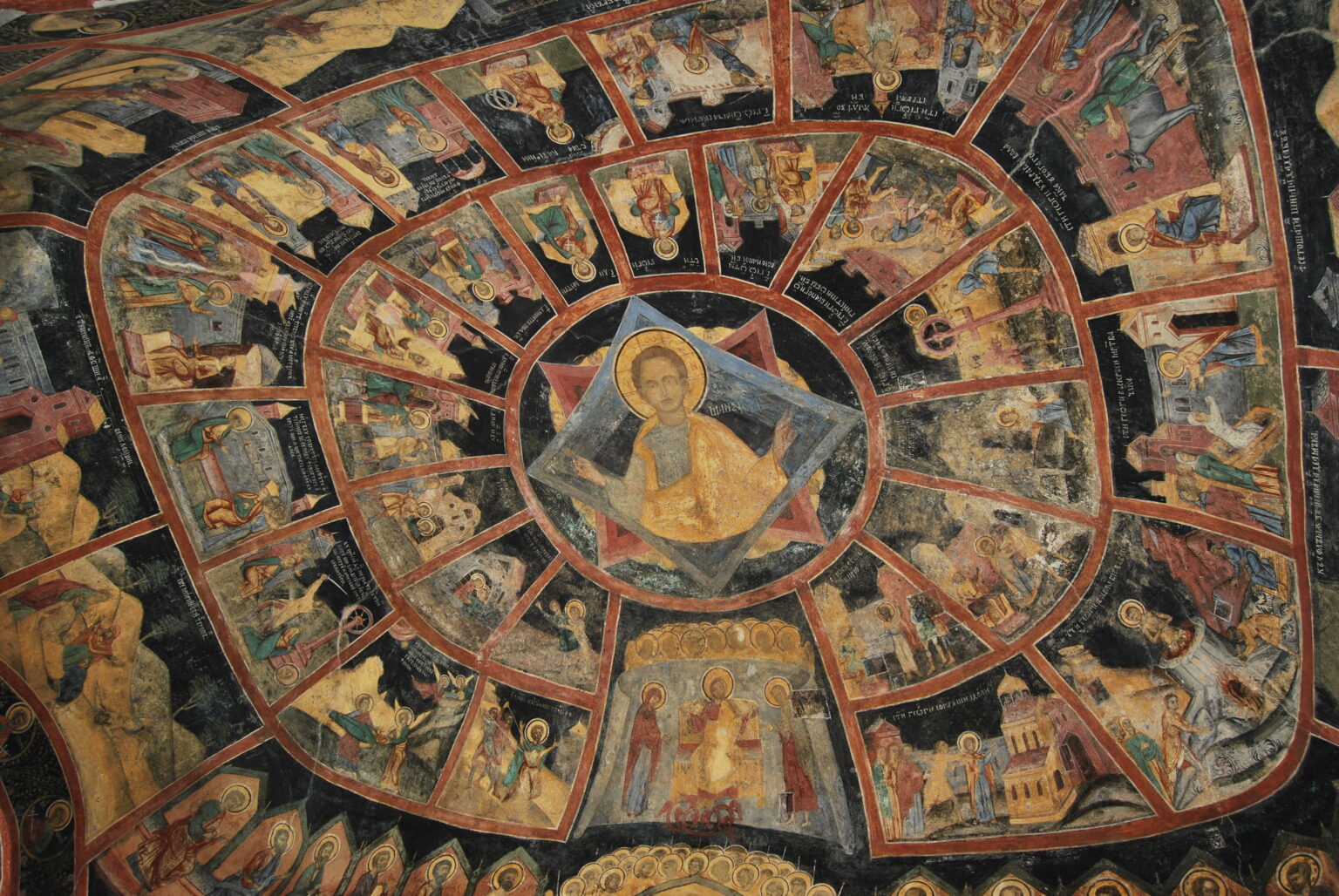
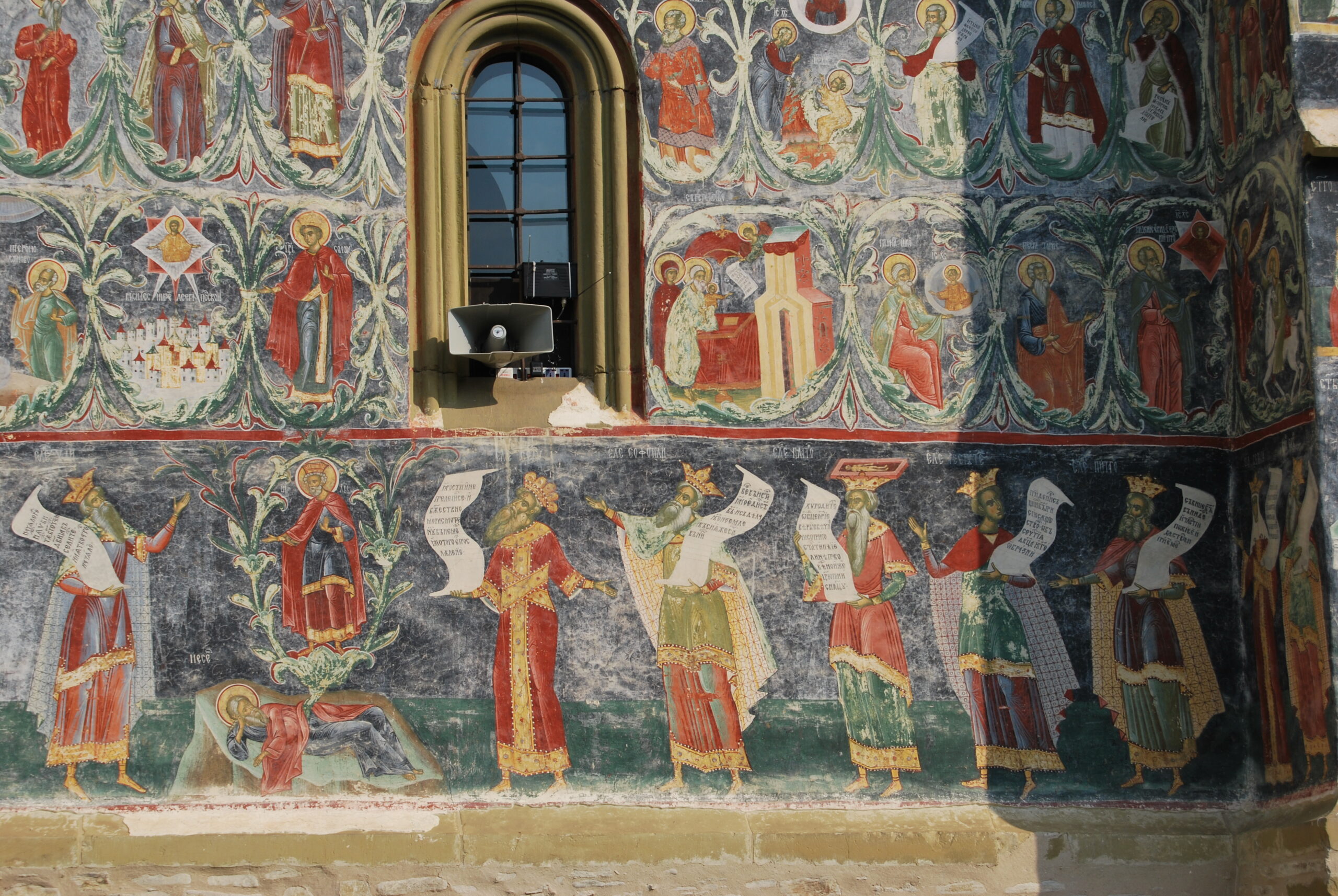
There are eight Orthodox churches, built between the late 15th and the late 16th century: Arbore, Humor, Moldovița, Pătrăuți, Probota, St George’s in Suceava, Sucevița and Voroneț. UNESCO listed seven of them in 1993 as the Churches of Moldavia and added Sucevița in 2010.
UNESCO describes them as unique in Europe: the paintings cover every façade with complete cycles of religious themes, and the churches are particularly well preserved.
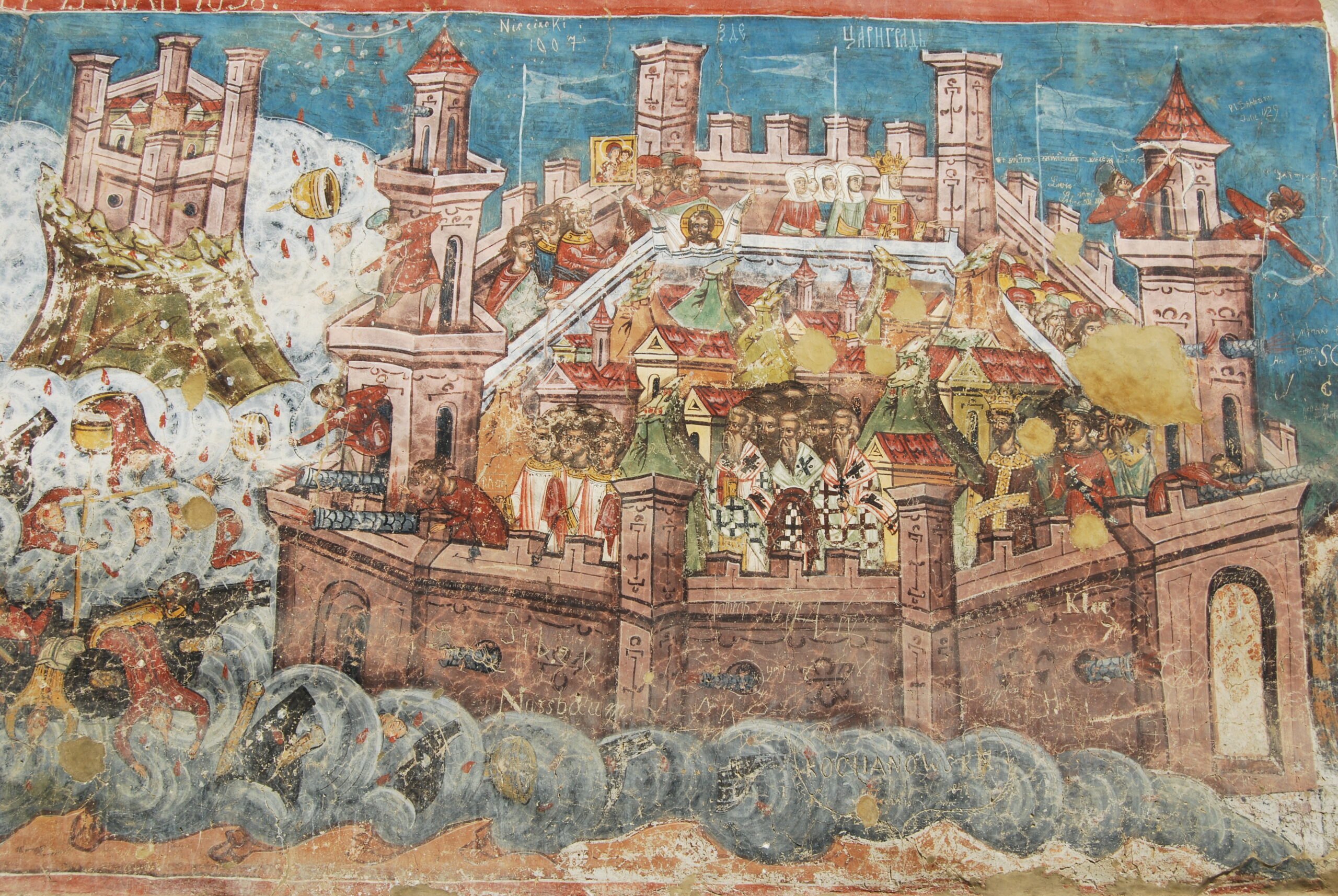
At Moldovița, as at Arbore, Humor and Probota, the cycle of the Akathist Hymn to the Virgin ends with the Siege of Constantinople. Some scholars see that scene as the key to all of Moldavia’s exterior painting, with a militant, anti-Ottoman character; others, without denying it, also see in it a reaction to the Protestant movements in Europe.
The siege at Moldovița, whose frescoes date from 1537, is the best preserved: behind the walls, the emperor, the patriarch and the people carry the icons of the Virgin and of the face of Christ in procession to defend the city.
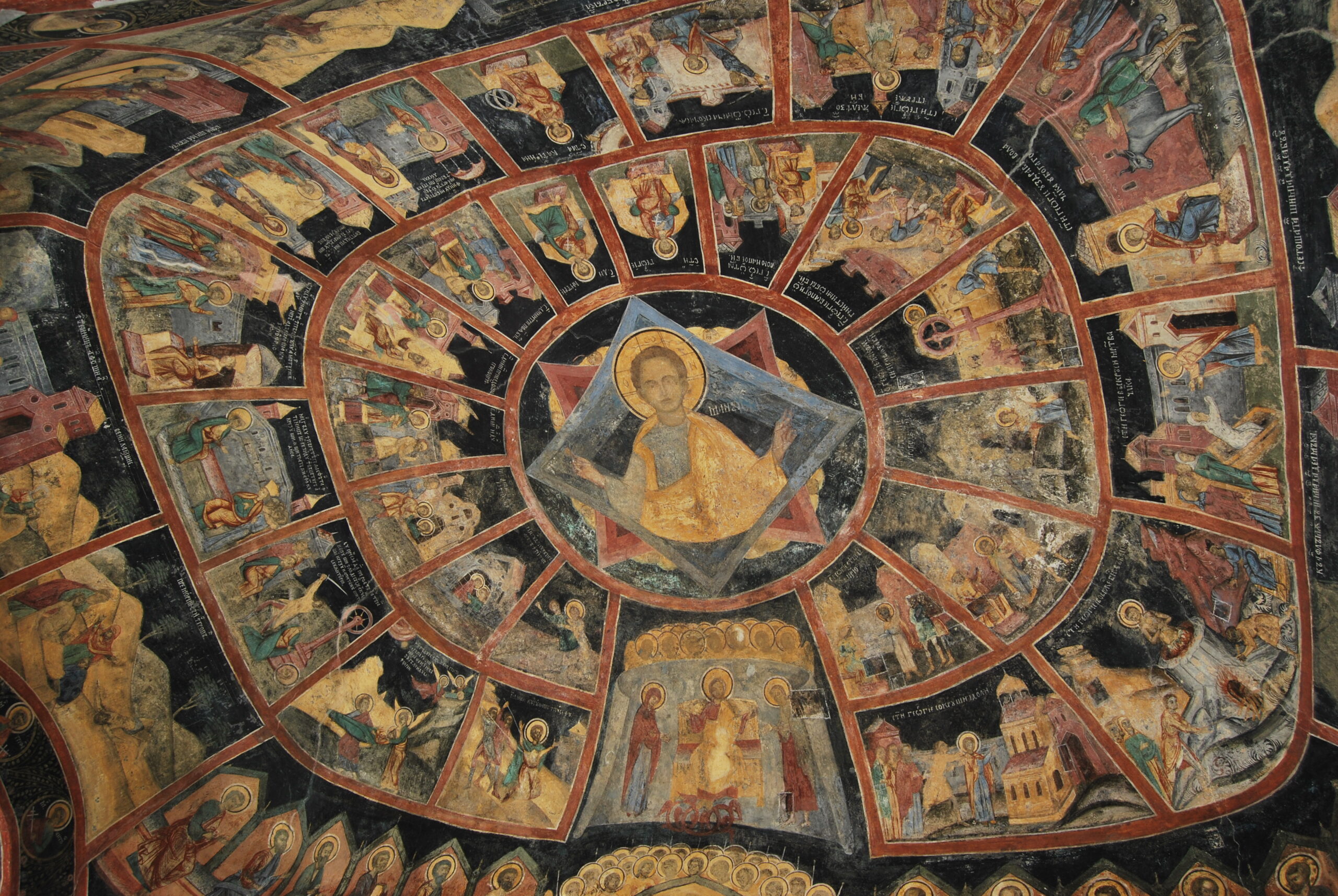
Sucevița is, according to UNESCO, the only church in the group with the Ladder of St John Climacus: monks climbing, demons pulling at their feet.
Bran Castle: what its official website says about Dracula
It stands in Transylvania, 30 km from Brașov, and its construction was completed in 1388. According to its website, the whole world calls it Dracula’s Castle because it is the only castle in Transylvania that matches Bram Stoker’s description.
The same website says it is not known whether Vlad Țepeș, the Impaler, a 15th-century ruler of Wallachia, ever conquered it: no written document attests to it. It does seem, though, that he was held prisoner there for two months in the autumn of 1462.
Stoker, who published Dracula in 1897, never visited Romania. He is suspected of basing his count’s castle on an illustration of Bran.
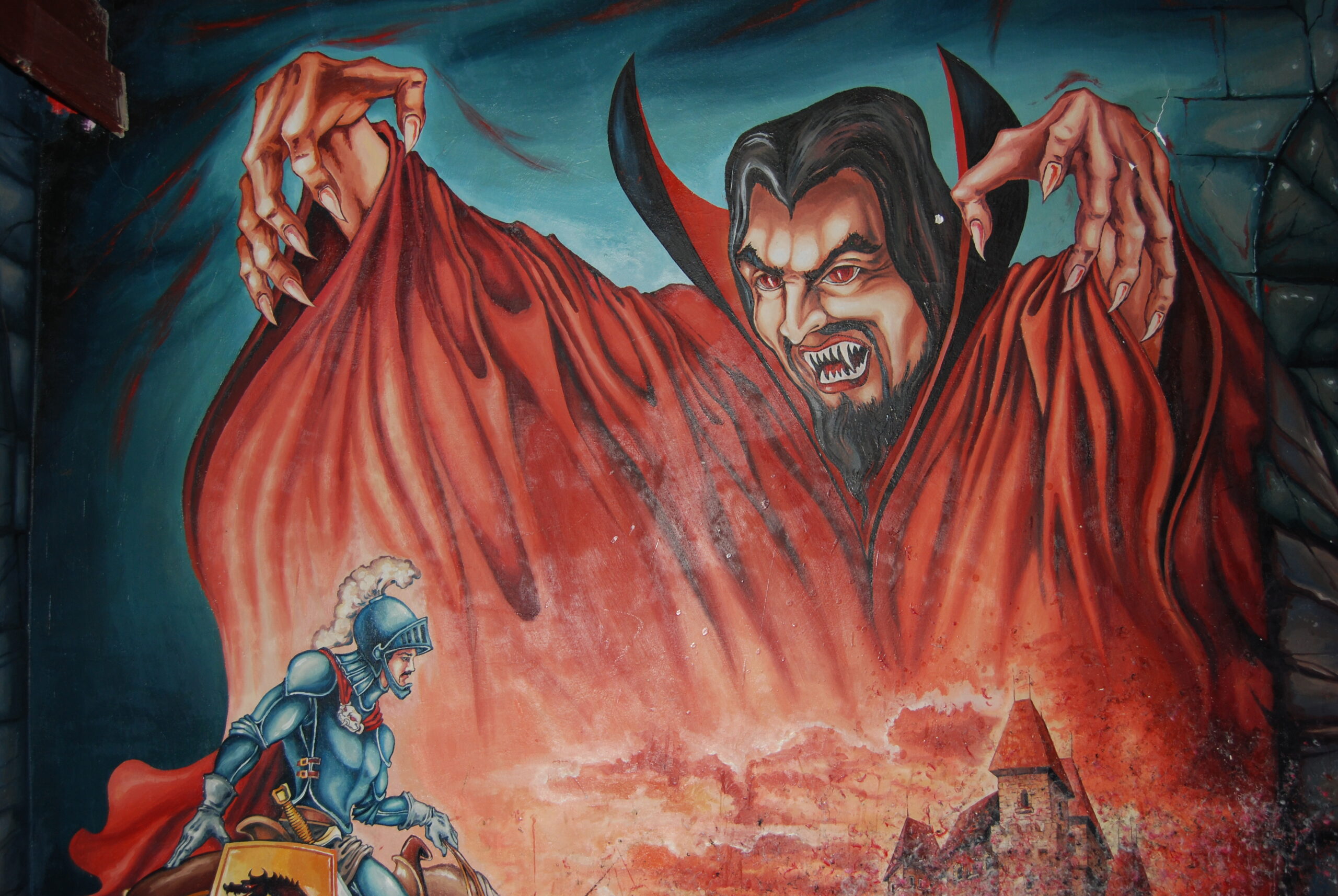
Photographing the frescoes: light and rules
- Exterior frescoes: best before 11 a.m., when the low sun rakes across the wall and brings out the texture of the paint; later the light flattens (our own suggestion).
- Inside the churches: no official source with photo rules was found; ask before you take out the camera. If it is allowed, skip the flash and use a high ISO and steady hands (our own suggestion).
- Bran: the access rules on the castle’s official website ban the use of drones or professional filming equipment without prior approval; they say nothing about photos taken with a camera or phone. To arrive at opening time, the hours are under Before you go.
Sources
- UNESCO, property 598, Churches of Moldavia · official · the eight churches, their dates, the 1993 listing and the 2010 extension, the painted façades and the Ladder at Sucevița · checked on 15 Nov 2026
- Bran Castle: plan your visit, terms of service, Count Dracula and historical chronology · official website · hours, tickets, bus, drones and filming equipment, construction, Vlad Țepeș and Stoker · checked on 15 Nov 2026
- Tereza Sinigalia and Vlad Bedros, “Mănăstirea Moldovița”, repertory of 16th-century mural painting of the G. Oprescu Institute of Art History (Romanian Academy) · academic · the Siege of Constantinople and the date of the Moldovița frescoes · checked on 15 Nov 2026
No official source found for the hours, fees, photo rules or dress rules of the Bucovina churches, or for how to reach them.
