There’s a corner of northern Thailand where the temples are white instead of gold, the houses are black instead of teak, and three countries share a single bend of the Mekong. Chiang Rai is the quiet older sister of Chiang Mai — slower, stranger, and far more rewarding for anyone travelling with a camera.
Why Chiang Rai deserves your week
Most travellers fly into Bangkok, do a couple of days in Chiang Mai, and call that «the north». They miss the most photogenic province in Thailand. Chiang Rai sits in the far north, hugged by Laos to the east and Myanmar to the west, and its landscape is a slow drift of jade hills, river valleys and contemporary temples that look like science-fiction film sets.
You can do the highlights in three days. Five days lets you breathe. A week turns it into one of those trips you keep referencing for years.
Wat Rong Khun · the White Temple
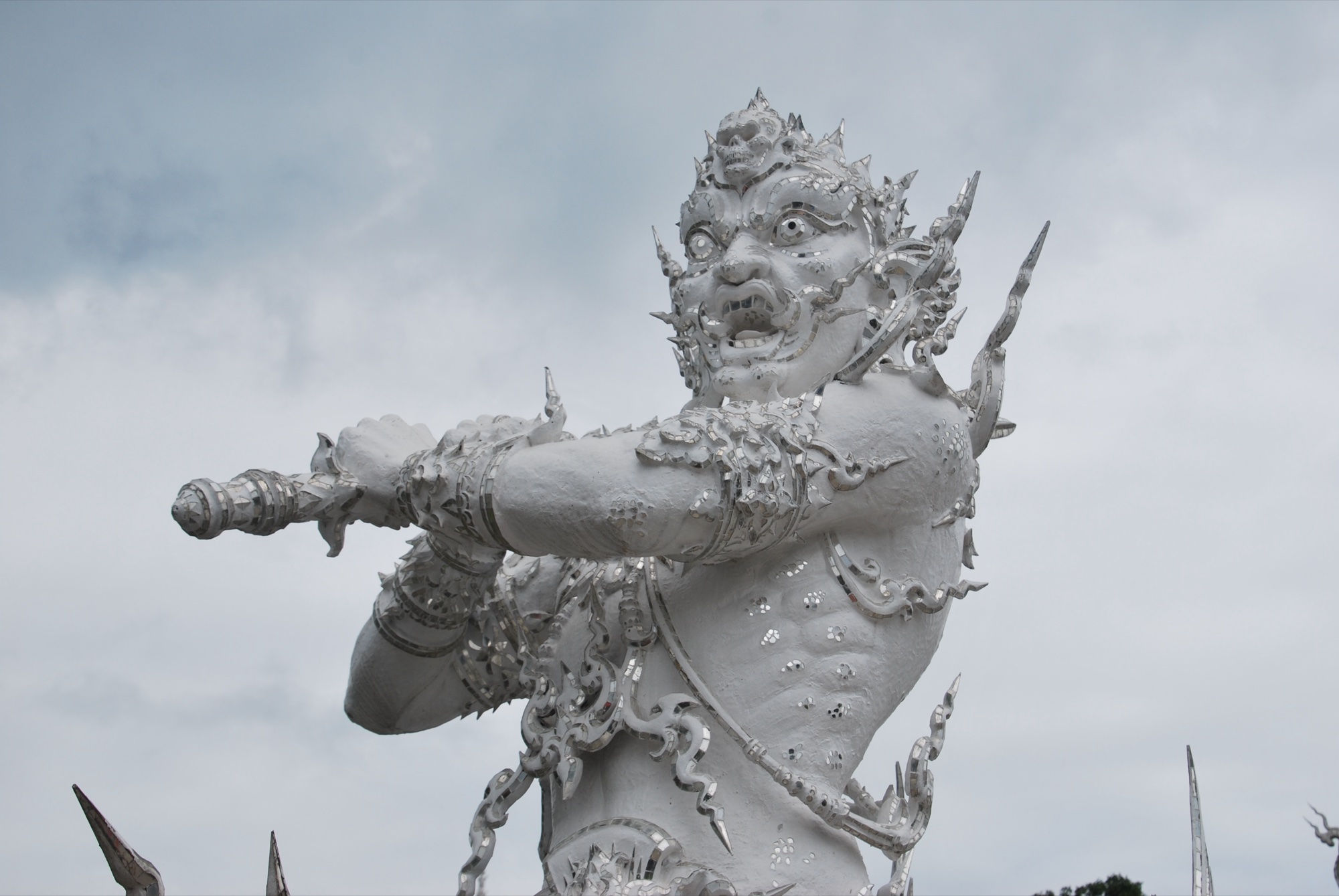
This is the building everyone comes for, and somehow it still outperforms its postcards. The artist Chalermchai Kositpipat has been rebuilding it since 1997 as a private offering to Buddha, refusing all government funding so he could keep total creative control. The result is a temple that mixes traditional Lanna iconography with images of Hello Kitty, Iron Man and Spider-Man embedded in the murals.
Photographically, the magic happens before 9 a.m. The mirror-glass mosaic catches the early sun and the white plaster turns almost surgical. Arrive at opening time. By 11 a.m. the tour buses come down from Chiang Mai and the bridge of rebirth becomes a queue.
💡 Photo tip: shoot the reflection from the right-hand pond, slightly crouched. Polarizer on. The composition rewards a 24-35 mm focal length — wider distorts the spires.
Baan Dam · the Black House
If Wat Rong Khun is light, Baan Dam is its deliberate shadow. The late artist Thawan Duchanee — Kositpipat’s rival and friend — spent forty years building this complex of forty black structures, each filled with animal bones, skins, ceremonial knives and dark Buddhist symbolism.
It’s not for everyone. Some visitors find it macabre. Others read it as a meditation on impermanence and on the violence we politely hide from. For a photographer it’s a gift: harsh teak silhouettes against monsoon greens, low interior light, and absolutely zero crowds compared to the White Temple.
The Golden Triangle · where three countries meet
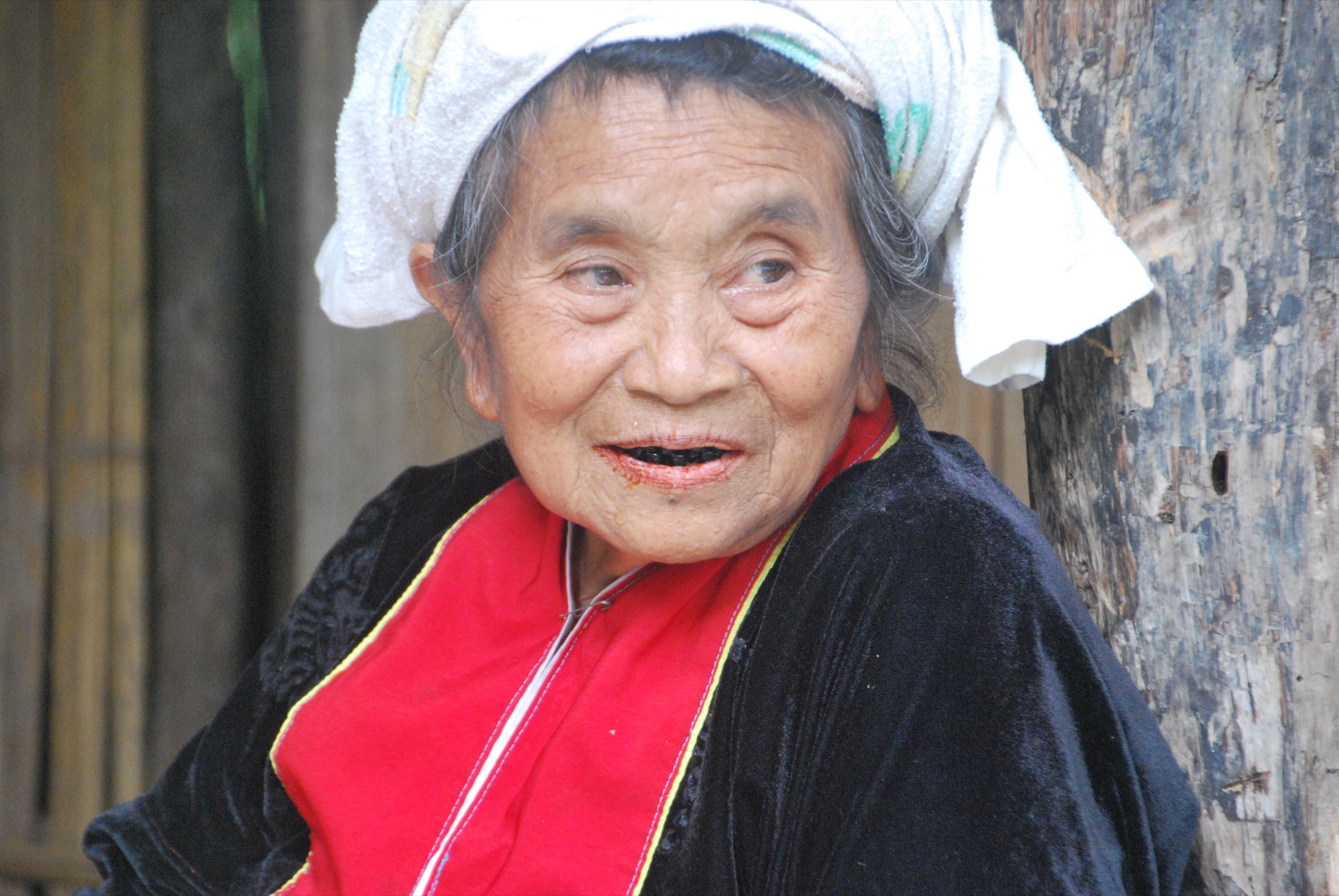
An hour and a half north of Chiang Rai city, the Mekong River pushes a wide elbow between three nations. Stand on the Thai bank and you can see Myanmar to your left and Laos directly across the water. For most of the 20th century this was the world’s largest producer of opium — hence the name. Today it’s a strange mix of viewpoints, casinos on the Lao side, and a surprisingly thoughtful Hall of Opium museum that explains the history without varnish.
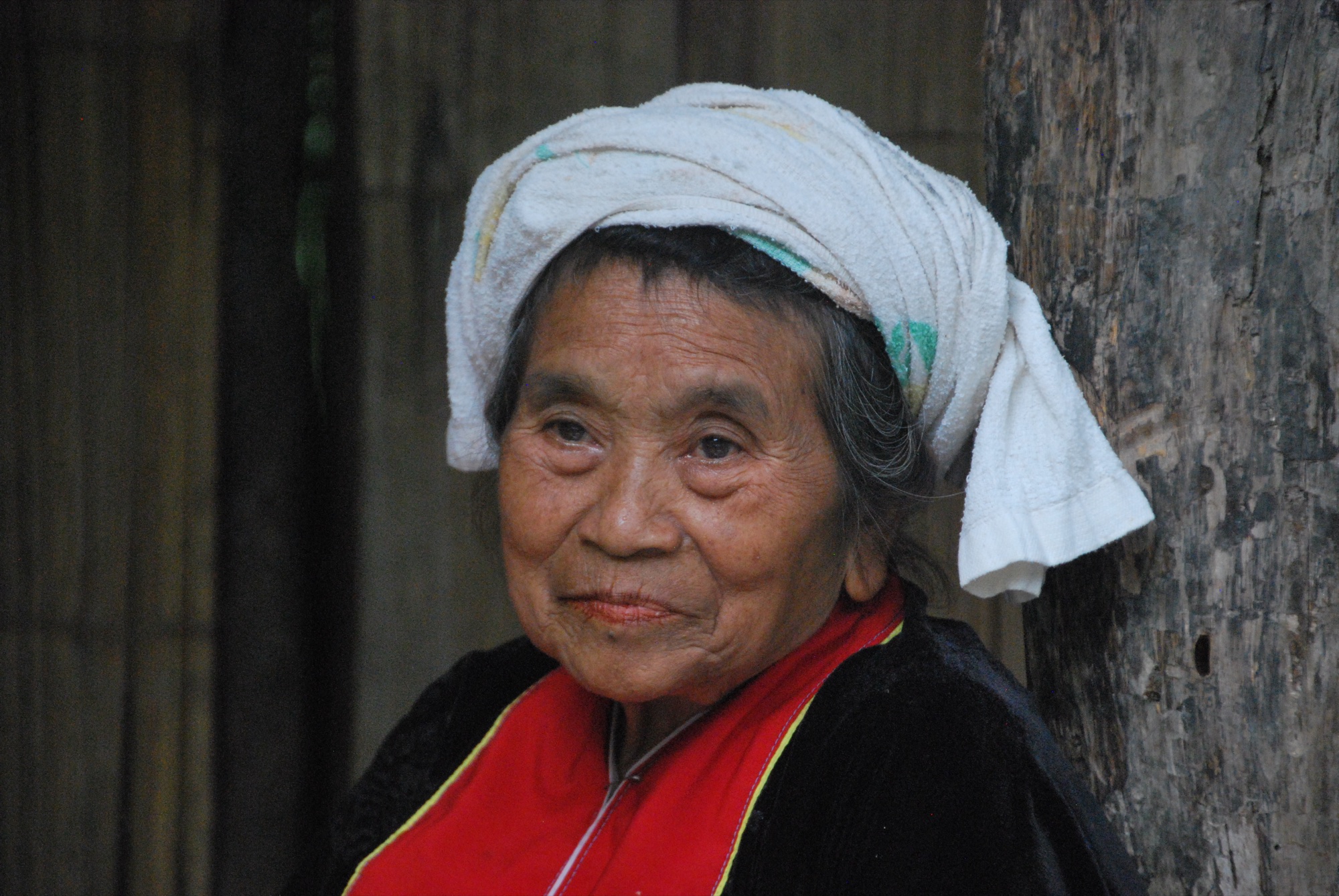
The giant golden Buddha on a ship-shaped pedestal is kitsch in the best way. Go for sunset: the light comes in low over Myanmar and the river turns the colour of beaten brass.
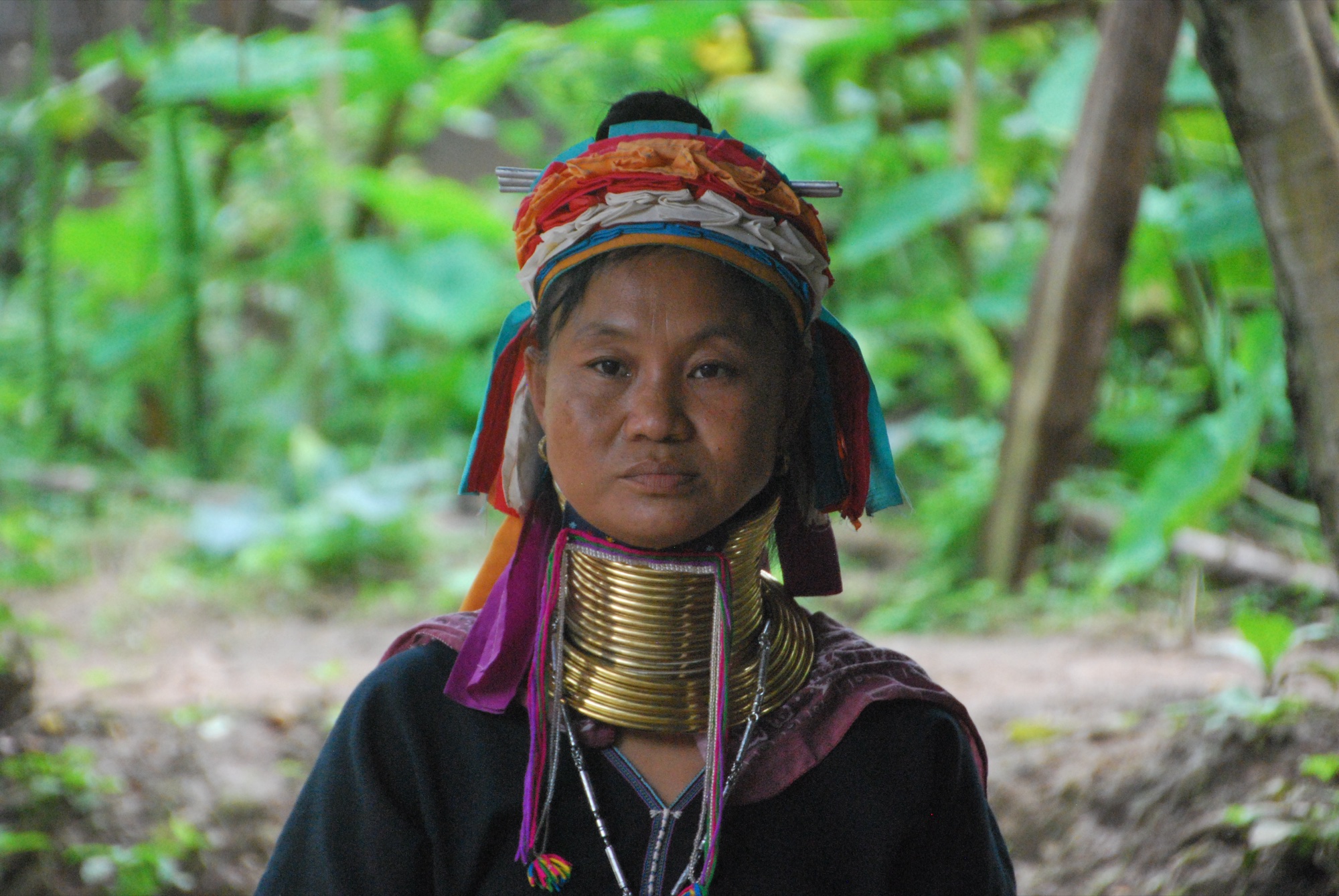
You can hire a longtail boat at the Sop Ruak pier for about 500 THB per group and cross briefly to a small Lao island where Chinese-built duty-free shops sit incongruously beside Buddhist temples. It’s a one-hour curiosity, not a substitute for actually visiting Laos.
The countryside is the point
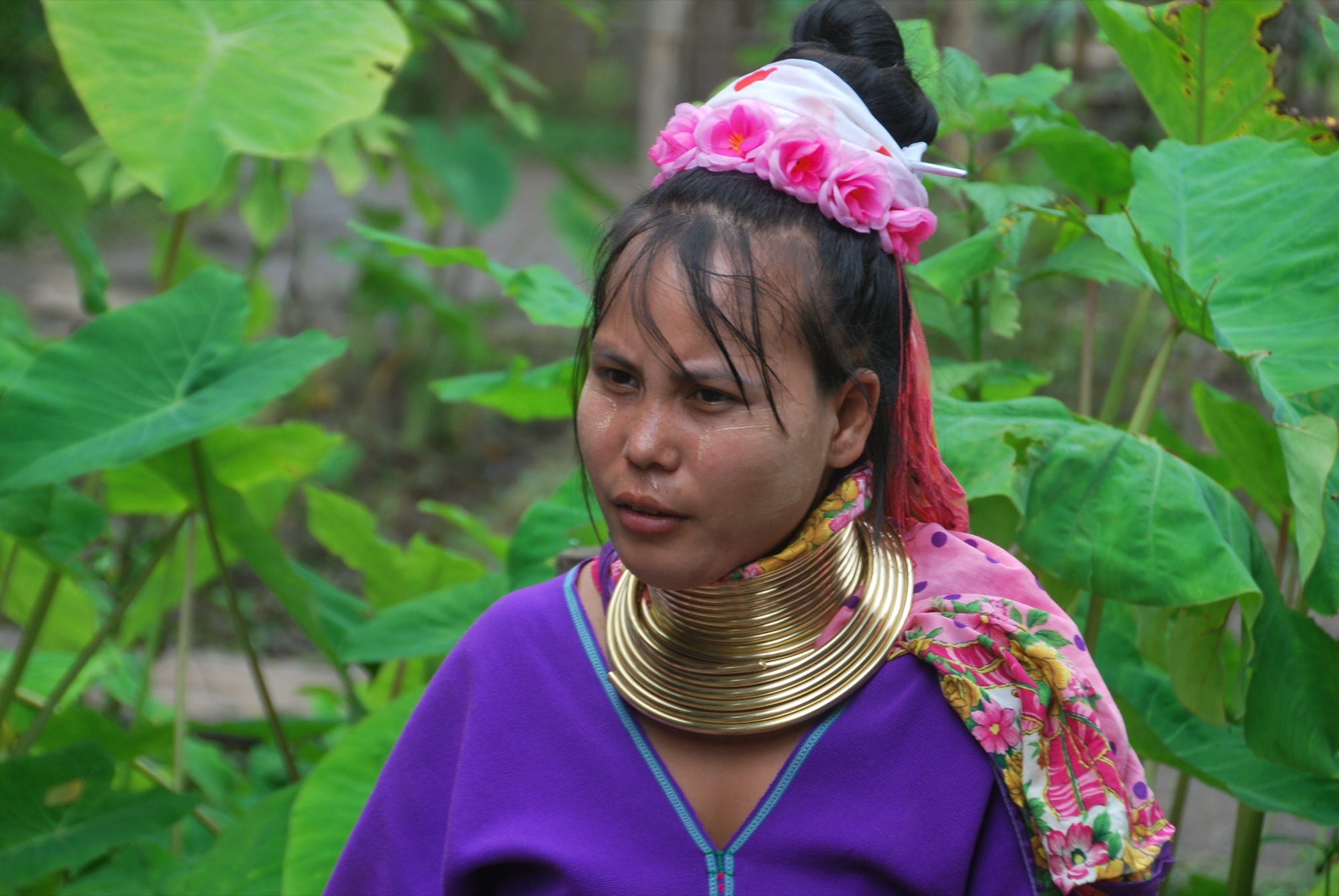
Rent a scooter or a small car and head out into the hills. Doi Mae Salong is a former Kuomintang stronghold turned tea-growing village — the people still speak Yunnanese Chinese and the steep terraces look more like Fujian than Thailand. Mae Sai sits right on the Myanmar border. The Khun Korn waterfall is a 45-minute jungle walk that ends in a 70-metre curtain of water, and you’ll often have it entirely to yourself.
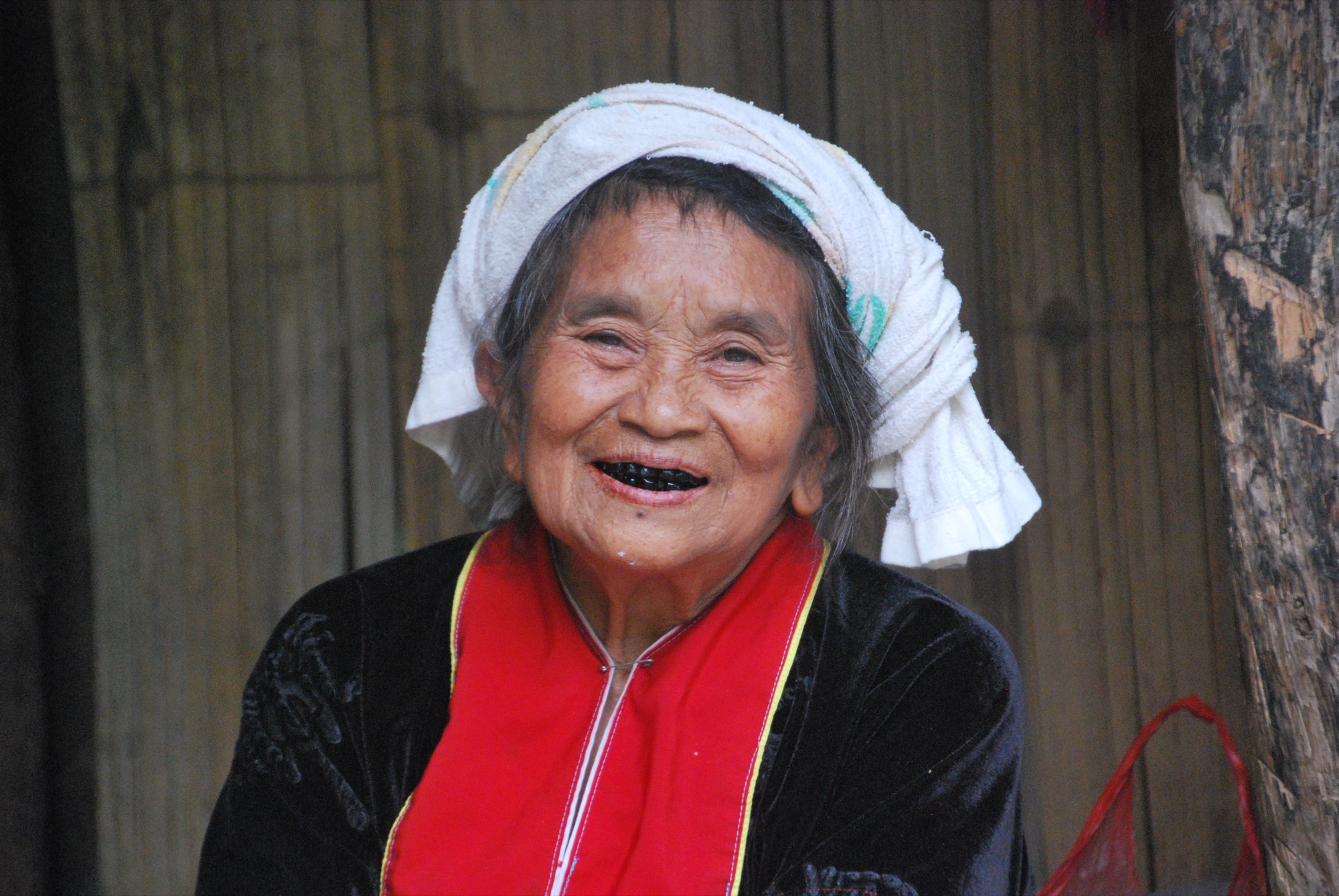
💡 Photo tip: the best hour in the hills is the half-hour after a tropical shower. Mist rises off the canopy, the light becomes diffused and three-dimensional, and the green saturation is something no preset will fake.
Practical info
🗓 Best time to visit: November to February — dry, cool, and the rice paddies are still emerald. March-April brings haze from agricultural burning, so avoid those months for photography.
✈️ How to get there: direct flights from Bangkok (BKK) to Chiang Rai (CEI) take 80 minutes and cost from €40. From Chiang Mai, the bus is a 3-hour scenic ride or you can do the slow boat down the Mekong from Huay Xai (Laos), which takes two days but is unforgettable.
🛏 Where to stay: The Riverie by Katathani for resort comfort by the Kok River, or Le Méridien Chiang Rai for design-led modernism. For something local, the Legend Boutique is a small Lanna-style hotel with a saltwater pool. Check hotel availability in Chiang Rai on Booking →
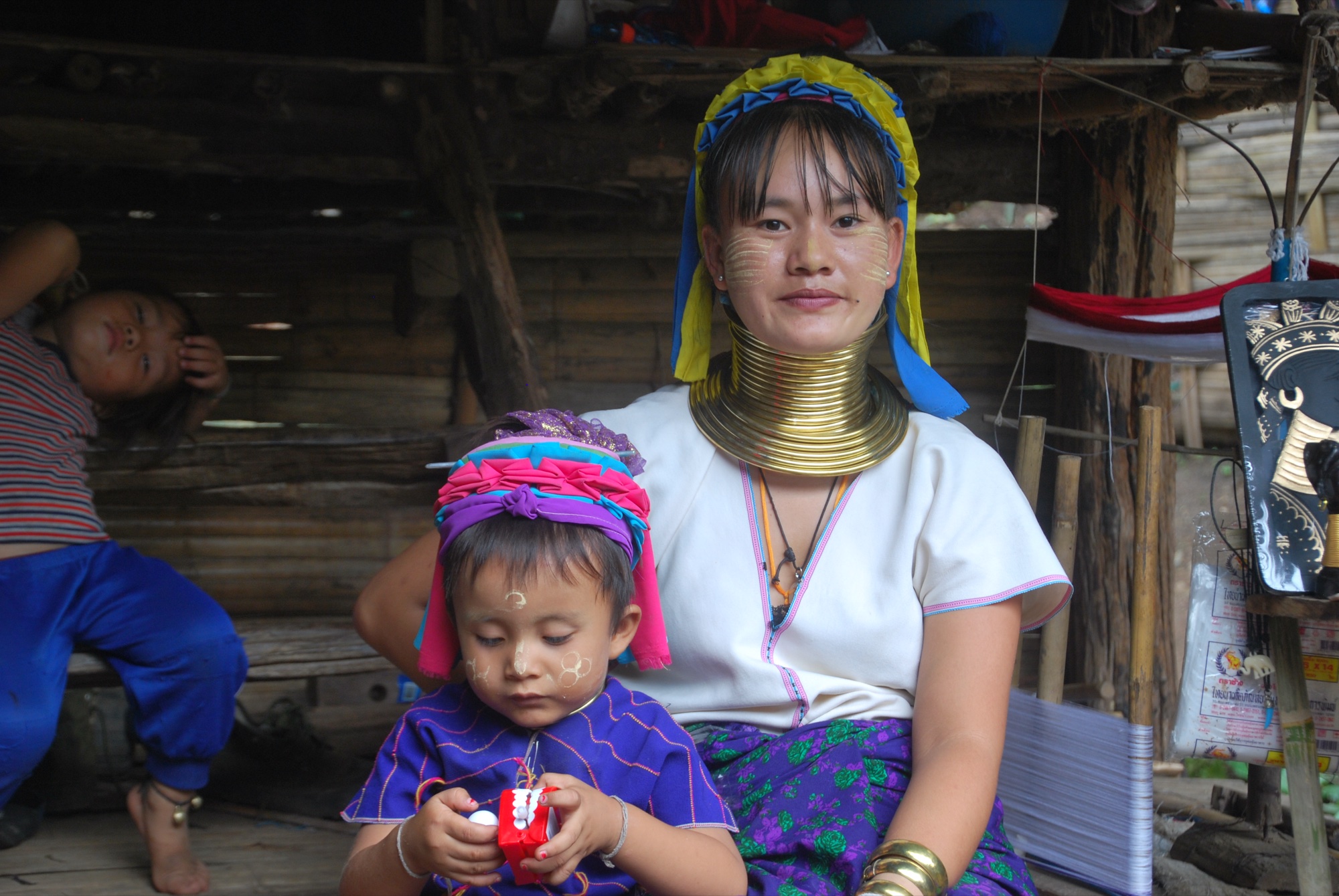
🎟 Tours and experiences: the White Temple + Black House + Golden Triangle in one day is the classic combo. Hill-tribe village visits should only be booked with operators that work ethically — pay attention to who profits. Browse Chiang Rai day-tours on Civitatis →
📷 Camera kit: a 24-70 mm covers 80 % of the temples and landscapes. Add a 70-200 mm for the Mekong viewpoints and the tea terraces of Doi Mae Salong. A polarizer is non-negotiable for the White Temple. See compatible polarizers on Amazon →
💰 Budget: Chiang Rai is cheaper than Bangkok and Chiang Mai. €40-60 per day covers mid-range accommodation, street-food meals (10-25 THB per dish at the night bazaar), scooter rental and entrance fees. The White Temple costs 100 THB. Baan Dam is 80 THB.
Where Chiang Rai fits in a longer trip
If you have two weeks in Southeast Asia, the natural circuit is Bangkok → Chiang Mai → Chiang Rai → slow boat to Luang Prabang. If you only have one week, fly into Chiang Rai, do five days here, and exit through Chiang Mai. Pairing it with a few days in Siem Reap and Angkor Wat gives you the two most photogenic destinations in the region without the predictable beach-island detour.
Northern Thailand isn’t the easiest place to photograph well — the light is harsh, the humidity punishes equipment, the iconic buildings are over-shot. But it rewards patience and an early alarm clock. Wake before the temples open, accept that a long lunch is mandatory, and shoot again at golden hour. The rest of the day is for mango sticky rice.
Want more on Southeast Asia? Read our deep-dive into Tonlé Sap’s floating villages or our Bali photography guide.
