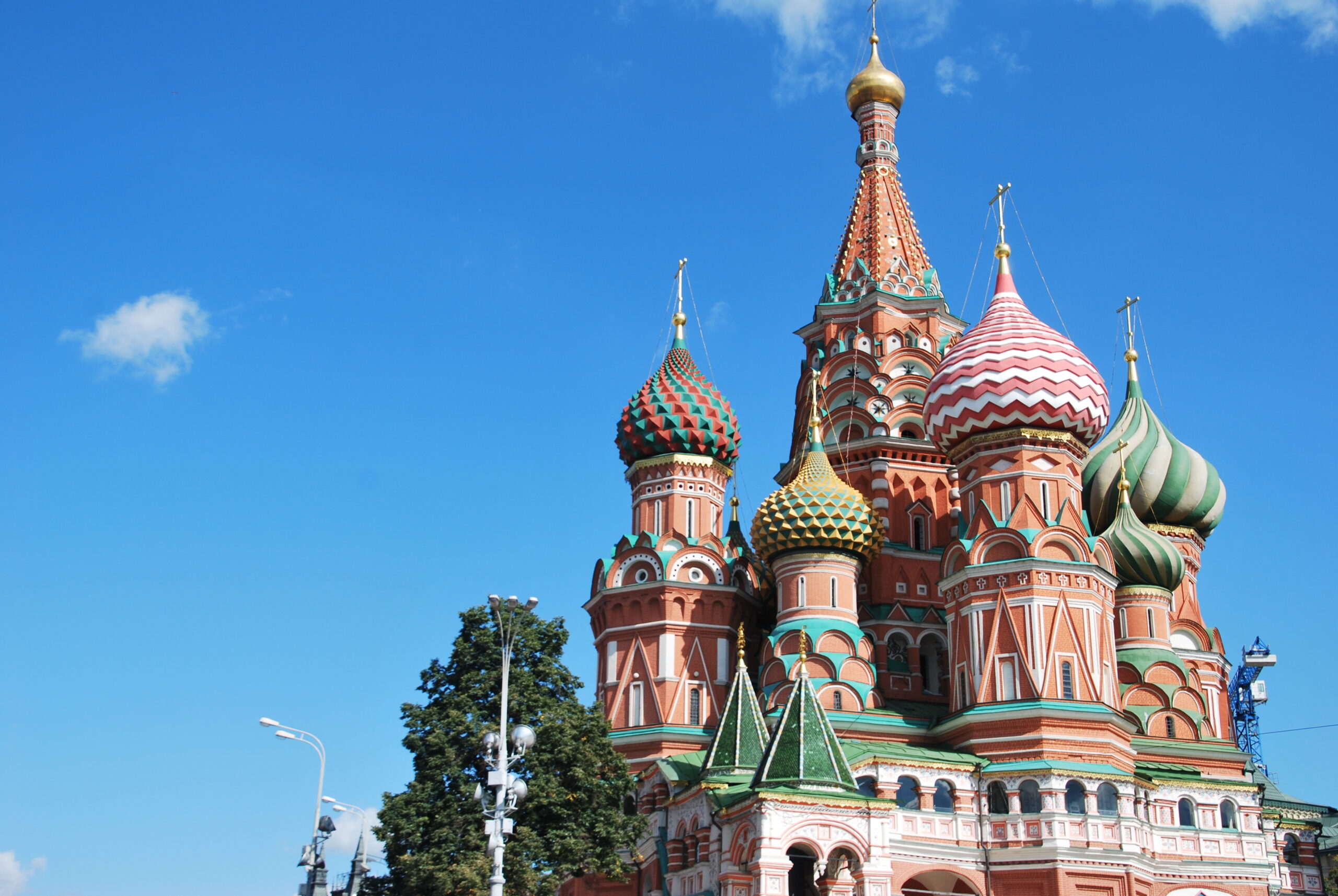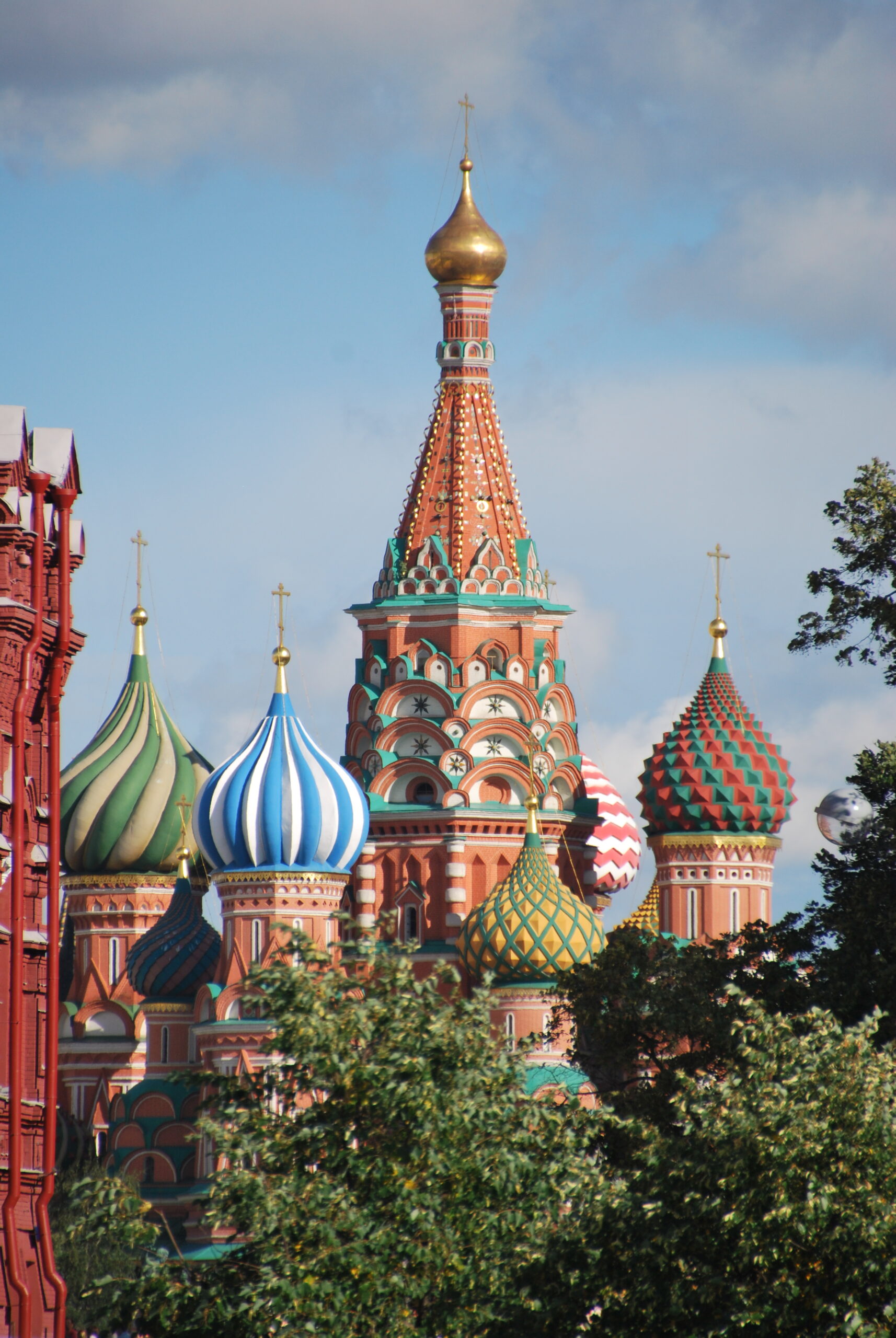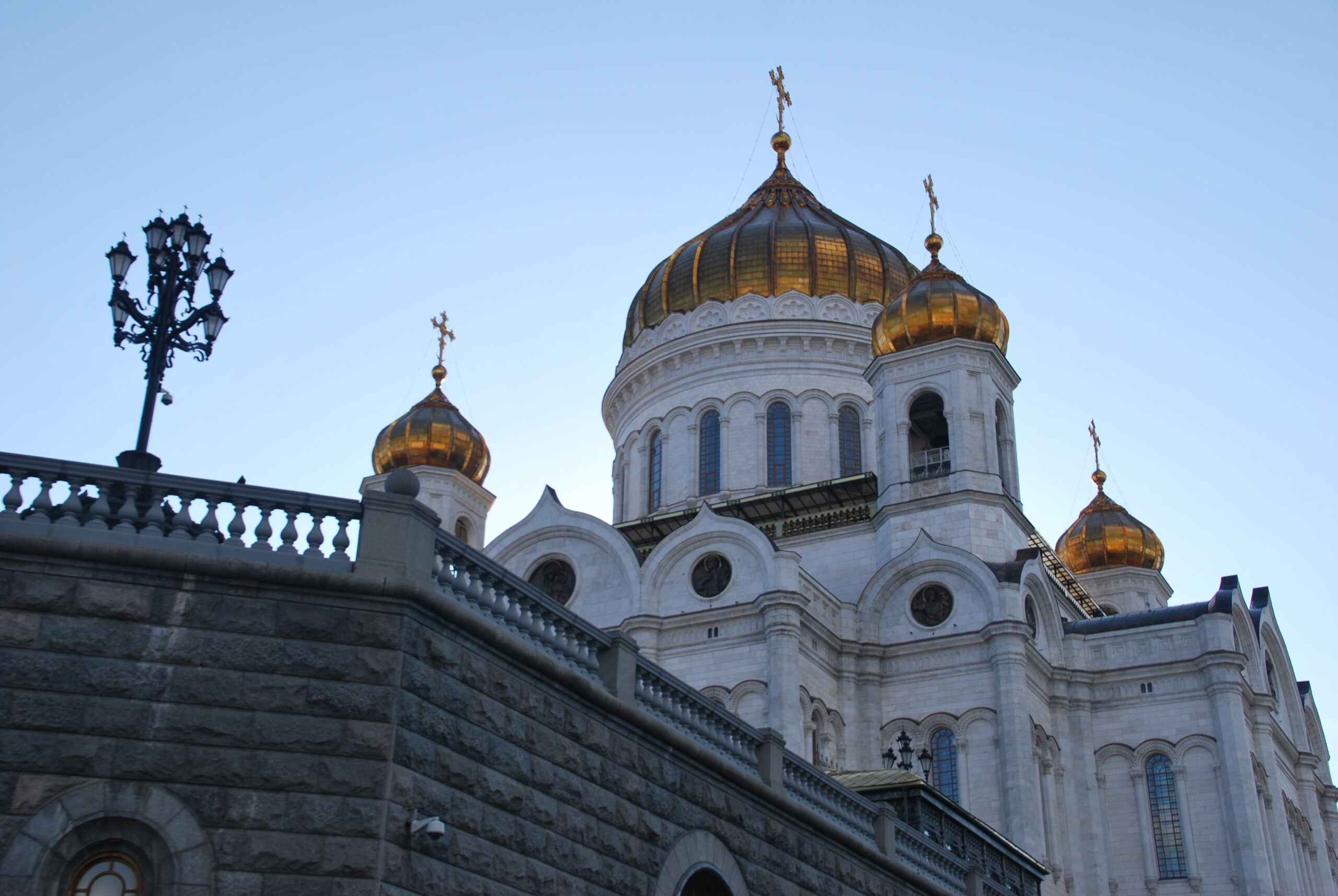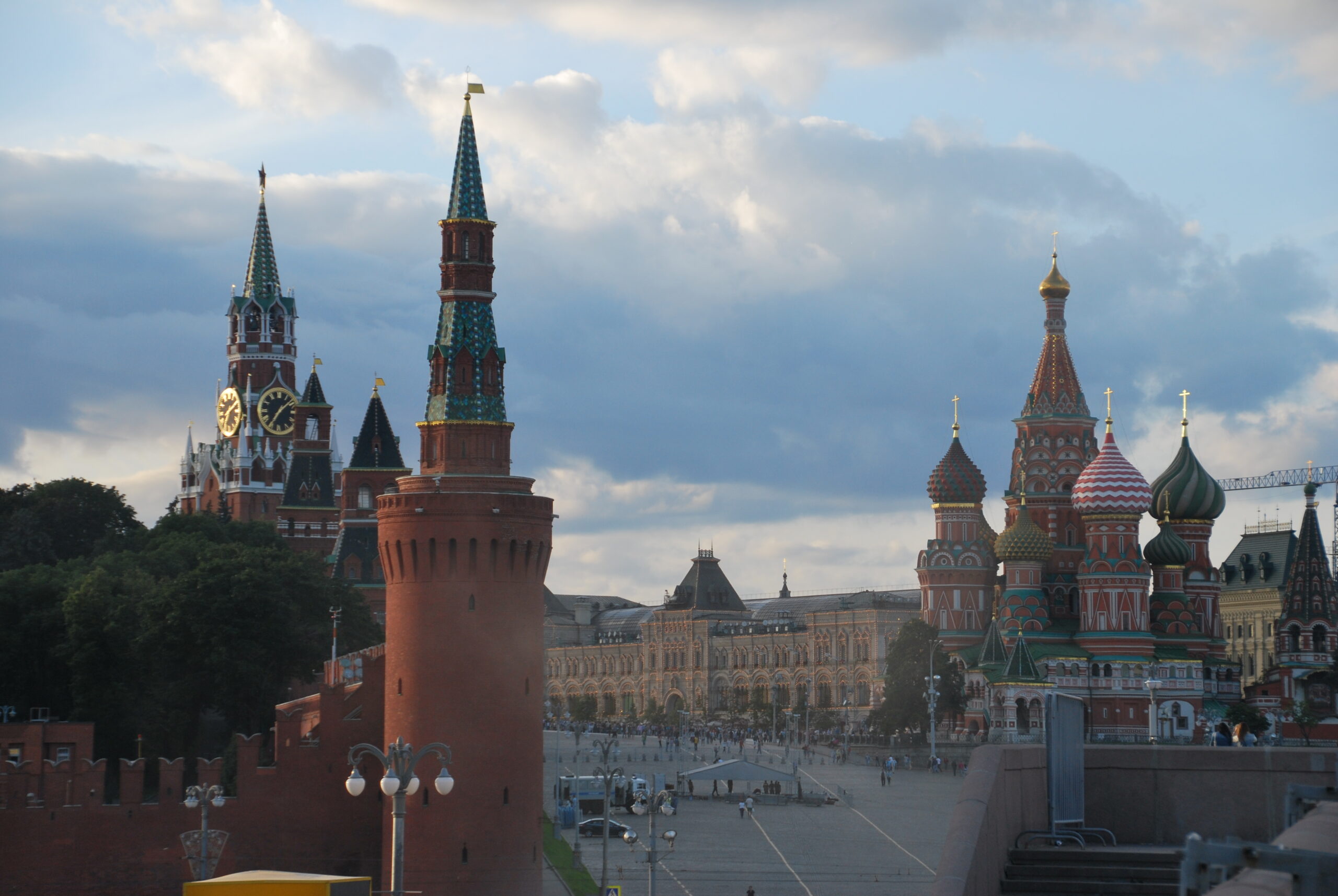
Some cities only make sense once you’ve walked them. Moscow is one of them. The painted domes you’ve seen a thousand times on a postcard stop feeling like a cliché the moment you look at them from Red Square on a clear August day, and Saint Basil’s Cathedral appears as what it is: a building that doesn’t resemble any other building in the world.
This is an editorial photodump. The narrative is in the images. Moscow on a short visit: the Kremlin from the river’s far bank, the corridors of the Metro (probably the most decorated subway system in the world), the matryoshka markets at Izmaylovo, the shift of light at dusk over the Mausoleum.
What you’ll see here
- Saint Basil’s · the most photographed cathedral of the Slavic world, commissioned by Ivan the Terrible in 1561. Best in midday hard light or the golden hour around 6:30 p.m.
- Red Square · the name doesn’t come from the colour of the Kremlin’s bricks: in Old Russian “krasnaja” also means “beautiful”. It is the beautiful square, not the red one.
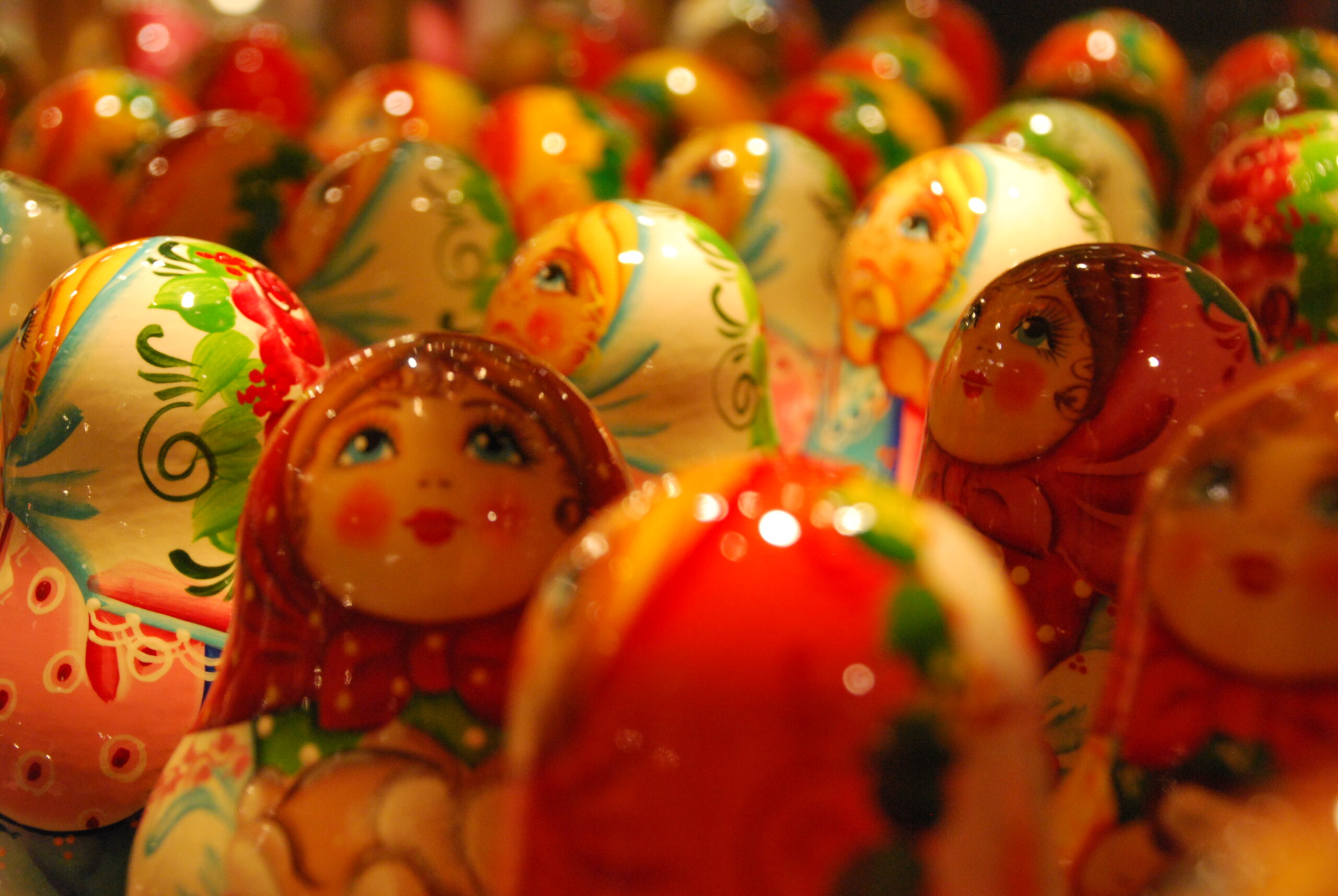
- Izmaylovo Matryoshkas · north of the city, at the weekend market. The ones sold in Red Square are tourist trade. In Izmaylovo you’ll still find hand-painted pieces.
- Moscow Metro · every station is a museum. Komsomolskaya, Mayakovskaya, Ploshchad Revolyutsii. Three roubles open doors that in London or Paris you’d pay museum admission for.
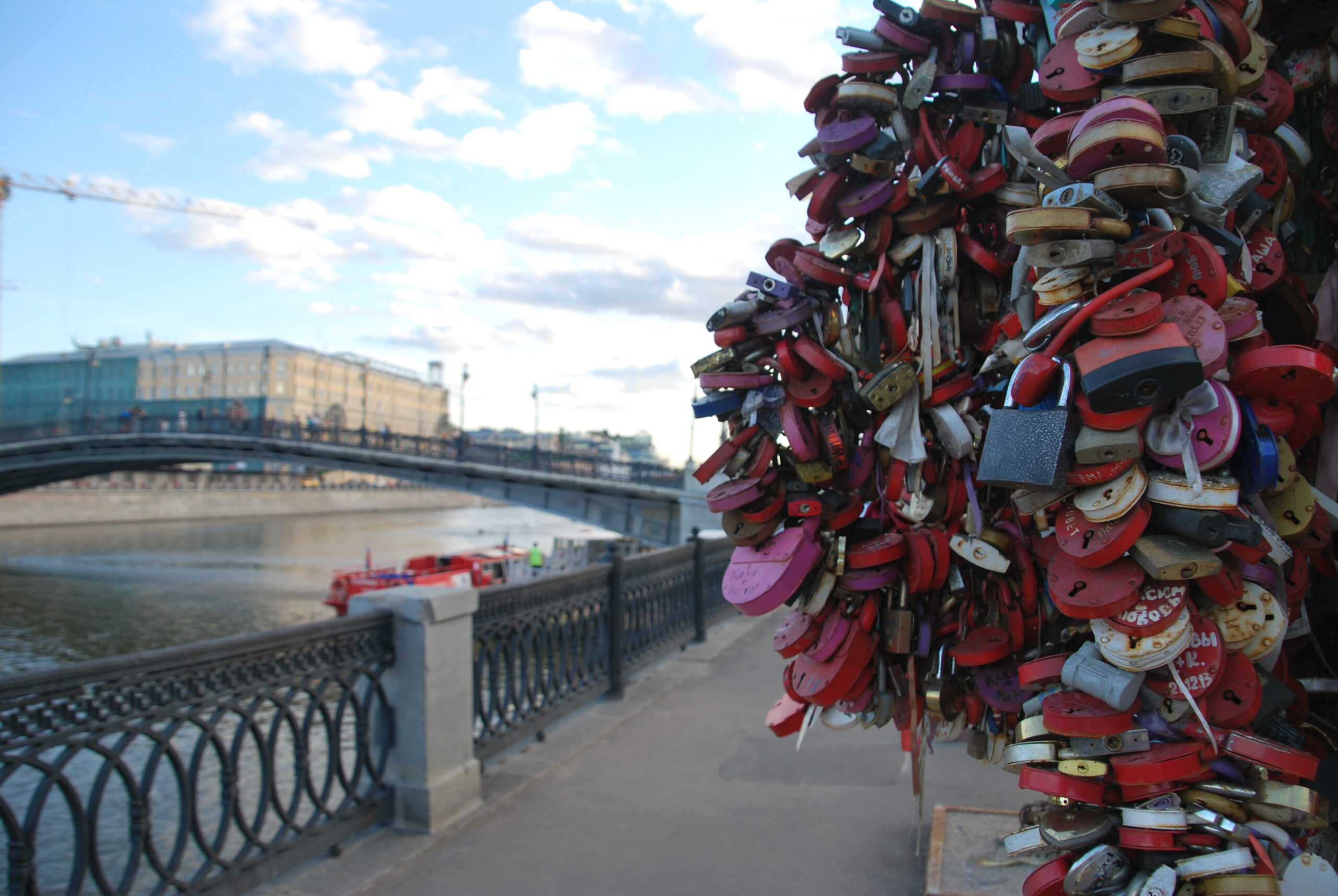
- View from Bolshoy Moskvoretskiy Bridge · the best frame of the Kremlin with the river in the foreground. No tripod (forbidden) and patience.
Photographic notes
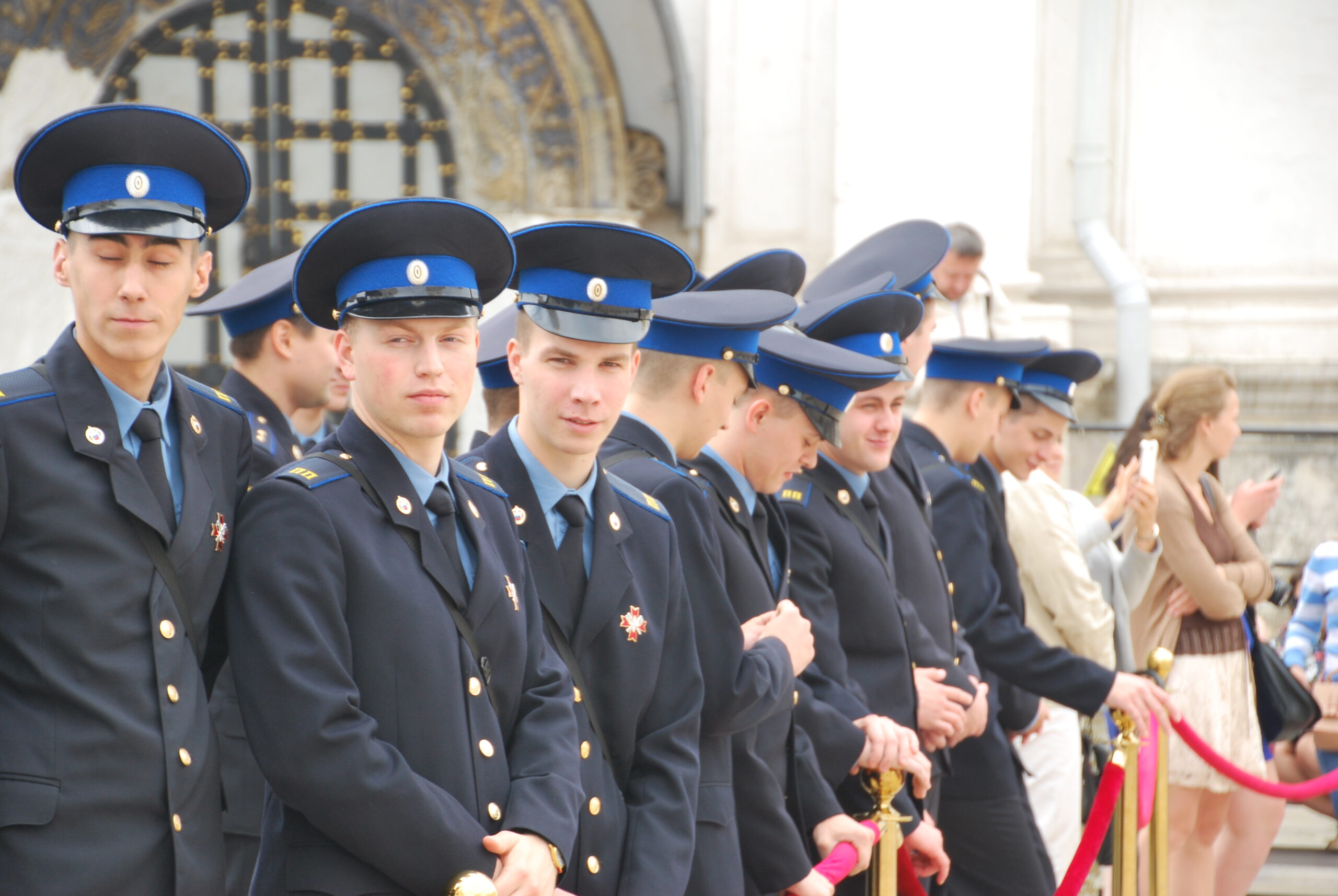
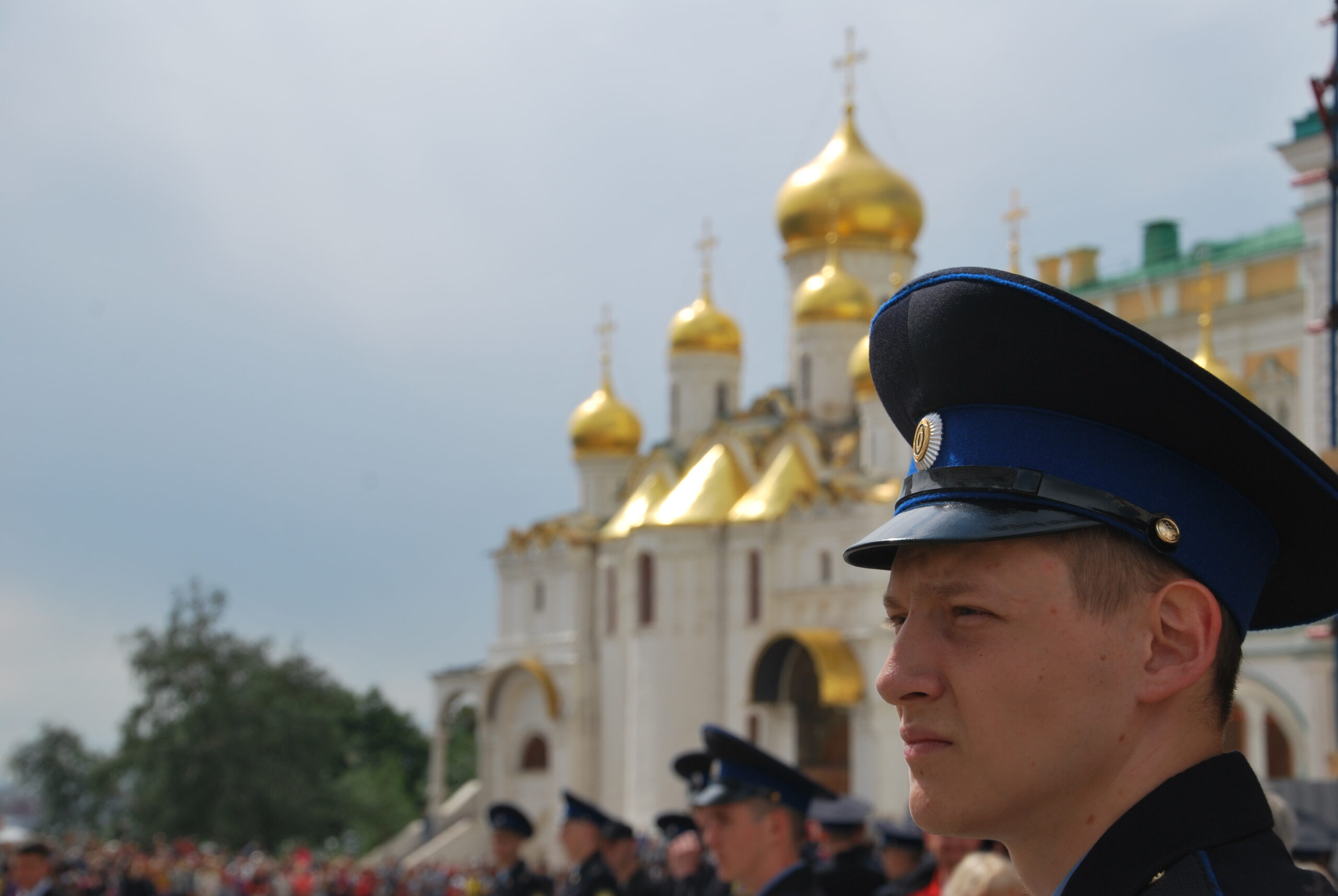
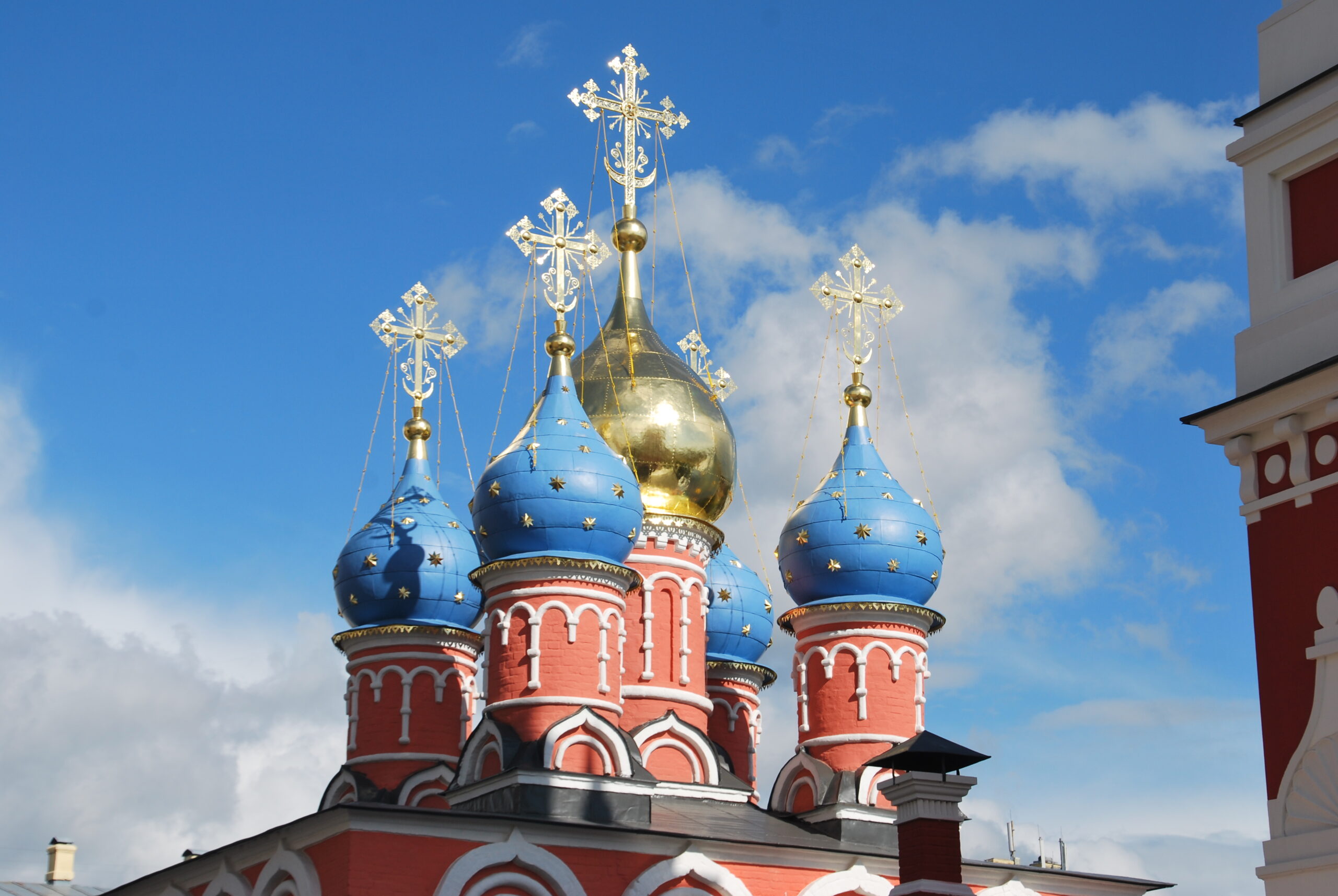
The famous cliché is the Saint Basil’s postcard, but real Moscow lives in tight frames: the rusted gold of the domes against the light, the deep red of ceremonial uniforms, the painted gaze of matryoshkas in scale. Work with medium focal lengths (35-85 mm equivalent) and skip the ultra-wide except inside the Metro. The city does not fit whole in any single frame. Pasternak tried, and ended up writing Doctor Zhivago instead.
Five-day route in Moscow
Day 1 · Red Square, the Kremlin and Saint Basil’s
Arrival and orientation. Start at Red Square at sunrise (no tourists, no guards yet). Walk the perimeter: GUM, Saint Basil’s, the Mausoleum, the Kremlin walls. In the afternoon, enter the Kremlin with a combined ticket: Archangel Cathedral + Cathedral of the Dormition + Armoury. Dinner at Café Pushkin or Bolshoi.
Day 2 · The Metro as museum and the Arbat
A full morning for the Moscow Metro: a circle route through Komsomolskaya, Ploshchad Revolyutsii (touch the bronze dog’s nose for luck), Mayakovskaya, Novoslobodskaya. Every station is a Stalin-era museum. Lunch on the old Arbat (historic pedestrian street), afternoon at the Pushkin Museum of Fine Arts.
Day 3 · Tretyakov, Gorky and Sparrow Hills
Morning at the Tretyakov Gallery: the largest collection of Russian art in the world, from 14th-century icons to Repin. Lunch and a walk through Gorky Park (free, full of Muscovites). Sunset at Sparrow Hills (Vorobyovy Gory), the best panoramic view of the city.
Day 4 · Izmaylovo market and Kolomenskoye day trip
Saturday or Sunday: the Izmaylovo market. Real matryoshkas, old icons, copper samovars. In the afternoon, Kolomenskoye 30 minutes south: a 16th-century royal wooden estate with a UNESCO-listed church.
Day 5 · Day trip to the Golden Ring
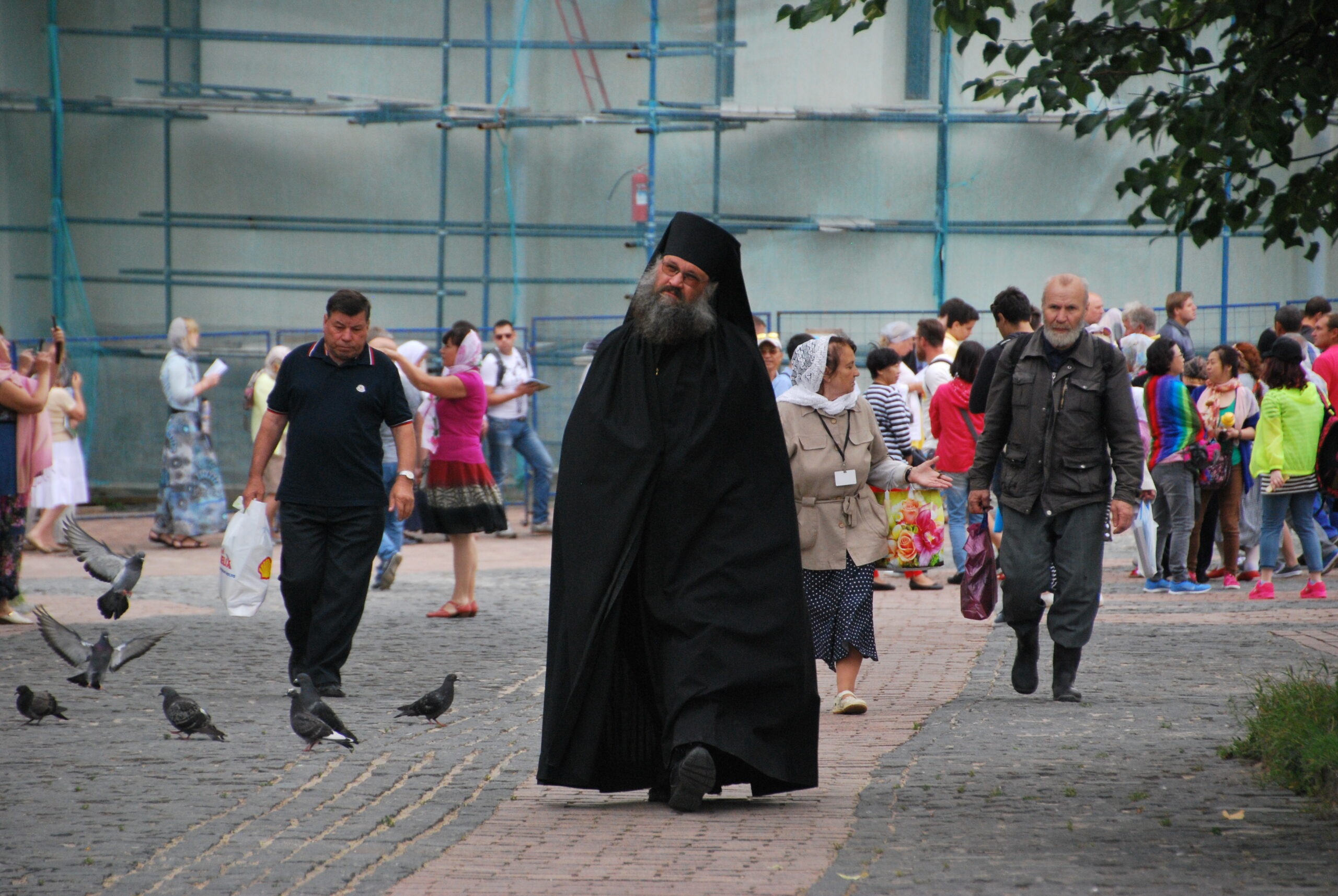
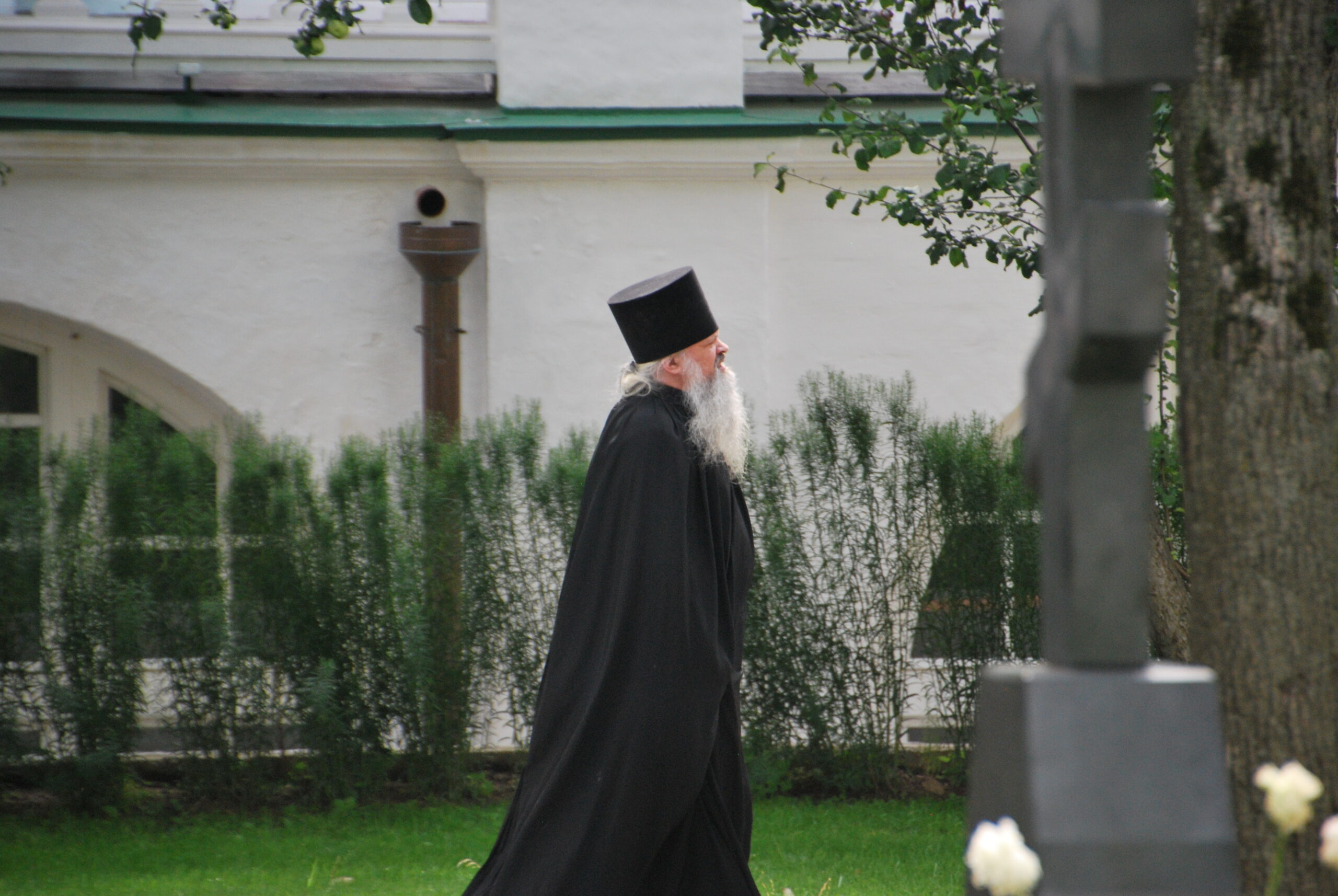
A full day to Sergiyev Posad, 75 km north-east. It is the spiritual heart of the Russian Orthodox Church: the Trinity Lavra of Saint Sergius (UNESCO) brings together monastery, seminary, golden and blue domes and pilgrims filling bottles with holy water. Back to Moscow for dinner.
Where to sleep
- Near Red Square (high-end): Hotel National (facing the Kremlin), Four Seasons Moscow, Metropol. Historic views, high prices.
- Tverskoy district (mid-range): well-connected hotels, 10-15 min walk from the centre.
- Arbat / Kitay-Gorod (boutique): small hotels in pre-revolutionary buildings. Atmospheric.
- Patriarshie / Mayakovskaya (local): residential districts with good cafés. The feeling of a lived-in city, not a tourist one.
Where to eat
- Café Pushkin · Tverskoy Boulevard. Classic Russian cooking in 18th-century noble decor. Book ahead.
- White Rabbit · 360º views from the 16th floor. World’s 50 Best Restaurants.
- Stolovaya 57 · a restored Soviet canteen INSIDE the GUM on Red Square. Cheap, authentic, surprisingly so.
- Mari Vanna · “Russian grandmother’s house” concept. Pelmeni, borscht, blini. A strange and brilliant idea.
- Lavkalavka · real Moscow farm-to-table. Farm produce in the heart of the city.
Practical info
- Visa: required for most European passports. Plan 4-6 weeks ahead via a VFS Global centre. Hotel invitation letter required.
- Best season: May-June (white light, no -25 °C) or August-September (dry warmth). December-January is beautiful but brutal.
- Language: Cyrillic doesn’t translate on the default map. Carry an offline map with Latinised names.
- Payment: Visa/Mastercard work in big places. Carry cash (roubles) for markets.
- Metro: single ticket 60 roubles (~€0.60). Get a Troika Card for a discount.
Photography notes
- Recommended kit: full-frame for the Metro’s low light and the long golden hours of polar light. I worked with a Nikon Z9 + 24-70 + 70-200 f/2.8. The short zoom is the workhorse.
- Tripod: forbidden inside the Kremlin and most museums. Allowed outside. Travel with a light or pocket tripod.
- Saint Basil’s: best light 6:30-7:30 p.m. in summer (low western sun on the main façade). Midday in winter.
- Metro: ISO 1600-3200, steady hand, f/2.8 wide open. No flash. Photography is legal, tripods are not.
- Red Square at dawn: between 5 and 7 a.m. in summer the square is empty and the light is exceptional. Worth the early start.
Full gallery