
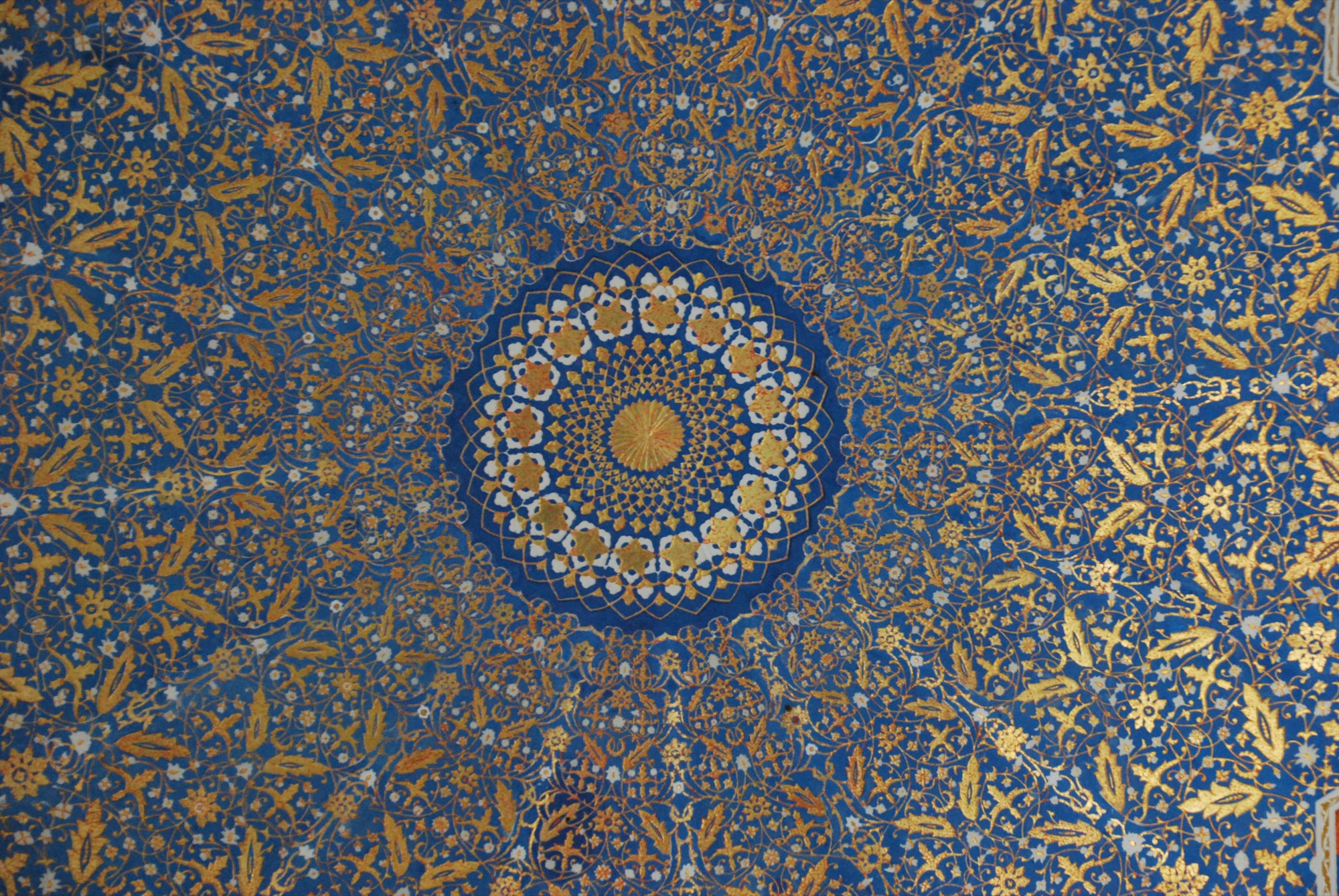
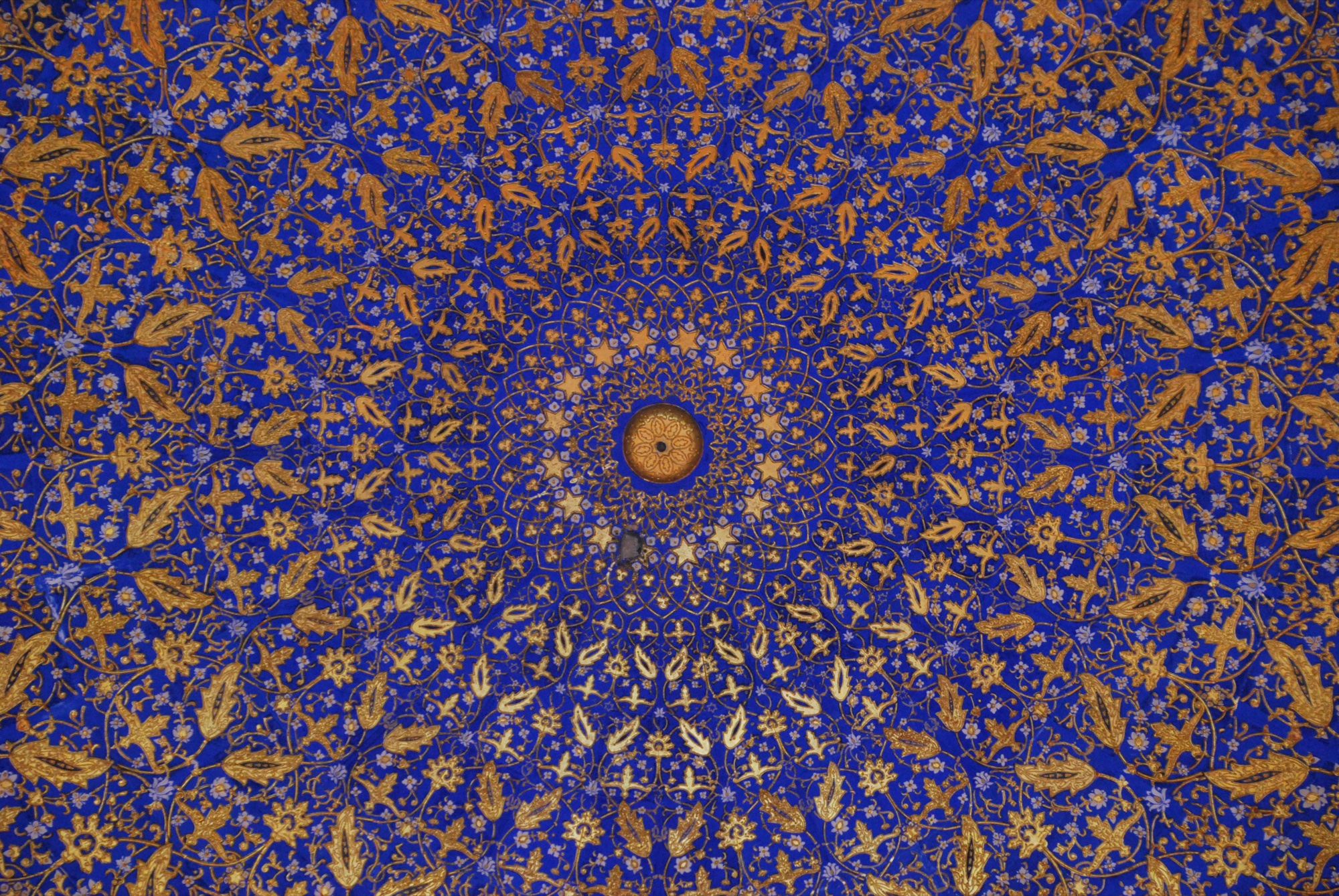
There’s a colour in Uzbekistan that doesn’t really exist anywhere else. The locals call it haftrang — «seven colours» — but mostly what you see is blue. A specific blue. It lives in the tiles of Samarkand, Bukhara and Khiva, and it has lived there, nearly unchanged, since the 14th century.
I went to Uzbekistan in 2019 expecting dust and history. I got both — plus the most visually stunning week of any trip I’ve ever taken. This is the photographer’s guide I wish I’d had.
Why Uzbekistan right now
Until 2016, Uzbekistan was effectively closed. Visas were complicated, the old regime was paranoid, the country barely appeared on tourist maps. Then it opened.
Today: 30-day visa-free entry for most EU/US citizens, a fast rail network connecting the Silk Road cities, and an infrastructure of guesthouses and restored caravanserais that didn’t exist a decade ago. You’re seeing one of the last great underrated destinations on Earth, right as it becomes accessible.
Go now. In five years it will be a different country — busier, more expensive, harder to photograph without crowds.
The three Silk Road cities: what each one actually is
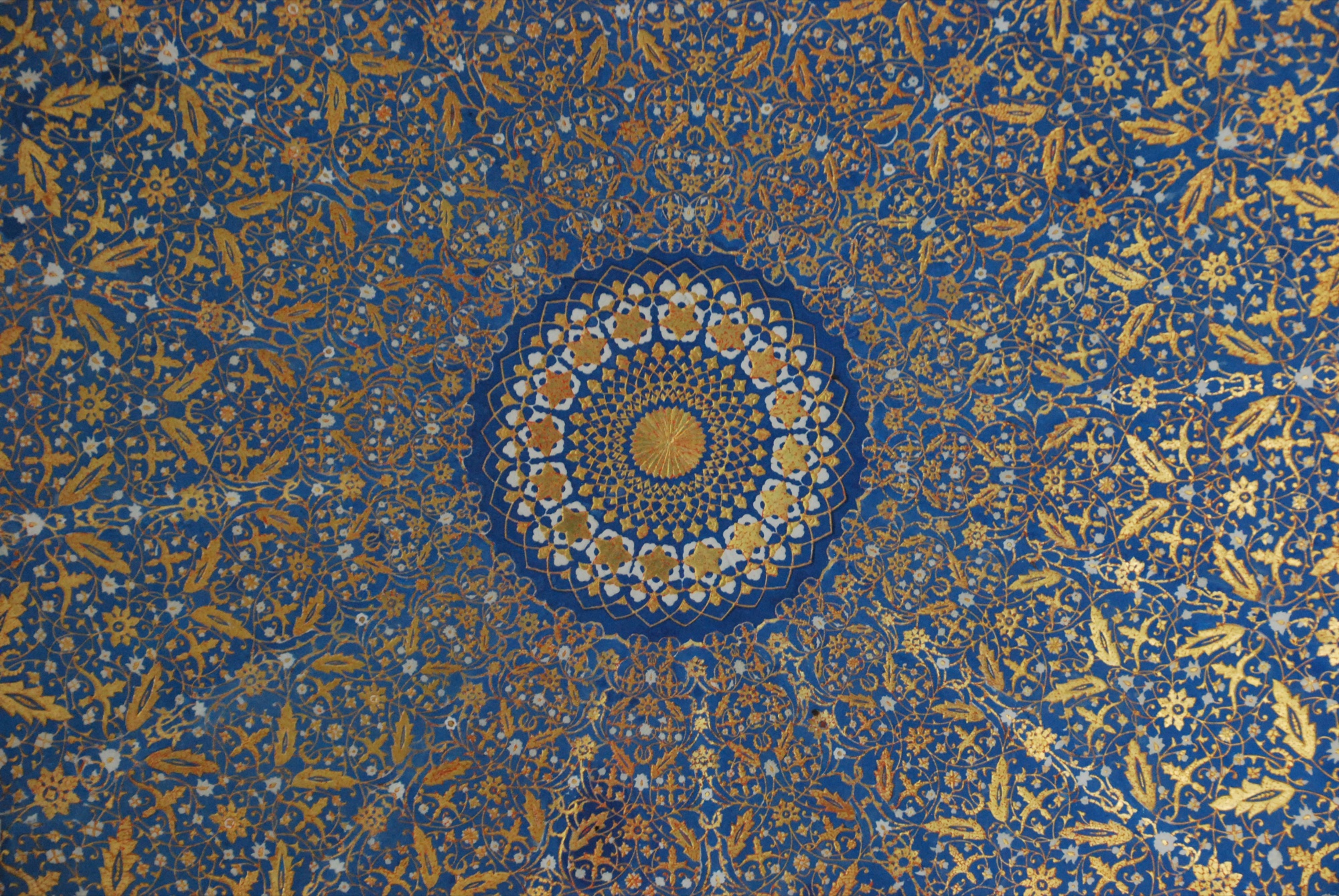
Samarkand — the monumental city. Big squares, big buildings, big history. Tamerlane made this his capital in the 14th century, and he built on a scale that still shocks. The Registan is the headline — three colossal madrasas facing a central square — but it’s not the only thing here. Shah-i-Zinda (a street of turquoise-tiled mausoleums) is, for my money, more beautiful.
Bukhara — the living museum. Smaller, walkable, still feels like a medieval city because it structurally is. The old town is pedestrianised. The Kalyan Minaret, 47 metres tall, was the tallest structure in Central Asia for centuries. Genghis Khan spared it — the only thing he spared in Bukhara.
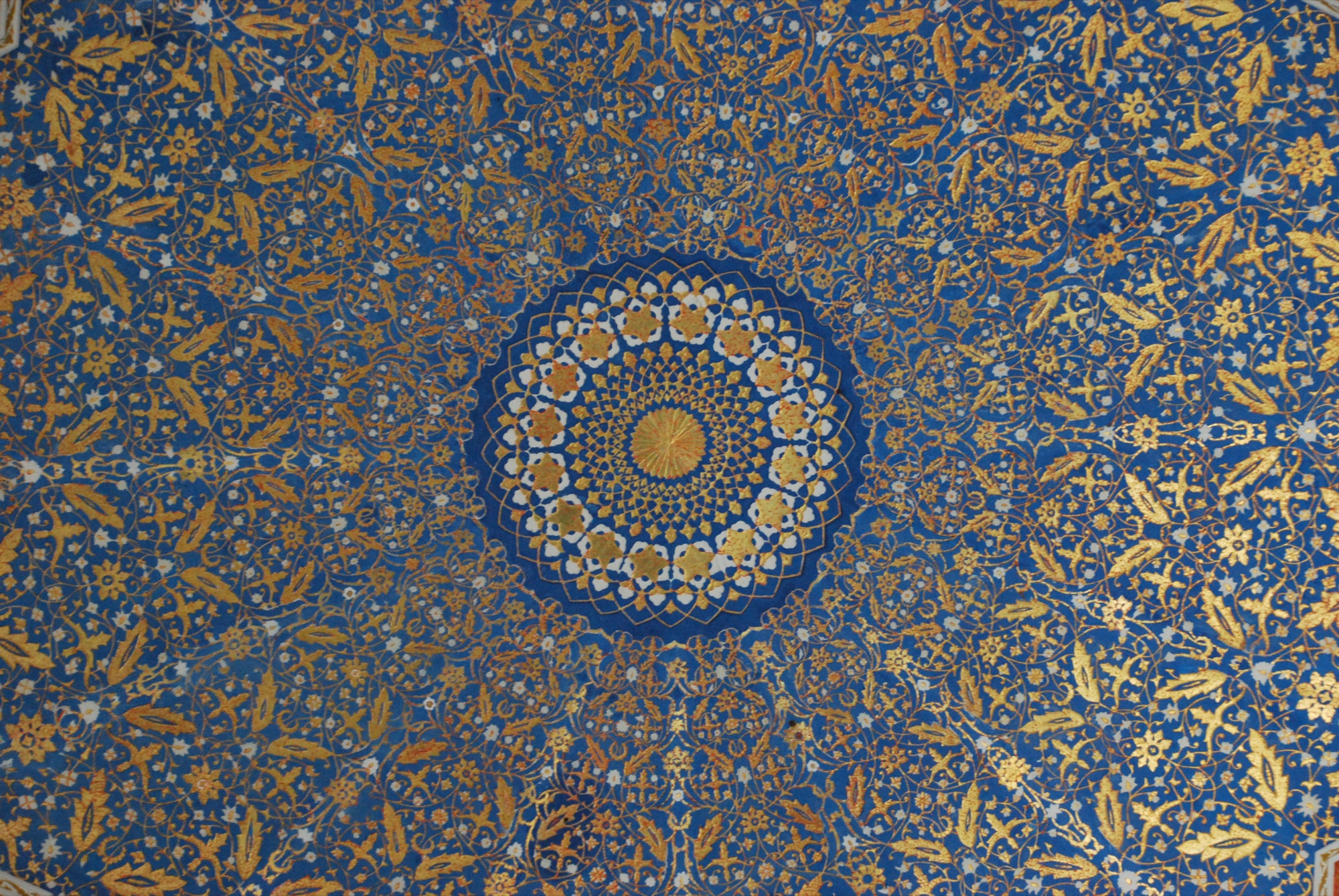
Khiva — the desert fortress. The most intact walled city of its era anywhere. Ichan Kala, the inner city, is UNESCO-listed and genuinely small enough to walk in thirty minutes. Sleep inside the walls. At night when the day-trippers leave, it empties.
A 10-day itinerary that makes sense
- Days 1–2: Tashkent. Modern capital. Metro stations are art pieces (photograph them — it’s now legal).
- Days 3–4: Samarkand (high-speed train from Tashkent, 2h10). Registan at sunrise and sunset.
- Days 5–7: Bukhara (train from Samarkand, 1h30). Slow days. Wander.
- Days 8–9: Khiva (overnight train from Bukhara, or short flight). Stay inside the walls.
- Day 10: Fly back to Tashkent, international flight out.
The light: when to shoot each site
Uzbekistan’s tiles are dramatic under specific light. Know the angles:
- Registan: sunrise (6am) for the east madrasa; sunset for the full square
- Shah-i-Zinda: morning — faces east, gets first light
- Kalyan complex (Bukhara): blue hour is unreal (45min after sunset)
- Khiva walls: golden hour from outside the walls, looking in
Food, tea houses and caravanserais
The national dish is plov — rice, lamb, carrots, cumin, sometimes quail eggs or chickpeas. Every region has its variant. Samarkand plov has raisins; Ferghana plov is spicier. It’s cooked in a single giant pan called a kazan, often outside, for 200 people at a time. Eat it in a choyxona (tea house).
Green tea is constant. You’ll be offered it everywhere — at the guesthouse, in markets, in shops you’re just browsing. Accept. It’s how business is done.
What I’d carry photographically
- 24–70mm zoom: perfect for tile details + architecture
- Wide angle (16mm or wider): madrasa courtyards are vast
- Polarizer: cuts glare on glazed tiles and makes blues pop
- Lens cloth: desert dust is a constant
- Tripod (small): for blue-hour architecture
- Two bodies: you don’t want to swap lenses outside in Khiva
Practical info
📍 Entry: 30-day visa-free for EU, UK, US, most developed countries
📅 Best months: April–June & September–October (summer hits 45°C)
💰 Budget: 40–70 €/day including guesthouses, trains and meals
🚄 Transport: Afrosiyob high-speed trains connect the main cities
💵 Currency: Som. ATMs work in cities. Bring euros or USD as backup.
🗣️ Language: Uzbek, Russian. English limited outside tourist zones — learn a few phrases.
Book tours & experiences in Uzbekistan
These are the experiences worth booking now — 2026 is when Uzbekistan goes mainstream, and prices will follow:
- Samarkand private tours — guided access to the Registan, Shah-i-Zinda, and Afrosiyob Museum
- Bukhara old town walks — the Kalyan Minaret, the trading domes, the Ark Fortress
- Tashkent experiences — Soviet metro stations, Chorsu Bazaar, and the National Museum
Photography gear I’d carry
Adapted for architecture, dust, and long days on your feet:
- 24–70mm zoom: the main workhorse for tile details and wide square shots — browse zoom lenses →
- Wide angle (16mm or wider): madrasa courtyards are too big for 24mm — wide angle options →
- Circular polariser: cuts tile glare and punches up the blues — CPL filters →
- Compact travel tripod: non-negotiable for blue-hour architecture — travel tripods →
- Dust-proof camera bag: Khiva in summer will test your equipment — protective camera bags →
Tours recomendados en Uzbekistán
Si quieres dejar la organización a alguien más — o complementar la ruta con tours guiados en español — estos son los de Civitatis que recomiendo personalmente. Enlaces afiliados: Bidaiatzen recibe una pequeña comisión sin coste extra para ti.
- Tour por Registán y Samarcanda
- Free tour por Bujará
- Excursión a Jiva desde Urgench
- Tour privado por Tashkent
Final thoughts
Uzbekistan is a place where light does specific things you won’t see anywhere else — because the architecture was built to reflect exactly this sun, at exactly these angles, on exactly these tiles, 600 years ago. The best thing you can do is let the country set your pace. Walk slowly. Drink the tea. Photograph the doors as much as the monuments.
And go now, before everyone else figures out what’s here.
All photography shot on a Nikon DSLR during a 10-day trip through Samarkand, Bukhara and Khiva. Follow @vidaiatzen on Instagram for more travel photography from the Silk Road.
