Costa Rica wildlife photography: 14-day itinerary covering Manuel Antonio, Tortuguero and Monteverde. Best parks, gear tips and ethical wildlife photography.
Americas: Costa Rica wildlife photography ·...
Why Costa Rica is
- 🦥 Three-toed sloths and two-toed sloths — both
- 🐦 Quetzals (March–July) — the bird on Guatemala’s
- 🌋 Active volcanoes (Arenal, Poás, Rincón de la
- 🦎 500+ reptile species including red-eyed tree frogs
Why Costa Rica is
- 🦥 Three-toed sloths and two-toed sloths — both
Packing list
- 🦥 Three-toed sloths and two-toed
- 🐦 Quetzals (March–July) — the
- 🌋 Active volcanoes (Arenal, Poás,
- 🦎 500+ reptile species including
- Animals are more active —
- Vegetation is impossibly green after
- Prices drop 30–50% vs. dry
Why Costa Rica is a wildlife photographer’s dream
Costa Rica has been protecting its nature seriously since the 1970s. Over 25% of the country is national park or protected area — one of the highest percentages on Earth. The infrastructure for visiting it is excellent: well-marked trails, licensed guides, eco-lodges that understand what you want before you ask.
The country splits into distinct ecosystems you can move between in a single day: Caribbean jungle, Pacific mangroves, cloud forest at 1,800 m, dry tropical forest, active volcanoes. Each one has species the others don’t. That’s the magic.
Why Costa Rica is a wildlife photographer’s dream <span class="cont">(cont.)</span>
- 🦥 Three-toed sloths and two-toed sloths — both species, often on the same tree
- 🐦 Quetzals (March–July) — the bird on Guatemala’s flag
- 🌋 Active volcanoes (Arenal, Poás, Rincón de la Vieja)
- 🦎 500+ reptile species including red-eyed tree frogs and fer-de-lance
- 🦉 900+ bird species — more than the whole of the United States
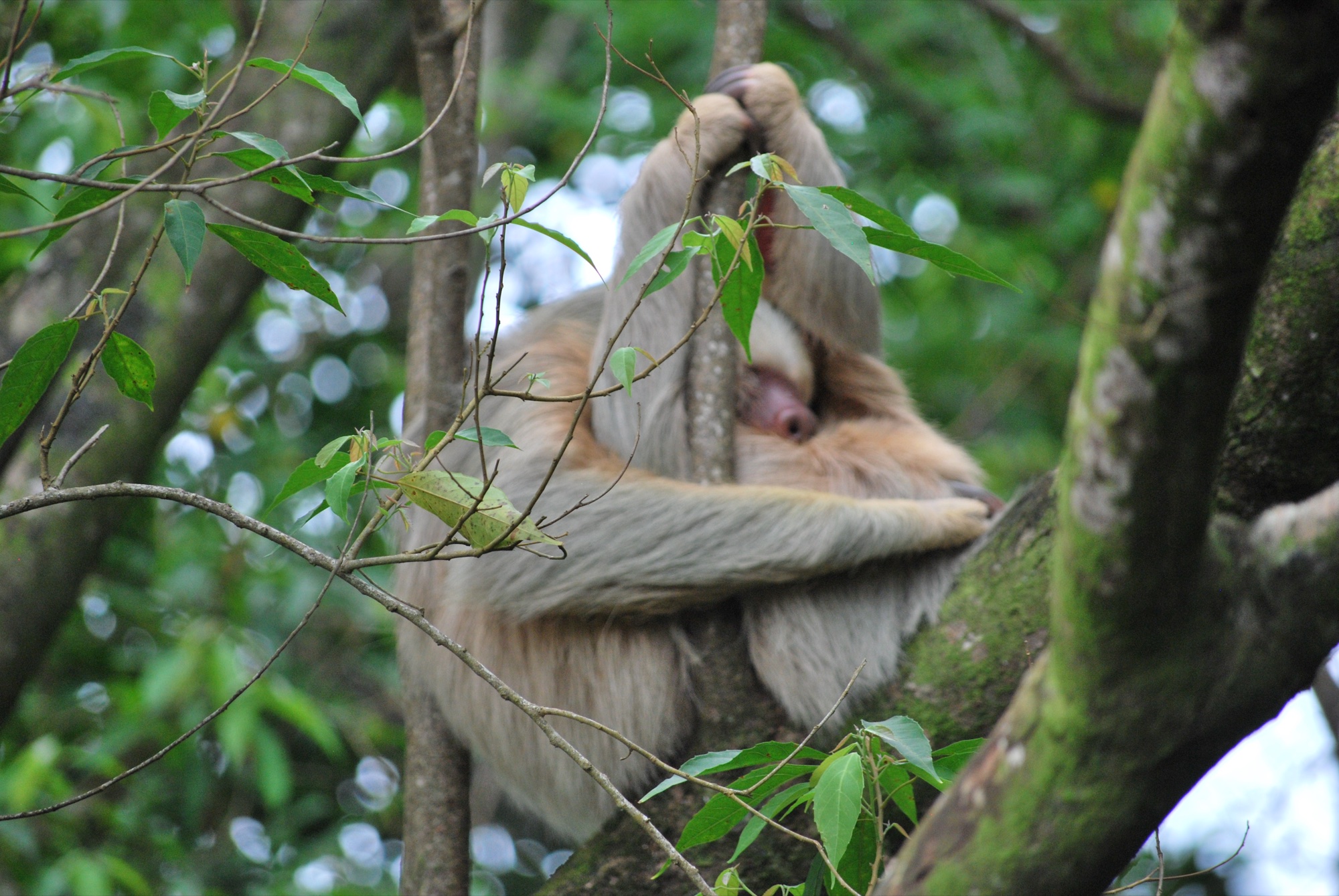
The four regions worth your time
Costa Rica is small (51,000 km²) but geographically complex. Trying to see everything in one trip ends badly. Pick two regions, spend real time in each.
1. Tortuguero (Caribbean) — reached only by boat or small plane. A network of freshwater canals through primary rainforest. Green sea turtles nest here July–October. I spent three days and saw a three-toed sloth, caimans, capuchin monkeys, toucans and a tarantula on the boardwalk. It rains every day. That’s the point.
The four regions worth your time <span class="cont">(cont.)</span>
2. Monteverde (Cloud Forest) — at 1,800 m. A different climate entirely — cool, misty, epiphyte-covered. This is quetzal country and hummingbird country. Hanging bridges let you walk at canopy level, which is where most of the life actually lives.
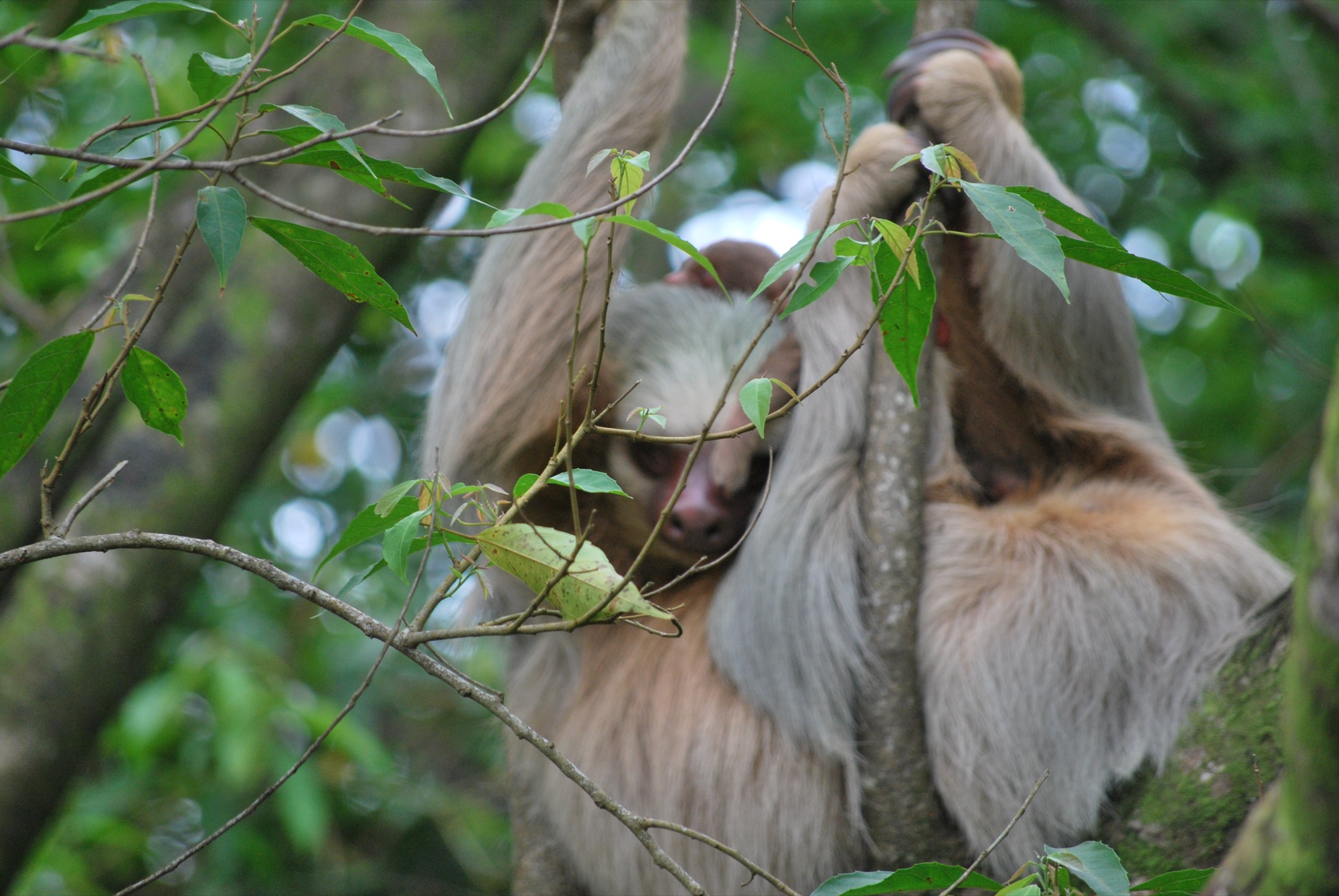
3. Arenal (Central Volcano Region) — a perfect volcanic cone with hot springs at the base. Less wildlife-dense than other regions, but good for landscape photography. La Fortuna waterfall is a 30-minute detour worth making.
The four regions worth your time <span class="cont">(cont.)</span>
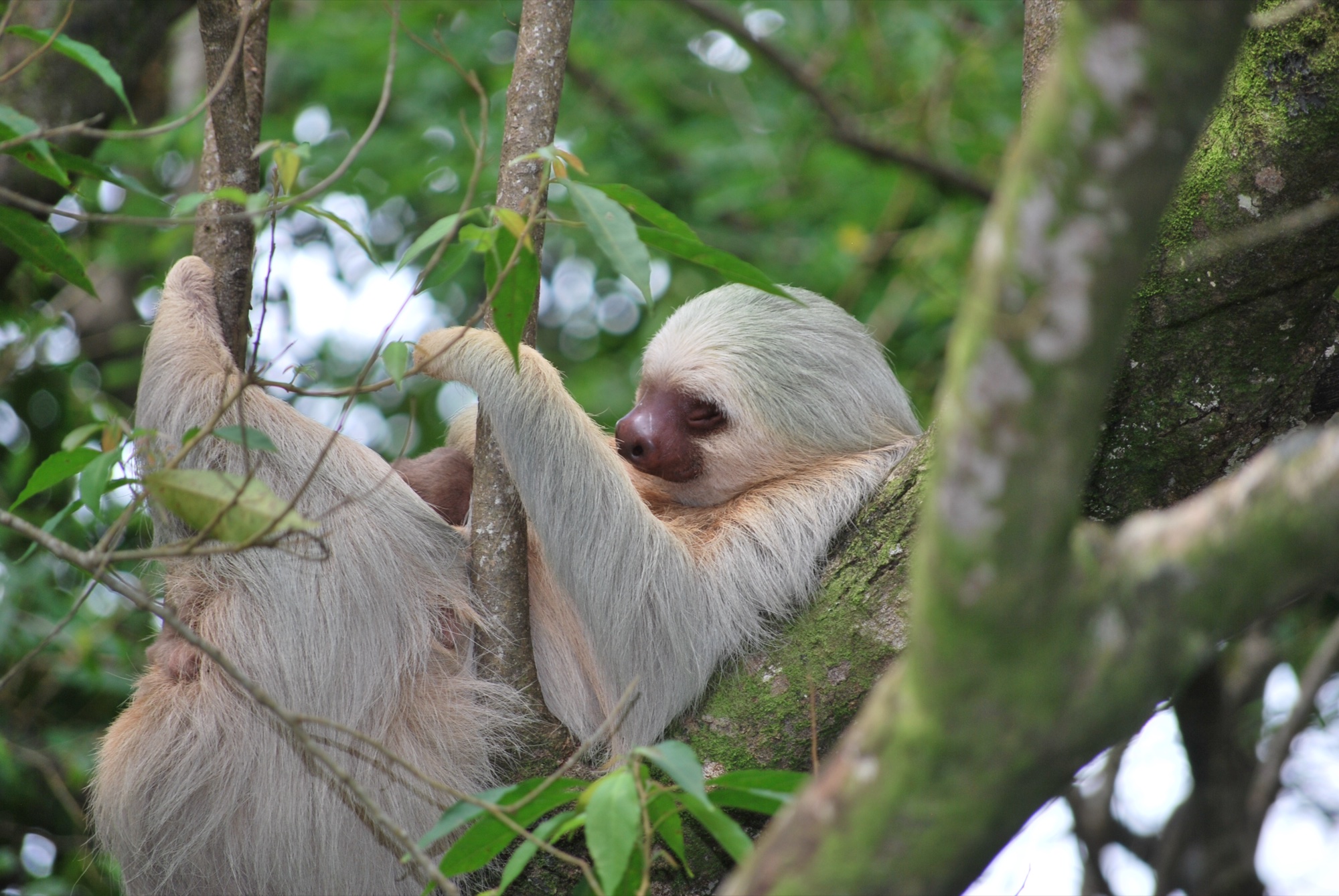
4. Manuel Antonio or Corcovado (Pacific Coast) — Manuel Antonio is easy access, high concentration of wildlife, tourist-heavy. Corcovado is harder to reach (boat or plane), wilder, and holds more jaguars per km² than anywhere else in Central America.
When to go: wet vs. dry season is a trap
Every guidebook tells you to go in dry season (December–April). Every wildlife photographer I know goes in green season (May–November). Here’s why:
- Animals are more active — more food, more movement
- Vegetation is impossibly green after rain
- Prices drop 30–50% vs. dry season
- Crowds vanish
- Rain usually falls in the afternoon — mornings are clear
The exception: if you’re photographing landscapes (Arenal, beaches), dry season gives you more reliable sunrise light. For wildlife, bet on green.
Photography gear for the rainforest
The rainforest is brutal on camera equipment. Humidity, rain, heat, and low light all at once.
- Weather-sealed body: non-negotiable
- 70–300mm zoom: you won’t get close to wildlife
- Plastic bags + silica gel: store your gear dry every night
- Fast glass (f/2.8 or f/4): canopy is dark
- Dry bag: for boat transfers in Tortuguero
- Lens cloth: humidity fogs everything, constantly
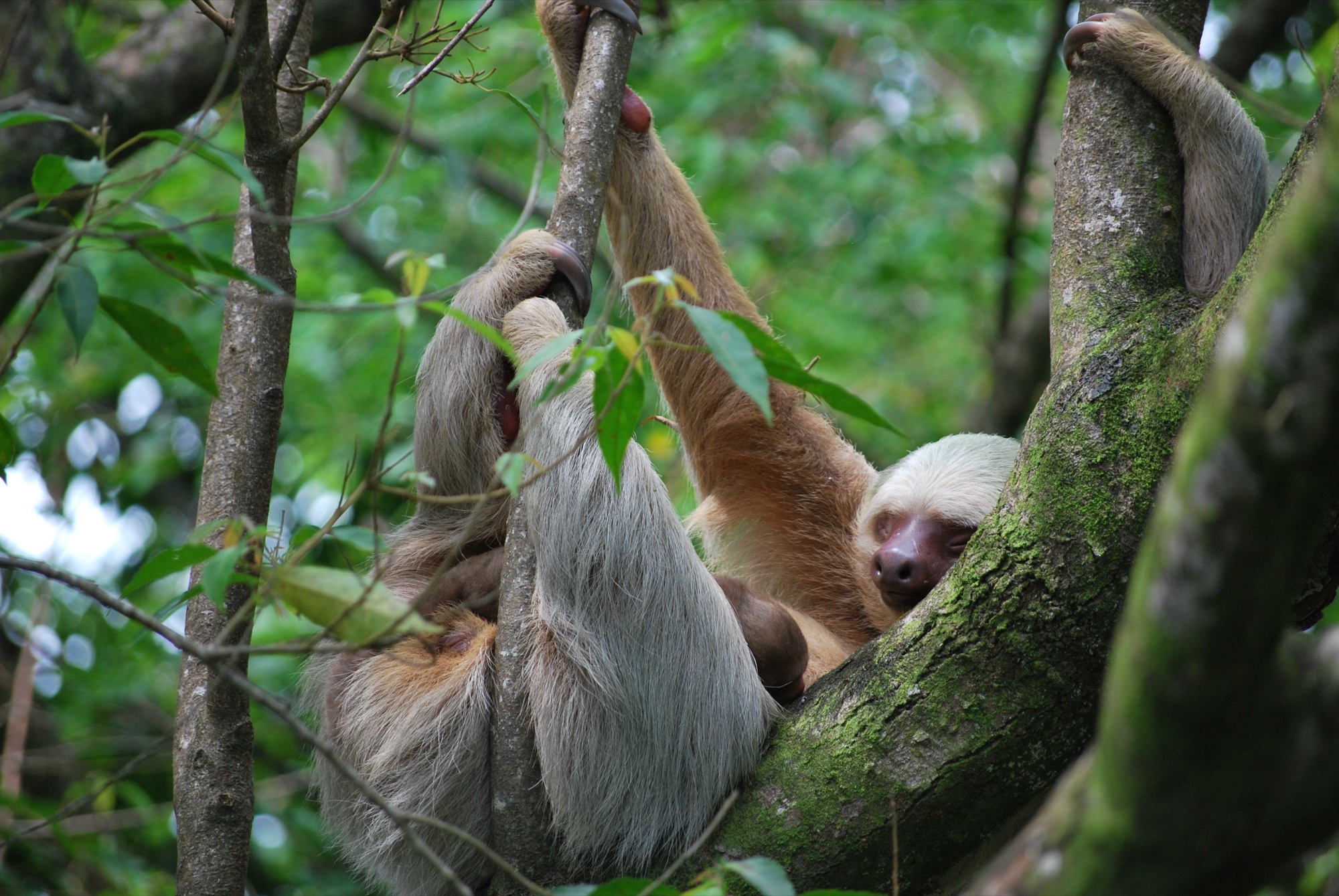
Ethics: photographing wildlife without harming it
Costa Rica is serious about wildlife ethics, and so should you be.
If the animal moved because of you, you got too close.
- No flash on nocturnal animals
- No baiting — ever
- Keep minimum 5 m from sloths, monkeys, sea turtles
- Don’t post GPS coordinates of rare species on social media
- Hire licensed local guides — their eyes see things yours won’t
Practical info
📍 Best airport: San José (SJO) or Liberia (LIR)
📅 Green season: May–November (my recommendation)
💰 Budget: 80–150 €/day including eco-lodges and guides
🚗 Transport: rent a 4×4 — roads get interesting
💉 Vaccinations: yellow fever not required but recommended; standard hepatitis A/B
📸 Must-have: telephoto zoom, rain cover, licensed guide
Book experiences in Costa Rica
The best wildlife encounters need a local guide. These are the tours worth booking in advance — spots fill fast during the green season:
- Manuel Antonio guided tours — the park’s wildlife at first light, before the crowd buses arrive
- Monteverde cloud forest — night walks to spot ocelots, kinkajous, and glass frogs
- San José day trips — Poás volcano and the Central Valley in a single day
Wildlife photography kit essentials
What I’d carry for two weeks across four ecosystems:
- Telephoto zoom (200–600mm): the non-negotiable for quetzals, toucans, and anything in the canopy — telephoto options →
- Camera rain cover: the green season earns its name — camera rain covers →
- Waterproof backpack: for boat canals in Tortuguero — waterproof packs →
- Beanbag support: for shooting from vehicles or low branches without a tripod — camera beanbags →
Tours recomendados en Costa Rica
Si quieres dejar la organización a alguien más — o complementar la ruta con tours guiados en español — estos son los de Civitatis que recomiendo personalmente. Enlaces afiliados: Bidaiatzen recibe una pequeña comisión sin coste extra para ti.
- Tour de fauna en Manuel Antonio
- Safari fluvial en Tortuguero
- Excursión al volcán Arenal
- Puentes colgantes en Monteverde
Final thoughts
Costa Rica is where I learned that patience is the most important piece of wildlife photography kit. You stand, you wait, you listen, and eventually something happens. A sloth turns its head. A quetzal flies across the frame. A troop of monkeys decides you’re interesting.
Go for two weeks, not one. Pick two regions. Hire a local guide in each. Leave your expectations at home and let the forest set the pace.
All images captured with a Nikon DSLR on a two-week trip through Tortuguero, Monteverde, Arenal and Manuel Antonio. Follow @vidaiatzen on Instagram for more wildlife and travel photography.
Final thoughts <span class="cont">(cont.)</span>
Sigue leyendo en Bidaiatzen
Fin del capítulo
Has terminado el cuaderno de viaje. Vuelve al post completo para más fotos, datos curiosos y leyendas.
Volver al post completo →